
You might have the best smoothie recipe or the perfect gut-friendly snack. But if your audience can’t follow it, doesn’t trust it, or doesn’t connect with it — they’re moving on to the next one.
Recipe writing is one of those things that looks simple, but there’s a real skill to getting it right. Especially when you’re trying to grow your brand, build trust, and create content that actually helps people.
The good news? You don’t need to be a trained chef or a copywriter to write recipes that work. But you need to be clear, consistent, and intentional — and understand how to tailor your recipe for the platform you’re using.
This blog post walks you through how to do just that. We’ll talk structure, tone, visuals, common mistakes, and how to write for Instagram, blogs, or email. There are real-life examples, too — because theory is great, but seeing it in action is even better.
Ready to make your recipes easier to follow and more useful for your audience? Here’s how to do it.
1. Understand your audience
Before you start writing, consider who you’re speaking to. Are they busy parents looking for quick meals? Fitness enthusiasts seeking high-protein options? Individuals with dietary restrictions?
Tips:
- Identify their needs: understand their cooking skills, dietary preferences, and time constraints.
- Use relatable language: avoid overly technical terms unless your audience is familiar with them.
- Address common challenges: offer solutions to problems your audience frequently encounters in the kitchen.
2. Start with a clear, descriptive title
Your recipe title should be straightforward and informative. It should convey what the dish is and highlight any unique aspects.
Examples:
- “Gluten-free banana oat pancakes”
- “Vegan lentil soup with fresh herbs”
- “Low-sugar blueberry muffins with almonds”
Tips:
- Include key ingredients: this helps with SEO and sets expectations.
- Mention dietary considerations: if the recipe is vegan, keto, or allergy-friendly, state it upfront.
- Keep it concise: aim for clarity over creativity.
3. Write an engaging introduction
The introduction sets the stage for your recipe. It’s an opportunity to connect with your audience and provide context.
Include:
- The inspiration: share why you love this recipe or how it fits into a wellness routine.
- Health benefits: you can mention nutritional or functional benefits, like fibre content or gut support. Avoid medical claims unless you’re a registered professional. If you are (like a dietitian or qualified nutritionist), you can include condition-specific details, as long as they’re evidence-based and within your scope of practice.
- Serving suggestions: offer ideas for pairings or occasions.
Example:
“After a rejuvenating yoga session, I often crave something light yet nourishing. This quinoa salad, packed with fresh vegetables and a zesty lemon dressing, is my go-to. It’s quick to prepare and keeps me energised throughout the day.”
4. List ingredients clearly
A well-organised ingredient list ensures your readers can easily gather what they need.
Tips:
- List in order of use: this helps readers follow along without confusion.
- Specify measurements: use standard units and be precise.
- Note any special preparations: if an ingredient needs to be chopped, diced, or pre-cooked, mention it here.
Example:
- 200 g cooked quinoa
- 100 g cherry tomatoes, halved
- 1 tablespoon fresh parsley, chopped
- Juice of 1 lemon
- 1 tablespoon olive oil
- Salt and pepper to taste
5. Provide step-by-step instructions
Clear, concise instructions are crucial. They guide your readers through the cooking process and ensure successful results.
Tips:
- Use numbered steps: this makes the process easy to follow.
- Be specific: instead of “cook until done,” say “simmer for 10 minutes until the sauce thickens.”
- Include sensory cues: describe textures, colours, and aromas to guide readers.
Example:
- In a large bowl, combine cooked quinoa, cherry tomatoes, and parsley.
- In a small bowl, whisk together lemon juice, olive oil, salt, and pepper.
- Pour the dressing over the quinoa mixture and toss to combine.
- Serve immediately or refrigerate for up to 2 days.
6. Add nutritional information
Providing nutritional details can be valuable, especially for wellness-focused audiences.
Tips:
- Use reliable tools: utilise a nutrition analysis software to calculate values.
- Be transparent: clearly state serving sizes and any estimations.
- Avoid making health claims: stick to factual, responsible information about ingredients or nutritional value. If you’re not a registered professional, avoid suggesting that a recipe can treat or prevent health conditions. If you are qualified, you can go deeper — just make sure it’s backed by evidence and within your professional scope.
Note: It’s important to know your audience and what your brand stands for. Based on that, decide if you need and if you want to share nutritional information — they are not a must-have.
Example:
Per serving:
- Calories: 210
- Protein: 6 g
- Carbohydrates: 28 g
- Fat: 9 g
- Fibre: 4 g
7. Incorporate SEO best practices
Optimising your recipe for search engines increases its visibility and reach.
Tips:
- Use relevant keywords: incorporate terms your audience is searching for, like “healthy quinoa salad” or “post-workout snack.”
- Optimise images: use descriptive file names and alt text for photos.
- Structure content with headings: use H2 and H3 tags to organise your post.
- Include a meta description: write a concise summary that entices clicks.
8. Enhance with visuals
High-quality images and videos can make your recipe more appealing and easier to follow.
Tips:
- Showcase the final dish: provide clear, well-lit photos of the completed recipe.
- Include process shots: visual guides of key steps help readers feel confident while cooking.
- Stay on brand: use your brand’s colour palette in backgrounds, props, or clothing (e.g., if you’re in the shot).
- Keep it real: styled food doesn’t mean fake. Make it appetising, not misleading.
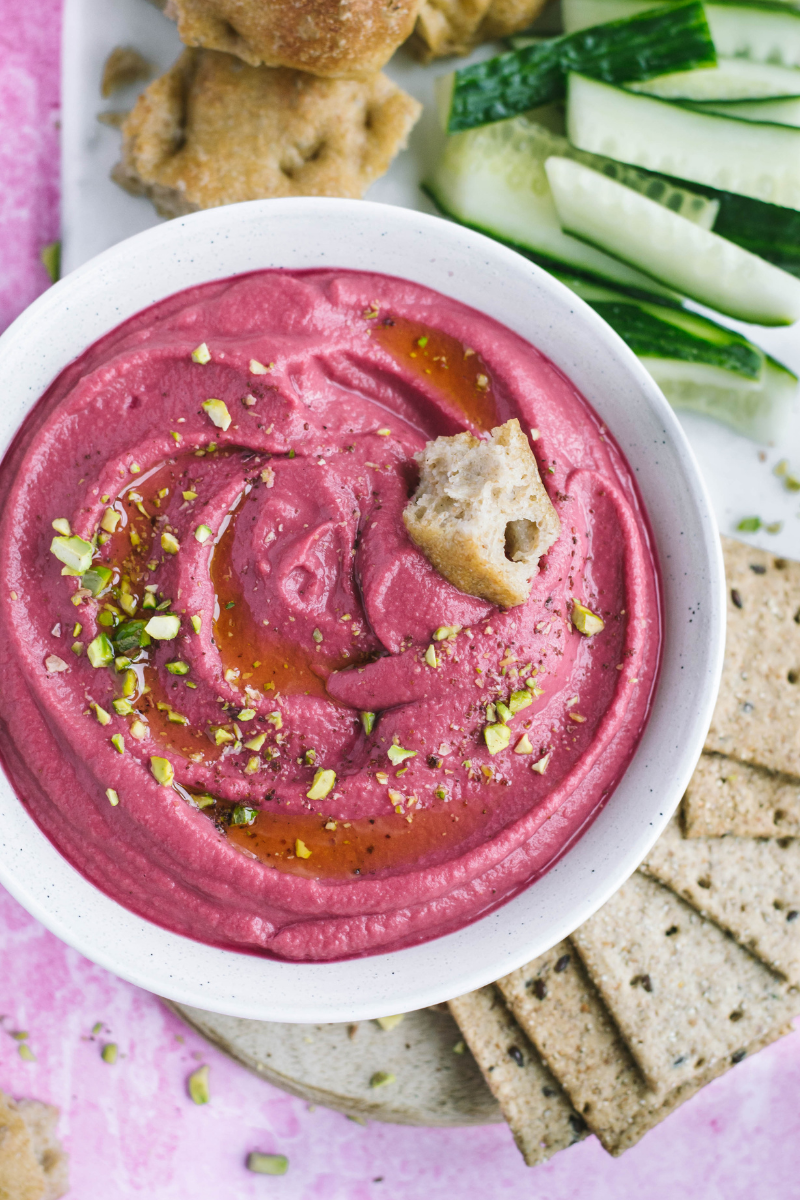

9. Real-life example: mini case study
A nutritionist’s go-to salad recipes
A nutritionist wanted to connect more with her clients through her newsletter. She began sharing short, easy salad recipes with clear health benefits, photographed on background boards in her brand’s soft, neutral tones. Within weeks, she started getting replies and people were actually trying the recipes and tagging her on Instagram.
What worked: Appetising photos, well-written recipes, practical value for her audience, and a trust relationship built thanks to visual clues, consistency, storytelling, & timing.
10. Common recipe writing mistakes to avoid
- Missing prep details: don’t assume your reader knows how to “prep leeks” or “toast seeds.” Be clear.
- No yield or servings info: always mention how many people the recipe serves, or how much it makes.
- Over-complicated instructions: keep it simple and conversational — clarity wins.
- Unrealistic timing: test your recipe before posting. Don’t list “10 minutes” if it really takes 30.
- Skipping dietary notes: add small notes like “gluten-free if using GF oats” or “contains nuts.”
11. Adapting recipes for different platforms
- Keep captions short and hook-driven.
- Use carousel posts for step-by-step breakdowns.
- Always lead with value: “Quick 5-minute snack for a rainy day” works better than “My banana bread recipe.”
Blogs
- Long-form structure: intro, ingredients, instructions, notes, nutrition, FAQ.
- Add a print button, star ratings, and keyword-rich headings.
- Great place for SEO and evergreen content.
Newsletters
- Adapt to a conversational tone.
- Focus on one idea or benefit per email.
- Use a strong subject line and preview text to increase opens: “Your new favourite Sunday soup 🍲”
Final thoughts
Writing recipes might seem simple, but doing it well takes thought, structure, and a deep understanding of your audience. If you’re a wellness professional or food brand, every recipe is an opportunity to show your values, serve your community, and position yourself as an expert.
Whether your platform is Instagram, a blog, or a newsletter, the key is to be intentional. The more thoughtful your recipe content is, the more trust you build — and trust is what drives people to come back for more, engage with your brand, and eventually become paying clients or loyal customers.
Want support creating content that connects with your audience — from clear recipe writing to strategy-led visuals and social posts that feel like you?
I work with food and wellness brands to create content that’s thoughtful, helpful, and built for your people. I am a recipe developer, food photographer, and food stylist based in Dublin, Ireland (but working remotely with clients worldwide).
 A MATTER OF NOURISHMENT