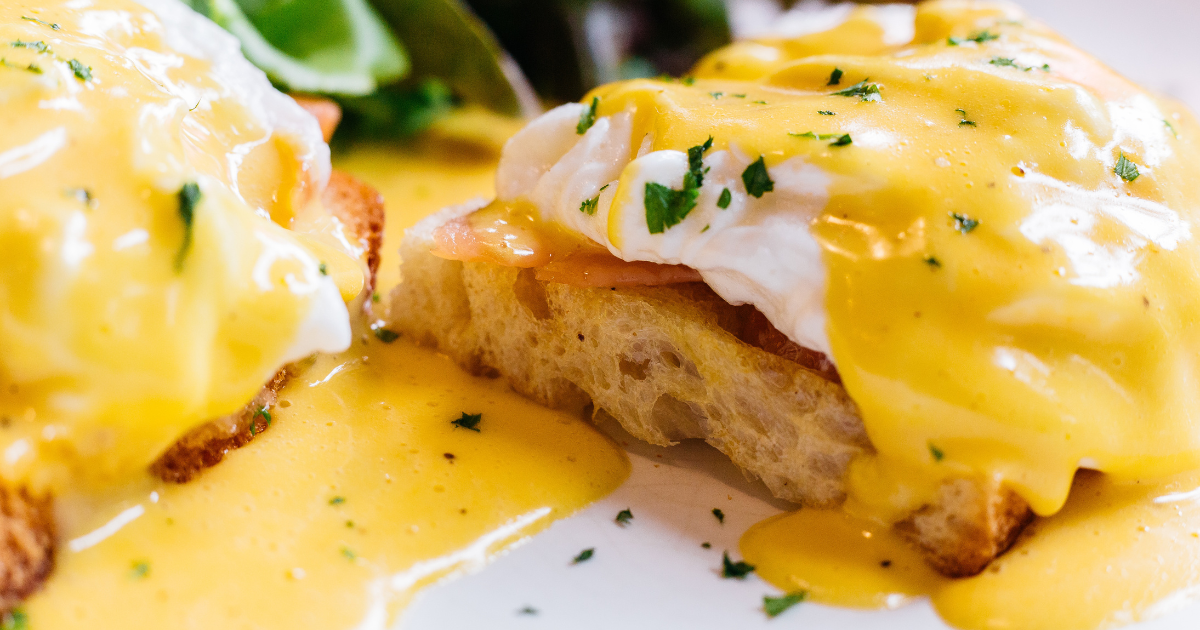
Emulsions, vital in cooking, occur when two immiscible liquids, like oil and water, blend into a uniform mixture. They require energy and emulsifiers to maintain stability. Common examples include mayonnaise and vinaigrettes. Understanding emulsions aids in controlling texture and flavor in recipes while recognizing ways to troubleshoot common issues.
Tag Archives: recipe creation
Food chemistry 101: what acidity really does in your cooking
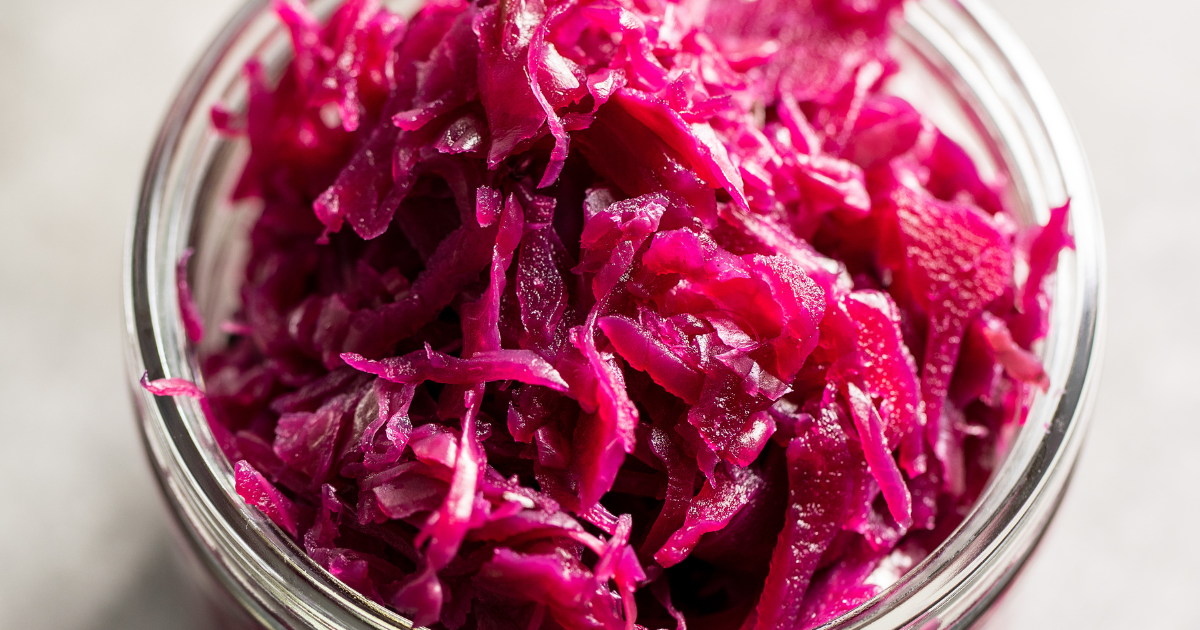
Acidity shapes taste, texture, and even colour in food. Discover the simple science behind how acidic ingredients transform your cooking every day, understand and use acidic ingredients with confidence, and see the science behind cooking in action.
Cooking at the molecular level: what actually happens when you boil, bake, or roast

What actually happens to food when you cook it? This guide explains the science behind baking, boiling, and roasting (from starch gelatinisation to protein denaturation) so you can troubleshoot recipes and style food with confidence.
Why some recipes fail: a chemist’s guide to fixing common kitchen mistakes
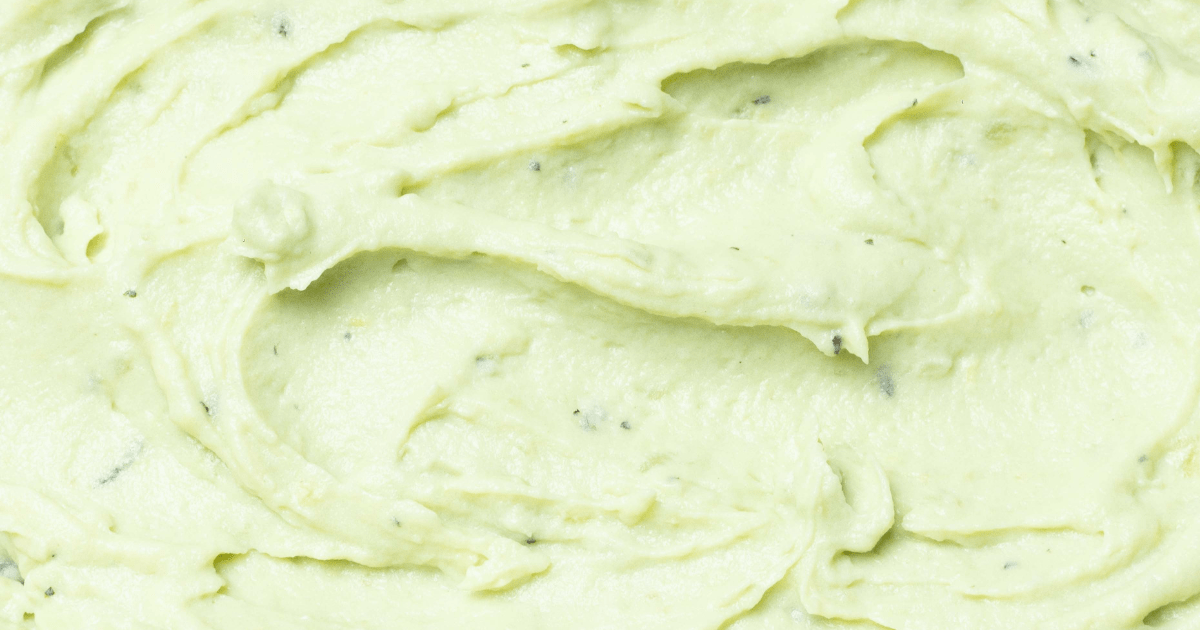
Why do recipes fail? A chemist and recipe developer explains the science behind the most common kitchen mistakes (sunken cakes, broken sauces, dense bread) and how to fix them.
How to write recipes that actually sell

A good recipe is more than ingredients. Learn how to write recipes that reflect your brand voice, engage your audience, and showcase your expertise.

