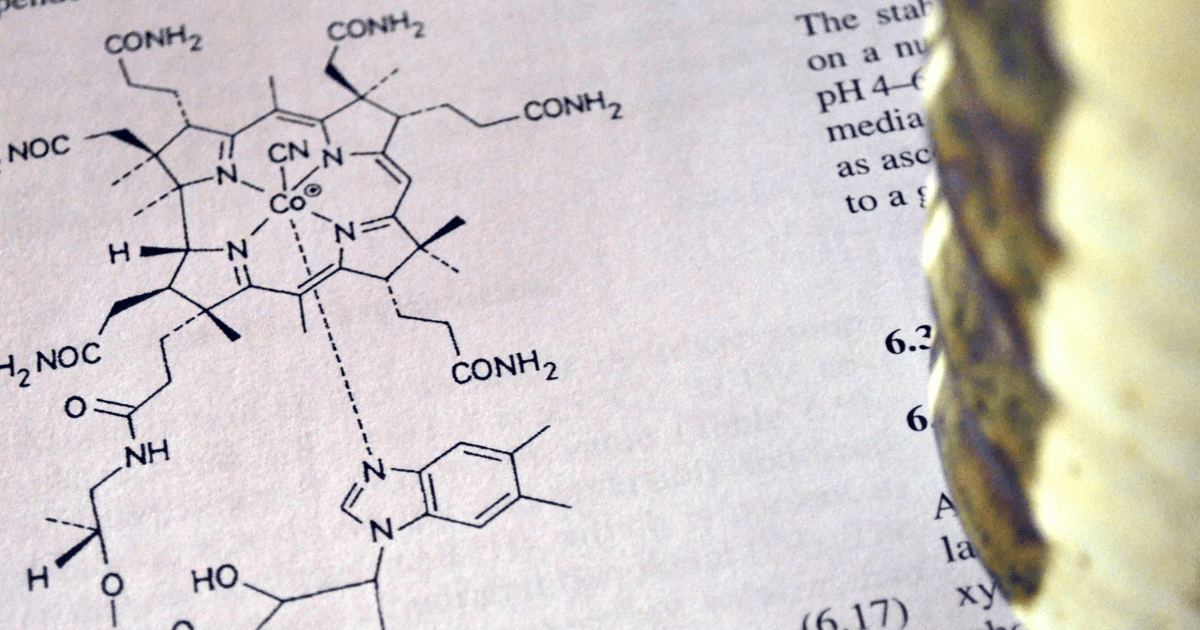
There’s an unspoken science behind every photograph of food. It’s more than capturing a dish that looks appetising; it’s understanding why certain elements work together, how light interacts with textures, and the precise moment when ingredients are at their visual peak. My background in chemistry influences my approach to food photography and styling in ways that aren’t always obvious but are always intentional.
From molecules to mood: the chemistry of food photography
When I transitioned from a background in chemistry to food photography and styling, I started noticing parallels that most people overlook. Chemistry taught me to think about interactions at a molecular level. Food photography, surprisingly, isn’t much different. The way light reflects off a glossy sauce, the texture of a perfectly baked crust, the sheen of fresh produce — all of it is chemistry in action.
I often get asked how I get the texture of a sauce to look just right on camera or how I make ingredients pop without over-editing. The answer lies in the principles of chemistry. For example, understanding emulsions — the mixture of two immiscible liquids, like oil and water — helps me style salad dressings and sauces so they don’t separate mid-shoot. Knowing the melting points of different fats allows me to catch that perfect drip on a slice of cake or the sheen on a roasted vegetable before it disappears.
Precision meets creativity in food photography
One of the main misconceptions about food photography is that it’s purely artistic. While creativity is certainly a part of it, there’s a structured, almost scientific process behind getting consistent, high-quality results. Lighting setups aren’t just about what looks good — they’re about controlling reflections, minimising glare, and enhancing natural textures. In chemistry, you learn to be meticulous: measurements matter, timing matters, the environment matters. The same is true for food photography.
My training in chemistry gives me an edge when planning shoots. I know how to anticipate changes in food textures and colours over time, especially when exposed to heat or light. I understand how different ingredients interact with one another on a chemical level, which allows me to make adjustments quickly if something isn’t coming together as planned.
Mastering light with a scientific eye
Light is a variable that I manipulate with the precision of a lab experiment. Understanding how different wavelengths of light affect the appearance of textures and colours allows me to highlight the best features of each dish. For instance, softer light brings out the velvety texture of sauces, while harsher light can emphasise the crunch of baked goods. It’s a calculated choice, one grounded in the physics of light and reflection.
For reflective surfaces like glazes or glass, I use principles of light diffusion to prevent glare and ensure even exposure. It’s not just about placing a reflector — it’s understanding how light scatters and choosing the right surface to bounce it off. This method ensures that even the most delicate details are captured with clarity.

Temperature and timing: keeping food fresh under the lens
One of the hidden challenges in food photography is keeping ingredients looking fresh during long shoots. My chemistry background gives me insight into the thermodynamics of food, allowing me to control temperature exposure. For example, I know how to keep ice cream from melting too fast by using chilled surfaces or adding stabilisers to whipped cream to prevent it from collapsing under studio lights.
Timing is everything: capturing that moment when steam rises off a freshly cooked dish or when condensation forms perfectly on a cold drink. These aren’t just lucky moments; they’re planned with scientific precision, ensuring each shot is as mouthwatering as the real thing.
Food styling hacks informed by chemistry
Food styling isn’t just about making things look pretty — it’s about maintaining visual integrity for the duration of a shoot. My chemistry background lets me apply specific techniques to extend the shelf life of styled dishes. For example:
- Stabilising whipped cream with a bit of cornstarch or gelatin to prevent separation.
- Keeping herbs fresh by spraying them with cold water mixed with a touch of glycerin to slow down wilting.
- Preventing fruit browning by understanding enzymatic reactions and using citrus spritzes effectively.
These small interventions mean less time troubleshooting on set and more time focusing on capturing the right shot.
Real client scenarios: chemistry in action
I’ve seen firsthand how these scientific techniques benefit real-world projects. A client once had trouble getting the right consistency for a yogurt parfait during a long shoot. I recognized the issue immediately: the yogurt was separating due to prolonged exposure to heat. By chilling the ingredients between shots and slightly adjusting the ratio of stabilisers, we achieved the perfect creamy look consistently, even after hours under studio lights.
Another time, a sauce kept breaking under the camera. Knowing how emulsions work, I added a touch of lecithin, re-emulsified the sauce, and it held perfectly for the duration of the shoot. These are real examples of chemistry at work.
Common myths about food photography
Many believe that food photography is purely aesthetic, but there’s a lot more going on behind the scenes. Food doesn’t just “look good” naturally for hours — it’s carefully maintained with the right knowledge. Wilting herbs, splitting sauces, and soggy textures are preventable when you understand the science of what’s happening.
Why this matters for your brand
Working with a food photographer who understands the science behind the visuals means you get more than just pretty pictures — you get consistency, reliability, and strategy. I don’t just shoot what looks good; I style and photograph with an understanding of what will remain visually appealing even after post-processing. This means fewer reshoots, less time spent troubleshooting, and a smoother experience overall.
Transform your brand with scientifically-driven food photography
Imagine food photography that doesn’t just look appealing but actually transforms the way your audience experiences your brand. When every shot is crafted with the precision of a chemist and the eye of a photographer, your dishes get noticed and remembered. If you’re ready to elevate your brand’s visuals with images that are engineered for impact, I’m here to make that happen.
Book a discovery call to explore how we can bring your brand’s story to life, one scientifically perfected image at a time.
 A MATTER OF NOURISHMENT