
A small marketing budget isn’t the problem. Making the wrong decisions with it is. Here’s how to figure out what your food or wellness brand needs right now and where your limited budget will be more useful.
Tag Archives: food photography
Why isn’t my food photography converting? The answer nobody is giving you

If your food photography isn’t converting, the problem is almost never the photos. Here’s what’s actually going wrong and what to look at before you commission another shoot.
How to choose a food photographer for your brand
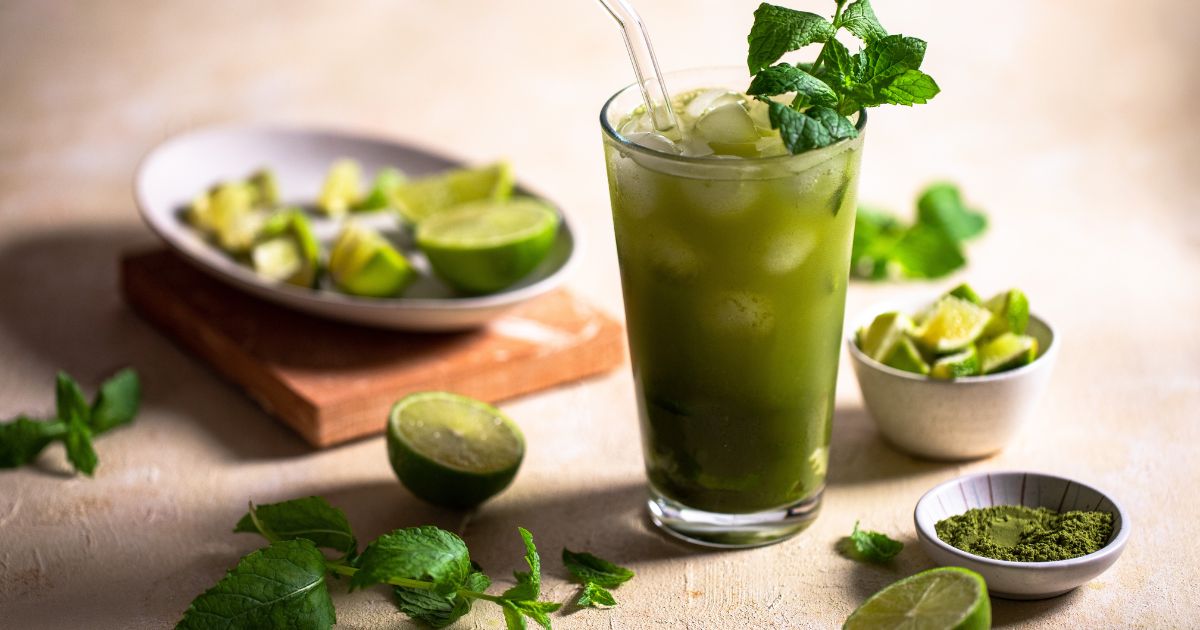
Choosing a food photographer for your brand involves more than finding someone whose work looks good. Here’s what to actually look for, what questions to ask, which red flags to take seriously, and how to make a decision you won’t regret six months later.
The science of food styling: how chemistry shapes what food looks like on camera

Food styling is usually talked about as a visual skill. It’s also applied chemistry. Here’s how six fundamental food science principles shape what food looks like on camera and why understanding them changes the way you work on set.
The Maillard reaction explained: the chemistry behind why browned food tastes so good
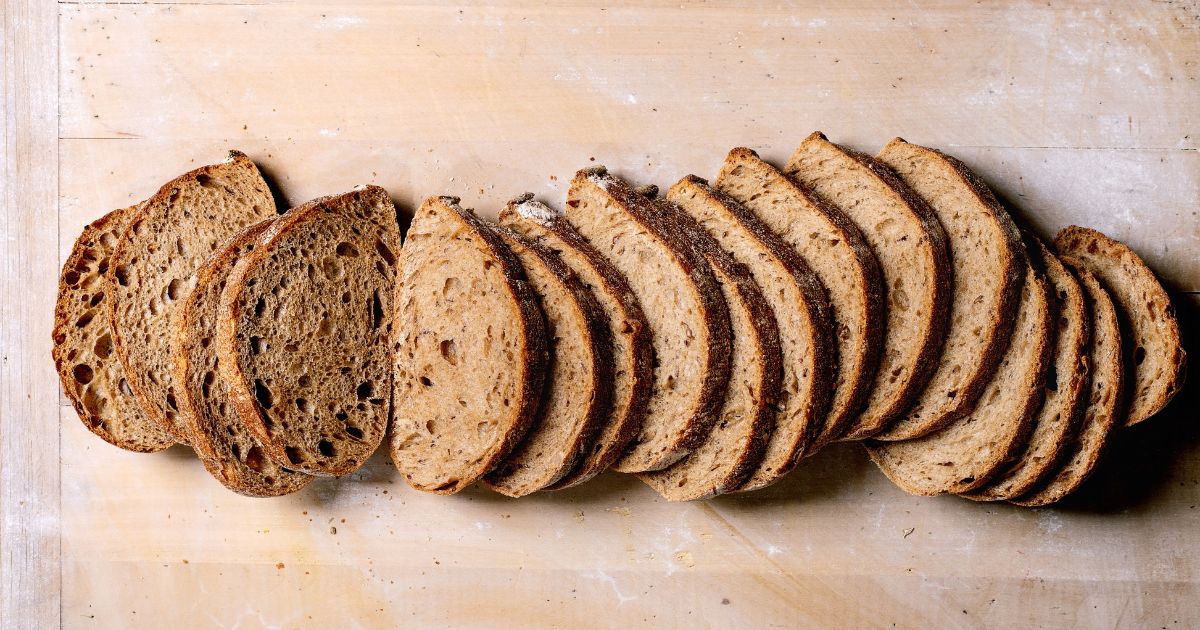
The Maillard reaction is behind the crust on bread, the sear on steak, the colour of roasted coffee — and it’s widely misunderstood. A chemist explains what’s actually happening, why it’s not just about sugar, and why it matters for how food looks as much as how it tastes.
How much does food photography cost? A straightforward guide for brands
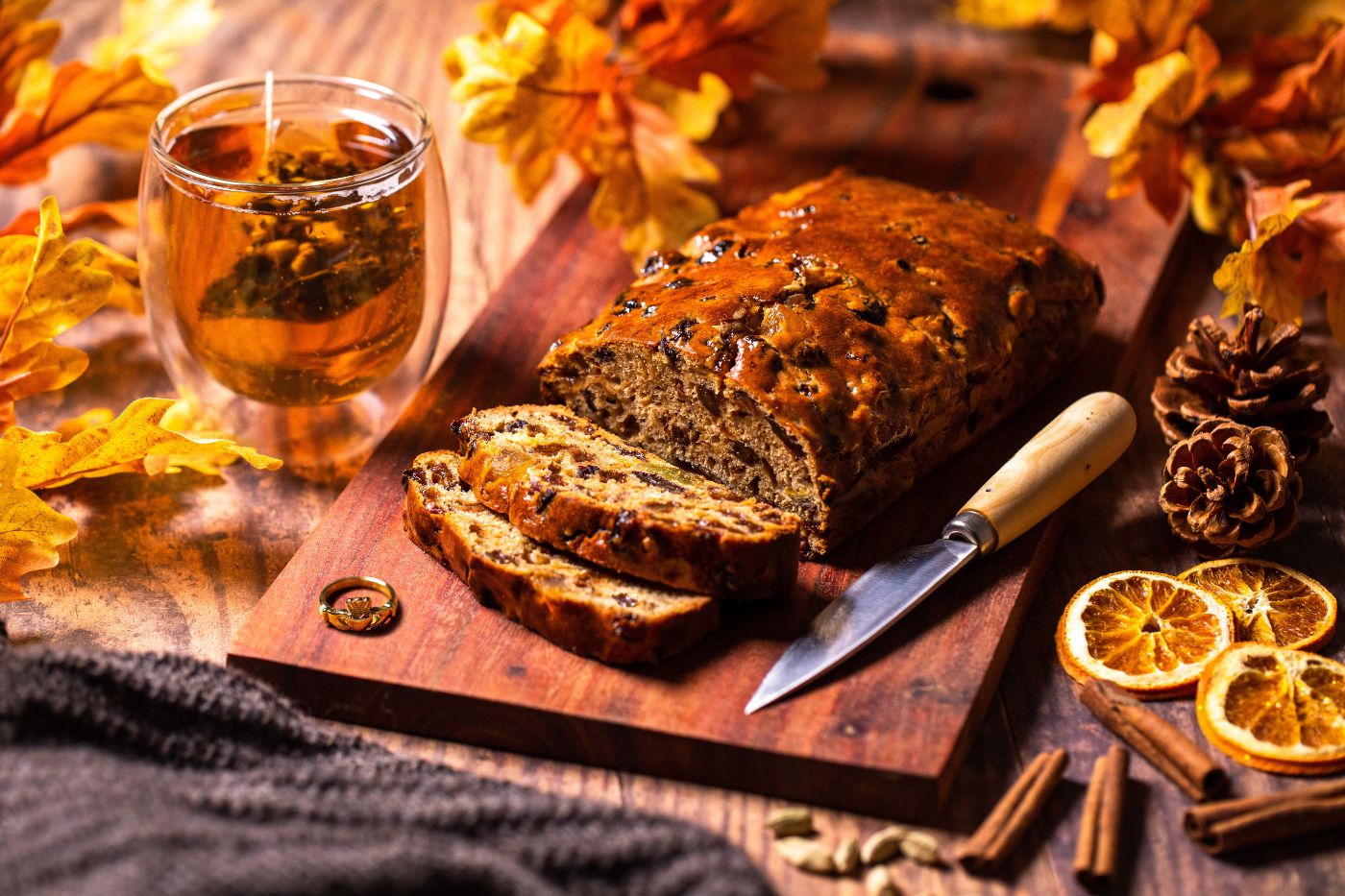
Food photography pricing is one of the least transparent topics in the industry. This guide breaks down what actually determines the cost, what to watch out for at the lower end, and how to budget realistically for brand content that does its job.
How to brief a food photographer: what to prepare before your shoot
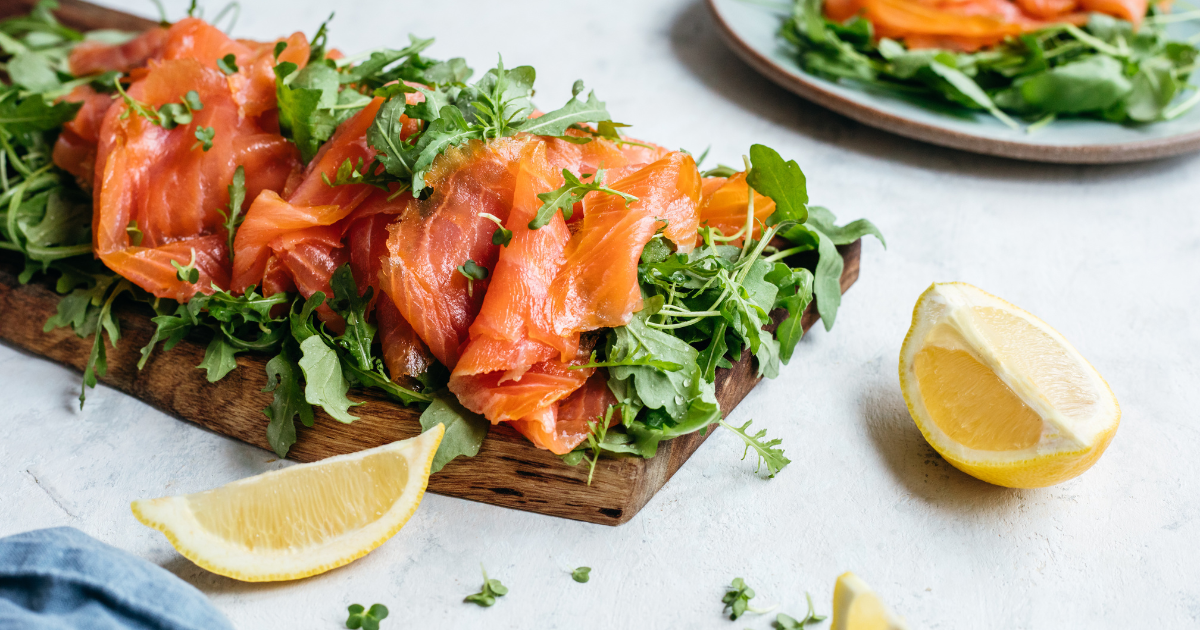
A practical guide to writing a food photography brief — what to include, what brands always forget, and why getting this right before the shoot saves time, money, and a lot of frustration.
How to know if your food brand is ready to outsource content creation

Outsourcing content creation can transform a food brand’s marketing — or waste everyone’s time. Here’s what actually determines which one it’ll be.
Food trends for 2026: what’s staying, what’s shifting, and where we’re slowing down
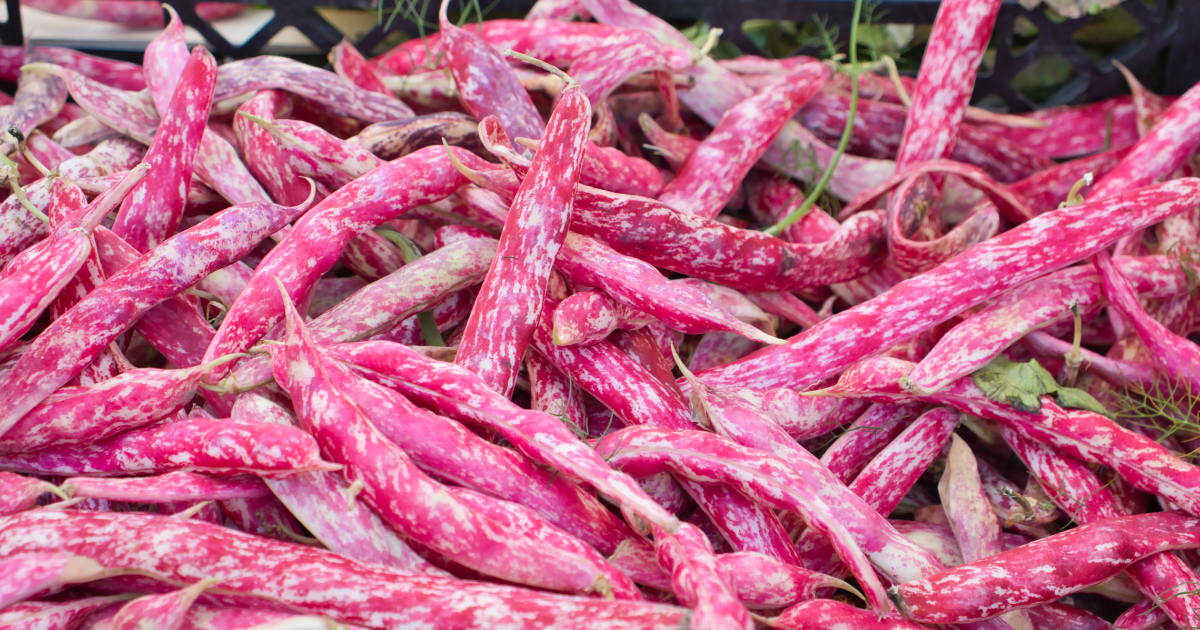
Food trends for 2026 are less about extremes and more about intention. From tea beyond matcha and the rise of beans and fibre, to sourdough, sour flavours, and a push back against food rules, this post explores what’s staying, what’s shifting, and how we’ll really be cooking and eating in the year ahead.
Low-budget, high-impact content ideas for food & wellness brands

Running a food or wellness brand involves managing multiple roles, often on a tight budget. Effective content can be created without significant expenses through strategies like repurposing existing material, leveraging user-generated content, and collaborating with micro-influencers. Professional help is essential at times to enhance consistency and efficiency in marketing efforts.

