Last year, I shared a blog post about the food trends I saw shaping 2025. Not as predictions pulled out of thin air, but as patterns I was already noticing in my work, in client conversations, in recipe testing, and in the way people were talking about food online and offline.
Looking back now, what stands out most isn’t how fast things changed, but how much they settled. Home cooking didn’t fade away, bread didn’t disappear, and curiosity didn’t turn into exhaustion. If anything, people became more selective, more intentional, and a bit more honest about what actually fits into their lives.
So this year’s food trends for 2026 don’t feel like a sharp turn. They feel like a continuation — with clearer edges and fewer extremes.
Less chasing. Less performance. More flavour, better use of ingredients, and a growing desire to enjoy food without turning it into a moral test or a productivity task.
These are the shifts I see shaping how we’ll cook, eat, and talk about food in 2026 — based on real work, real kitchens, and real constraints, not hype.
1) Food trend 2026: tea beyond matcha (and matcha finding its place again)
Matcha didn’t disappear in 2025. If anything, it became even more visible. But alongside that rise came a noticeable change in how people wanted to use it.
In client work, the requests shifted. Less interest in complicated, overloaded drinks. More focus on flavour, balance, and quality. Questions about sourcing, sustainability, and whether every new drink really needed to exist.
At the same time, other teas started stepping forward — not as replacements, but as ingredients with their own identity.
Hojicha appeared more often, served on its own, blended with cacao, paired with adaptogenic mushrooms, and baked into desserts. Chai moved beyond the classic latte into cocktails, ice creams, and sweets. Rooibos quietly gained ground, especially where caffeine-free options mattered.
In 2026, matcha isn’t going anywhere, but it’s being stripped back. Less matcha in food, fewer visual gimmicks, more respect for the ingredient itself. Higher-quality matcha, prepared more traditionally, along with simple lattes and a few well-loved combinations from the past years, like mango or strawberry matcha drinks.
Alongside that, tea as a category continues to grow, with people exploring flavour first rather than chasing the loudest trend.
2) Food trend 2026: sour notes, fermentation, and cherry tones
Throughout 2025, sour flavours kept showing up — not aggressively sharp, but layered, fermented, and balanced.
Sourdough stayed central, but it started pairing with bolder ingredients: chocolate and cherry loaves, fruit-forward breads, and fermentation used with intention rather than as a badge of honour.
And then there were cherries (and all those beautiful cherry tones).
From early autumn onwards, deep cherry and red tones were everywhere — not just in food, but across fashion, interiors, objects, and branding. Shoes, dresses, reusable bottles, notebooks, and gym wear with earthy tones dominated both feeds and shops.
Food doesn’t move in isolation anymore: colour, mood, and flavour travel together.
For 2026, sour flavours continue to grow, especially when paired with richness or sweetness: think cherries, berries, vinegars, and fermented elements used thoughtfully, adding depth rather than shock value.
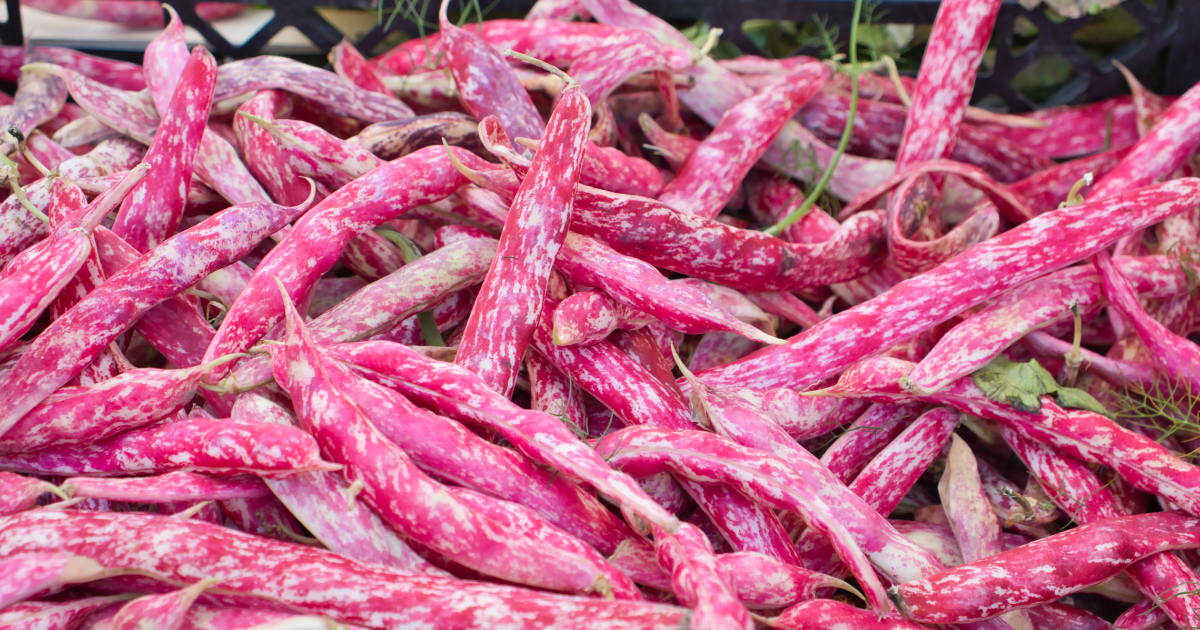
3) Food trend 2026: beans, pulses, and a wider plant-based vocabulary
Beans and pulses have been on the rise for a while, but 2026 feels like the year they truly expand beyond their usual roles.
Not just hummus or beans in salads. But a wider exploration of pulses — different varieties, textures, and cooking methods. What’s driving this isn’t just plant-based eating, but practicality: ingredients like beans, lentils and chickpeas are affordable, widely available (dry, canned, jarred), packed with nutrients, rich in fibre, and incredibly versatile. They take on flavour beautifully and fit into the way people are cooking now — adaptable, comforting, and efficient.
In client work, I’ve seen more interest in recipes that work with what people already have, rather than demanding incredibly long shopping lists or rigid instructions.
In 2026, pulses will become what I like to call a “foundation ingredient”.
4) Food trend 2026: bread, sourdough, and making the process work for you
Bread isn’t going anywhere — and neither is sourdough. What’s changing is the relationship people have with it.
There’s less pressure to get everything perfect. More acceptance that starters don’t need to be eternal, loaves don’t need to look identical, and baking should fit around life, not the other way around.
People are getting more creative with sourdough discard, using it to reduce waste and make the process more sustainable. Crackers, pancakes, quick breads, desserts. At the same time, books, blogs and small gadgets are helping people enjoy the process more — temperature control, more approachable recipes, in-depth explanations, proofing boxes, simple tools that remove stress.
In 2026, sourdough stays — but with more flexibility, curiosity, and kindness.
5) Food trend 2026: retro dishes and big personality on the plate
As design, branding, and interiors lean increasingly minimal and neutral, food is pushing back. Not by returning to childhood comfort dishes exactly, but by revisiting retro energy — especially from the 80s and 90s.
Jelly cakes. Terrines. Panna cotta. Layered desserts. Dishes with shine, colour, and structure.
These aren’t ironic throwbacks: they’re intentional, expressive, and often adapted to be plant-based or lighter, without losing their personality.
For 2026, food becomes one of the few places where colour and playfulness feel welcome again.
6) Food trend 2026: cauliflower holds its ground, cabbage steps into the spotlight
Cauliflower has been on the main stage for a long time now, and in 2026 it’s not disappearing — but it’s no longer carrying the whole vegetable conversation on its own.
What I’ve noticed over the past year is cabbage quietly moving from the sidelines to the centre as something people are genuinely rediscovering.
Red cabbage, white cabbage, Savoy — cooked simply and thoughtfully. Fermented, grilled, roasted, braised, or sliced and used in salads and sandwiches. Paired well, seasoned properly, and allowed to show just how much flavour it actually carries.
This shift makes sense on several levels. Cabbage is affordable, widely available, and incredibly versatile. It holds texture beautifully, takes on flavour without disappearing, and works across cuisines and cooking styles. In a moment where people are watching food costs more closely and trying to reduce waste, it’s an ingredient that earns its place.
In both home cooking and client work, I’ve seen more interest in vegetables that don’t need much intervention to be satisfying. Less disguising. Less overworking. More confidence in simple techniques.
For 2026, cauliflower remains part of the picture, but cabbage joins it as an equal. Less trend-driven, more grounded, and very much aligned with the wider move towards practical, flavour-forward cooking.
7) Food trend 2026: practical cooking, done well
People are cooking more at home, inviting others over more, and being far more selective about eating out.
Quick treats stay. Special meals stay. Everything in between gets questioned.
At home, this translates to food that’s practical but still satisfying: fewer ingredients and steps, less washing up, but still full of flavour.
Recipes that respect time, energy, and budgets without sacrificing pleasure will define how people cook in 2026.
Things I’m ready to see less of in 2026
1) Less protein obsession, more balance (and hello fibre)
Protein matters, but turning every single recipe or store-bought food into a “high-protein version” often adds very little beyond marketing.
I’ve seen people give up foods they genuinely love for versions they don’t even enjoy, simply because they seem “better for you” or more on trend.
What often gets overlooked are flavour, texture, nutrients (apart from protein), fibre, and the overall eating experience.
In 2026, I’d love to see less fixation on protein as the centre of everything, and more attention to balance — including fibre, variety, and long-term nourishment.
2) Less demonisation of processed food, more nuance
Processed and ultra-processed foods are a complex topic — far too complex to fit into plain black or white statements.
Time, energy, money, access, health, and family responsibilities all shape how people eat. The ability to cook everything from scratch isn’t universal, and pretending otherwise doesn’t help anyone.
I hope to see less fear-based content and fewer sweeping claims, and more empathy, context, and understanding of real-life constraints.
Key takeaways for brands (food, beverage and wellness)
If you’re planning content or launches for 2026, these trends point to a few clear opportunities:
- Simplicity will outperform spectacle: clear flavours and thoughtful combinations resonate more than excess.
- Flexibility builds trust: content that shows adaptability (not perfection) feels more relatable.
- Colour and personality are assets: expressive, warm visuals stand out in an increasingly neutral world.
- Tea, beans, fermentation, and fibre have staying power: these aren’t micro-trends, but long-term shifts.
- Nuance matters: audiences respond to brands that acknowledge complexity rather than pushing rigid rules.
Conclusion
If there’s one thing these food trends for 2026 make clear, it’s this: people are tired of extremes.
They want flavour without chaos, nourishment without guilt, and food that fits into real lives — not idealised ones. They’re cooking more, but with less pressure. Spending more intentionally. Choosing ingredients that work harder without demanding perfection.
Tea finds balance. Pulses step into everyday cooking. Bread stays, but on kinder terms. Fibre quietly returns to the conversation. And food becomes, once again, a place where colour, care, and connection are allowed to exist.
For me, this feels like a grounding year ahead. One where curiosity beats performance, and where cooking is less about proving something and more about enjoying it.
Planning for 2026?
If you’re thinking about how food trends, consumer behaviour, and content direction will impact your brand next year, I offer strategy consultations, project-based work, and long-term retainers.
I’ve spent 9 years working across food photography, recipe development, content creation, and digital marketing — helping food and wellness brands translate trends into content that feels relevant, realistic, and commercially useful. My approach blends hands-on experience with a strong marketing foundation, including a Professional Diploma in Digital Marketing from UCD and ongoing training to stay aligned with best practices.
I work remotely with brands in Ireland and worldwide, and every project starts with understanding your audience, your goals, and what will actually support growth — not just what’s trending.
You can book a discovery call using the button below to talk through your plans for 2026.
 A MATTER OF NOURISHMENT