A squeeze of lemon on grilled fish. A splash of vinegar in a sauce. A spoonful of yogurt in a marinade. Small additions like these can completely change how food tastes by brightening, balancing, and making every bite more satisfying.
Acidic ingredients are one of those quiet essentials in cooking that most of us use instinctively, without realising how much difference they make. From adding freshness and depth to helping ingredients tenderise and blend, acidity plays a crucial role in both the science and taste of food.
As someone who moved from studying chemistry to building a career in food photography, recipe development, and content creation, I’ve always loved the mix of creativity and precision that happens in the kitchen. Understanding how acidity affects food isn’t overly complicated — it’s just another way of seeing what you already do, with a little more intention.
Why acidity matters in the kitchen
Acidity brings balance, brightness, and structure to food. It cuts through richness, rounds out sweetness, and helps every element taste more alive.
Beyond flavour, acidity can also change the structure of ingredients on a molecular level. It can:
- Brighten flavours (like lemon on roasted vegetables).
- Tenderise proteins (as in citrus or yogurt marinades).
- Preserve freshness (in pickles or fermented foods).
- Adjust texture (as in curdled dairy or thickened sauces).
All these changes come from one thing: acids alter pH and influence how molecules behave. Once you start to notice that connection between chemistry and cooking, the way you season and balance food begins to shift.
Understanding the taste of balance
Acid is one of the five basic tastes (alongside sweet, salty, bitter, and umami), but it’s the one that ties everything together.
Here’s how acidity interacts with other tastes:
- With fat: it cuts through richness, making dishes feel lighter and more balanced.
- With sweetness: it adds contrast and stops desserts or dressings from feeling too sugary.
- With salt: it highlights savoury depth and often means you can use less salt overall.
- With bitterness: it softens sharper notes, making foods like greens or coffee more pleasant.
This balance is what makes a dish taste complete. Once you start paying attention to acidity, you’ll find yourself reaching for a lemon or a splash of vinegar as naturally as you’d add salt.
Everyday acidic ingredients you already use
You probably have more sources of acid in your kitchen than you realise. Each one brings something slightly different to your food:
- Vinegars – white wine, apple cider, balsamic, rice, sherry… each has its own level of sharpness and sweetness.
- Citrus fruits – lemons, limes, oranges, and grapefruit (or even their “fancier” brothers yuzu and bergamot) brighten food instantly.
- Tomatoes – naturally acidic and versatile, they add depth to sauces and soups.
- Yogurt and buttermilk – gentle acids that tenderise while adding creaminess.
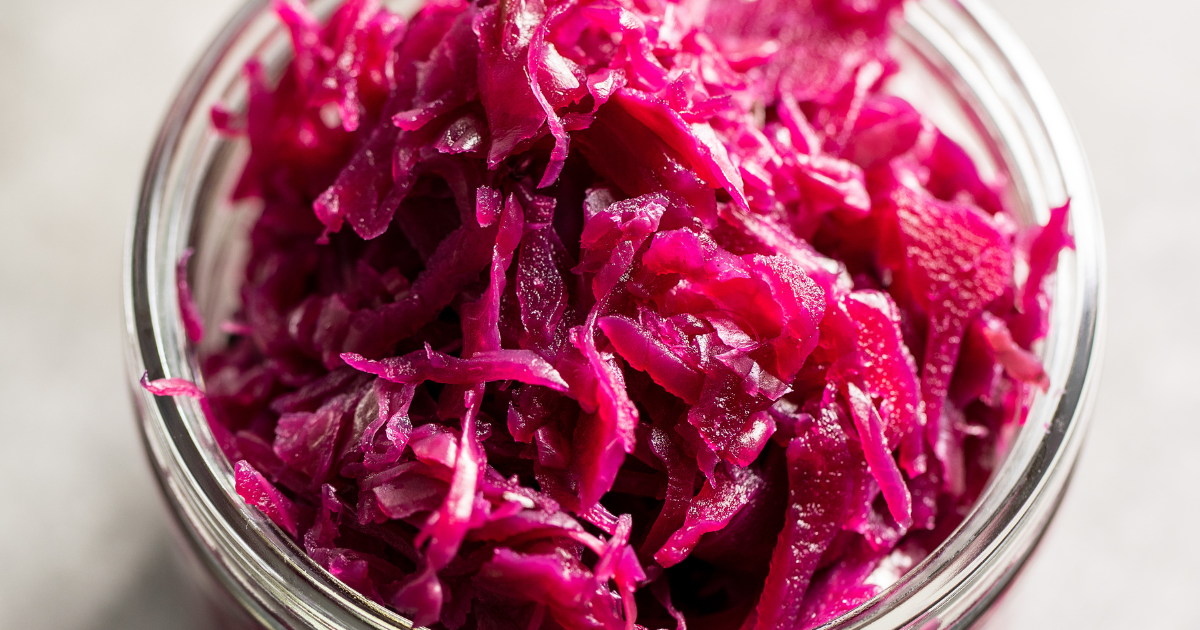
- Fermented foods – kimchi, sauerkraut, kefir, kombucha, and pickles bring tang and complexity.
- Wines and beers – used in cooking to balance richness and add subtle acidity.
Lemon juice gives a quick, clean acidity. Balsamic vinegar adds mellow depth. Tomato brings a rounded, savoury tang. Once you recognise the difference, you’ll instinctively know which to use to balance flavour in different dishes.
How acids affect texture (and why timing matters)
Acids don’t just change taste — they also change structure.
1. Tenderising meat and fish
Acids break down proteins, which is why they’re so effective in marinades. Yogurt or citrus juices unwind protein chains, allowing flavours to soak in and softening the texture. But too much acid for too long can do the opposite: it over-denatures the proteins, breaking down their structure so completely that the texture turns mushy and mealy rather than tender. For most cuts, 30 minutes to a few hours is enough.
2. Vegetables and pulses
Acid can also affect the texture of vegetables and legumes. When acidic ingredients like vinegar or tomatoes are added early in cooking, they can strengthen the pectin in cell walls, which slows down softening. This happens because a lower pH increases the cross-links in pectin — the structural carbohydrate that helps plants keep their shape. Stronger pectin means firmer vegetables, even after long cooking.
That’s why tomato-based lentil soups or bean stews often take a little longer to cook. A good rule of thumb is to cook the vegetables or pulses first, then add acid near the end for brightness and balance.
3. Dairy and eggs
Acids cause milk proteins to coagulate, which is how we get yogurt, paneer, and certain types of cheese. The drop in pH neutralises the charge on casein micelles (the tiny structures that keep milk smooth), allowing them to clump together and form curds. When acid is added to cream, the same process happens on a smaller scale: a slight thickening that gives sauces or desserts a soft, velvety texture.
In eggs, acidity helps stabilise foams. A few drops of vinegar or lemon juice in egg whites lower the pH, which strengthens the protein network and prevents over-coagulation. The result is a more stable, glossy foam — ideal for meringues and soufflés that hold their shape.
Seeing acidity in action: colour changes you can try at home
If you’ve ever wondered how to see acidity at work, all you need is a few everyday ingredients. Acids don’t just change how food tastes — they also change how it looks.
You might have noticed this in your own kitchen: red cabbage turning pink, green vegetables losing their bright colour when cooked too long, or beetroot keeping its deep red hue even after roasting. Most of these colour changes happen because pigments like anthocyanins in cabbage or chlorophyll in greens react to changes in pH. Beetroot is a slightly different story — its colour comes from betalains, a different family of pigments that are relatively heat-stable and don’t shift with pH the way anthocyanins do.
In acidic conditions, red cabbage turns pink or red; in more alkaline conditions, it shifts towards blue-green. It’s the same reason lemon juice keeps apples from browning or why spinach dulls if cooked with vinegar or tomatoes.
You can easily see this process yourself with a simple experiment at home — a fun one for both children and adults. Chop some red cabbage, cover it with boiling water, and let it steep for about ten minutes. Once cooled, pour the liquid into a few small glasses and add a few drops of different ingredients: lemon juice, vinegar, baking soda, or even soapy water. Each one will change the colour, from red to purple to green, depending on its acidity or alkalinity.
It’s a simple way to make the invisible chemistry of cooking visible — proof that food science is happening right in your kitchen every day.
Building flavour with acidity
Think of acid as seasoning’s quiet partner, the one who’s always there for you when you need a helping hand in the kitchen. It sharpens flavour, balances richness, and makes a dish memorable.
1. Add brightness at the end
A squeeze of lemon, a drizzle of vinegar, or a spoonful of pickle brine added right before serving lifts flavours instantly. Try adding a squeeze of lemon and some lemon zest over roasted vegetables, or add a spoonful of sauerkraut on top of your soup right before serving.
2. Balance rich dishes
Acid cuts through heavy or fatty foods. Add a little vinegar to a slow-cooked stew, or finish creamy pasta with a squeeze of lemon — you’ll notice the difference.
3. Add complexity
Use layered acids for depth. Combine tomatoes and wine, or mix citrus with a touch of yogurt in a marinade. Aged vinegars and fermented ingredients bring tang and subtle sweetness.
4. Enhance flavours
Acid enhances flavour — things like a few pickled onions on tacos, a splash of balsamic vinegar on your frittata, a spoonful of pickled mango served with a curry instantly wake up the whole dish.
How to taste and adjust acidity
Learning to balance acidity is mostly about tasting your food while paying attention to what you are doing.
- If food tastes heavy or dull, add a few drops of lemon or vinegar.
- If it feels too sharp, soften it with sweetness (like honey or roasted vegetables) or fat (olive oil, cream, butter).
- If it’s too salty, a touch of acid can help balance the taste again.
Cooking with acidic ingredients is like seasoning with salt — a skill that grows with awareness.
Acidity in different cuisines
Every cuisine uses acid to shape flavour in its own way:
- Italian: tomatoes, wine, and balsamic vinegar bring brightness to sauces and salads.
- Indian: yoghurt, tamarind, and citrus balance rich spices and ghee.
- Middle Eastern: lemon and sumac add sharpness to grilled meats and grains.
- Japanese: rice vinegar and pickled ginger refresh and reset the palate.
- Mexican: lime enhances everything from avocado to grilled meats.
Once you start noticing how acidity is used around the world, you can borrow ideas and adapt them to your own cooking.
When there’s too much acid
Acid can transform a dish, but too much can overwhelm it. Here’s how to bring things back into balance:
- Add a touch of sweetness — sugar, honey, or caramelised vegetables.
- Stir in some fat — butter, cream, coconut milk, or olive oil help round out flavours.
- Serve with starch — rice, bread, or potatoes absorb sharpness naturally.
A well-balanced dish should taste lively and complete, never harsh or sour.
Thinking like a food scientist
Understanding acidity is a simple way to cook smarter. Acidic ingredients donate hydrogen ions that lower pH, changing how proteins, fats, and carbohydrates behave. That’s why lemon prevents apples from browning, why vinegar tenderises meat, and why a touch of acid in a dressing can help the other ingredients work together — particularly when emulsifiers like egg yolk or mustard are already doing the heavy lifting.
You don’t need to remember the chemistry to use it: just notice how acidity influences both structure and flavour, and use that knowledge to adjust with purpose.
Everyday acidic ingredients and when to use them
| Acidic ingredient | Best used for | Taste profile |
| Lemon/Lime | Finishing dishes, marinades, dressings | Bright, clean, sharp |
| Vinegar | Dressings, sauces, glazes, pickles | Ranges from mild to strong |
| Tomatoes | Soups, sauces, stews | Savoury, deep |
| Yogurt/Buttermilk | Marinades, baking | Mild, creamy tang |
| Wine | Braises, sauces | Complex acidity, aromatic |
| Fermented foods | Garnishes, sides | Tangy, layered, savoury |
Once you start understanding their individual strengths, choosing the right ingredient becomes second nature.
Cooking with awareness
At the end of the day, learning to balance acidity isn’t about following strict rules; it’s about noticing what happens in the kitchen and how flavours, textures, and colours change. Taste as you go. Observe how a small squeeze of lemon or a splash of vinegar transforms the flavour. Try the same recipe with a splash of balsamic vinegar and without it. Over time, you’ll develop a feel for when a dish needs that extra lift.
Acidity is one of the smallest adjustments with the biggest payoff. It’s what turns good food into something that lingers in memory — a squeeze, a splash, a small chemical shift that makes everything come alive.
Want to learn more?
Curious about how science shapes your everyday cooking? Visit the Food and Food Science section of this blog for more insights — from what really happens when you bake or roast to the chemistry behind successful recipes and epic kitchen flops.
If you’re a food or wellness brand looking to bring this mix of creativity and science into your content, I can help. My background in chemistry and nutrition, combined with 9 years of professional experience, means I understand food at a technical level— and know how to translate that into content that works visually and commercially.
Whether you need help with a specific project or want long-term support, I work remotely with clients in Ireland and worldwide. Every collaboration starts with clarity: your product, your audience, and how the content will be used.
You can get in touch below to book a discovery call and discuss your project.
 A MATTER OF NOURISHMENT