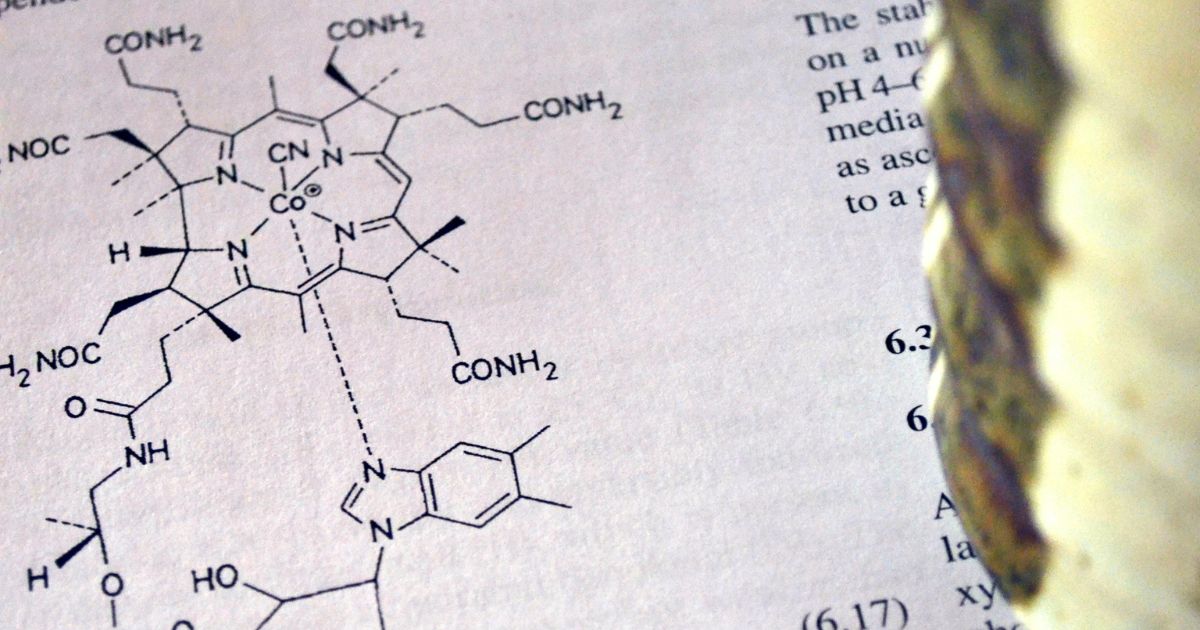
When people find out I have an MSc in chemistry and spent years working in research laboratories before moving into food photography and creative work, the reaction is usually one of two things. Either they find it genuinely interesting (a different kind of background for this kind of work), or they assume it’s a marketing story — a nice detail for the bio that makes me sound unique but doesn’t really change anything about the photos.
I understand why. “Background in science” can mean a lot of things, including simply being interested in science. What it means in my case is a BSc and an MSc from the University of Bologna (with several publications in peer-reviewed scientific journals along the way, before I had even finished my MSc), and years of applied research across laboratories in Italy, Spain, and Ireland, which eventually took me to the point of almost completing a PhD before I chose a different path.
That’s a specific kind of training that builds a specific kind of thinking — and that thinking shows up in my work every single day, whether a client is aware of it or not.
What thinking like a chemist actually means on set
Science trains you to approach problems with a combination of curiosity and methodology. You ask what’s happening and why before you decide what to do about it. You don’t assume — you look for the cause, you consider the variables, and you work from evidence rather than instinct alone.
That approach transfers directly into food photography and styling in ways that aren’t always obvious from the outside. Before I think about a backdrop, a composition, or a colour palette, I need to understand the brand, the product or service, the audience, and the goals. Not as a checklist I need to get done before the end of the day, but as a foundation for every creative decision that follows. My science background is a significant part of why I work that way. In a lab, you don’t start an experiment without understanding what you’re trying to find out and why. On a shoot, I don’t start without understanding what the images need to do and for whom.
Most food photography projects start with a different assumption: that a good food photo is one that’s in focus, looks appealing, and features food that looks good for the general public (as in “it’s common knowledge this should look this way to look good, so if the photo does that, it’s good to go”). Those things matter, but they’re the starting point, not what will help a brand stand out. A photo that checks those boxes and nothing else is a photo that could belong to any brand. What makes content actually work for a specific brand is everything that goes into it before the camera is involved — and that’s where the scientific method, applied to creative work, makes a real difference.
The chemistry that shows up in the work
Food science is present on every shoot, in practical ways. Understanding why a sauce separates and what actually fixes it. Knowing which produce will start to discolour within the first ten minutes of being cut and planning the shoot around that. Understanding how fat composition affects whether a product holds under different temperature conditions. Knowing when moisture on a surface is helping the image and when it’s working against it — and understanding why, not just from experience but from understanding what’s happening at a physical and chemical level.
The Maillard reaction, emulsification, enzymatic browning, the behaviour of different fats under heat, how moisture affects browning and texture: these aren’t things I look up when they become a problem on set. They’re things I factor into the planning before a problem has a chance to occur. The science of food styling post covers six of these principles in detail if you want to understand more about what that looks like in practice.
A more specific example: a few years ago, I was styling and photographing a recipe that featured red cabbage. Red cabbage contains pigments called anthocyanins that are highly sensitive to pH — in acidic conditions they stay a vivid purple, but in alkaline conditions they shift toward blue. The recipe as written was pushing the cabbage toward blue, which doesn’t look great in photos and, more importantly, isn’t what most people expect to see on their plate. I identified the cause, found a solution to adjust the pH, proposed a change to the client, and the recipe ended up being updated. This option was better for the photos and for anyone cooking it at home, plus it required no confusing footnote about why their cabbage had turned an unexpected colour.
I tell this story not because it has some sort of “wow effect” (it doesn’t, it’s just a normal problem with a straightforward solution), but because it illustrates something I’ve had to make peace with: the moments where the science background makes a direct difference tend to feel routine to me, which means I’m often the last person to recognise them as unusual. I’ve heard enough times that “nobody needs chemistry to take food photos” or “nobody needs chemistry to cook” that I’ve internalised the doubt. But the red cabbage story is a good reminder that some problems have quick and effective solutions only if you understand why they’re happening in the first place.
How it shapes recipe development
The chemistry background changes recipe development most visibly. When I was asked by a brand to develop original recipes for a product launch (dishes that would make their product feel relevant and accessible in their customers’ everyday lives), I didn’t start from my cooking experience alone. I mapped the flavour compounds in the key ingredients, identified ingredients with complementary profiles, and built the recipes from there, while also accounting for the brand’s identity, their audience, current trends, and how each dish would photograph.
It’s not a standard approach. It produced recipes the client described as combinations they would have never thought about on their own and that worked scientifically, stylistically, and commercially at the same time. That’s what happens when chemistry, recipe development, food photography and brand thinking all come from the same person, rather than being spread across a team of specialists who may or may not be talking to each other (or respecting each other’s contributions).
The wider background and why all of it matters
The chemistry degrees and the lab years are the foundation. But I also have a certification as a nutritional advisor, a diploma in massage therapy, a professional diploma in digital marketing from UCD, two social media certifications, and nearly a decade of hands-on work with food, drink, and wellness brands. I mention all of these because the combination is what makes the difference: each one adds a layer of knowledge that shows up in the work.
The nutrition background means I understand ingredients and how they interact beyond what they look like. The marketing background means I ask targeted marketing questions even when a client comes to me only for photography, because a photo is always part of something bigger than itself, and understanding that changes the questions I ask before I even pick up a camera. The social media knowledge means I think about where the images will be used and who will see them, not just whether they look good.
This combination is difficult to find in one person. And I’m not just talking about the list of services (lots of people offer multiple services), but as someone who has truly done a deep dive into each of those areas through study, research, and years of real work. That’s what I mean when I say the background shapes everything: it’s not a marketing tactic or a simple brand story. It’s the actual reason the work looks and performs the way it does.
What this means for the brands I work with
The clients who notice this most clearly are usually the ones who have worked with other photographers or agencies before and found something was always slightly missing: the images looked fine but didn’t quite feel like theirs, or the content performed below expectations, or the process felt disconnected from the broader marketing picture.
As a food photographer based in Dublin and working internationally, what I offer isn’t just photography or styling or recipe development or social media strategy — it’s all of those things informed by the same underlying thinking, built on a foundation that comes from an unusual combination of scientific training, creative experience, and marketing knowledge.
I work with food, drink, and wellness brands across Ireland and internationally on food photography and styling, brand and lifestyle photography, short-form video including stop-motion and UGC-style content, recipe development, social media strategy and management, copywriting and digital marketing consultations. Most of my clients work with me across more than one of those areas, and most of them stay for years.
Over the years, I’ve worked with everything from small Irish family businesses and independent founders to globally recognised food brands — and the approach is the same regardless of scale: understand the brand properly before making a single creative decision.
If you want the full picture of what working together looks like, that’s here.
If this resonates
The brands I work best with have built something genuinely good and feel like their content doesn’t yet reflect that. They’re ready to work with someone who will think about their brand as carefully as they do and who brings a perspective that goes well beyond knowing how to take a good photo.
If that’s where you are, get in touch today using the button below. I am a food photographer based in Dublin, working with brands across Ireland, the UK and worldwide.

