Cost-effective marketing strategies for food and wellness brands: what actually works

When you’re running a small food business or wellness brand, marketing often feels like a necessary headache. You know you need it — but between the noise of trends, the pressure to constantly create content, and limited budgets, it’s hard to know what’s worth your time (and money).

If you’ve ever wondered how to market your offers without spending a fortune or sounding like everyone else, this guide is for you.

This isn’t about overnight growth or “just post more.” These are cost-effective marketing strategies designed to support sustainable growth and build real trust with your audience — especially if you work in the food, drink, and hospitality industries or offer wellness-focused services.


1. Use your expertise to create evergreen content

Instead of chasing trends every week, focus on creating content that will still be helpful six months (or six years) from now. These are the blog posts, how-to guides, and social media captions that answer questions your audience is already asking — like:

  • “Why does my cake sink in the middle?”
  • “How can I add more variety to my diet?”
  • “What are the best low-cost ways to eat more plant-based meals?”

When you write blog posts around these search terms (think: “why recipes fail” or “what to expect from your first acupuncture session”), you’re creating long-term assets that work for you 24/7. It costs time upfront, but it’s one of the most sustainable marketing tools out there.

Example: a yoga teacher publishes a detailed guide on “How to choose a yoga class that actually works for you”, it gets picked up by SEO and slowly becomes their top driver of traffic — all from a post they wrote once, not something they need to constantly update.

2. Repurpose what you already have

You don’t need to constantly be creating from scratch. Often, the most efficient strategy is looking at what you’ve already shared and finding new ways to use it.

For example:

  • Turn a blog post into a newsletter tip
  • Break a client FAQ into 3–4 Instagram posts
  • Re-share a behind-the-scenes photo with a new caption from your current perspective

This saves time, keeps your message consistent, and helps your audience actually absorb what you’re trying to say (they’re not seeing everything the first time, anyway).

3. Invest in photography with purpose — then use it strategically

Strong visuals aren’t about aesthetics. They build trust, create recognition, and help potential clients understand what it would feel like to work with you or buy your product. But to make photos cost-effective, you need to get strategic about how you’ll use them.

This means:

  • Planning photos with specific marketing uses in mind (web banners, product listings, ads, social)
  • Shooting reusable visuals — think neutral backdrops, seasonal flexibility, multiple crops
  • Licensing images properly so you can keep using them

If you’re working with a photographer, it helps to bring a marketing mindset to the table. What visuals will you actually need in three months? Six? What formats are best for your email header, Pinterest, or lead magnet?

Example: a nutrition coach books a seasonal shoot with a food photographer and asks for a mix of recipe imagery, flatlays of ingredients, and a few branded lifestyle shots. They use these across blog posts, their website, an e-book, and Instagram — and don’t need new images for months.

4. Focus on one platform and do it well

You don’t need to be on every channel. What you do need is consistency and clarity — and those are hard to maintain if you’re spread across five platforms. Pick the one that makes sense based on your audience and capacity.

For example:

  • If you enjoy writing and SEO matters to your business, start with blogging and Pinterest.
  • If you’re a visual brand (like food or wellness products), Instagram or email might be stronger.
  • If most of your clients come through referrals, focus on your newsletter and direct outreach.

Once you’ve built a rhythm on one platform, you can consider expanding — or just double down on what’s already working.

5. Collaborate with people in overlapping niches

Collaborations don’t have to be flashy. Some of the most effective partnerships are quiet and mutually beneficial. This could look like:

  • Writing a guest blog post
  • Doing a series of collaborative posts on Instagram
  • Co-hosting a small email giveaway or recipe series

You’re not trying to reach everyone — just people who are already interested in what you offer. A thoughtful collaboration can often be more impactful than a paid ad.

6. Create a simple resource people can download

Lead magnets aren’t a trend. They’re still one of the most effective tools for turning new visitors into subscribers — and they don’t have to be fancy. A one-page checklist, short PDF guide, or downloadable recipe template can be more than enough.

What matters is this: the download needs to be actually helpful. Not generic. Not vague. Something that reflects the work you do and the type of problems you help solve.

Example: If you’re a food brand with an audience particularly interested in meal planning, a free resource like “5 tips for meal planning without breaking the bank” is more useful than a glossy PDF about “why meal planning matters.” It positions you as someone practical and experienced.

7. Make it easy for people to work with you (or buy from you)

You can have the best content in the world, but if people can’t figure out how to hire you, or don’t understand what you actually offer and where to find your products — your marketing will hit a wall.

Take 15 minutes to:

  • Read your website as if you’re a new visitor. Is it clear what you do and how someone can get in touch?
  • Check if your social media bio links to something helpful (not just a homepage).
  • Make sure your contact page is simple and direct — no walls of text.

These aren’t glamorous fixes, but they often have a bigger impact than chasing visibility.

8. Use your email list — even if it’s small

A small, engaged list is worth more than thousands of random followers. Email gives you a direct line to people who’ve already shown interest. You don’t need to email weekly. Even once or twice a month with valuable, thoughtful content can help keep you top of mind.

This is also where you can share things like:

  • Behind-the-scenes work
  • New blog posts or recipes
  • Client case studies
  • Open slots or offers

Think of it as a conversation — not an announcement board.

9. Know when to simplify

It’s easy to overcomplicate marketing — especially when you’re comparing yourself to bigger teams or more visible brands. But often, the best strategy is doing fewer things, better.

You don’t need to be everywhere.

You don’t need to churn out daily content.

You don’t need a perfectly polished brand before you can start.

Start with what you can maintain. Build on what’s already working. Be clear and consistent. That’s often what people remember.


Final thoughts: marketing that feels worth doing

Cost-effective marketing isn’t about cutting corners. It’s about making intentional choices — with your time, your budget, and your voice. When you connect your expertise to your audience’s real questions and show up consistently (even in small ways), your work starts speaking for itself.

It’s also about patience and trust in the process. Results don’t always happen overnight, but the steady effort you put into meaningful marketing builds a foundation that supports your brand for the long haul. Approaching your strategy this way makes marketing feel less like a chore and more like an extension of your passion and professionalism.


If you’re a food or wellness brand looking to make your visual content more strategic (from recipes and photography to full-scale content planning) I’d love to support you.

I am a social media marketer, content creator, and food photographer based in Dublin, Ireland. With over 8 years of experience working remotely with brands worldwide, I understand how to create content and strategies that resonate with your audience and drive real results. 

Book a discovery call to explore how we can make your content work harder for your business, without stretching your time or budget.

Cooking at the molecular level: what actually happens when you boil, bake, or roast

Most of the time, we follow recipes and trust instructions like “preheat to this temperature” or “cook for this long” without really thinking about what’s changing inside the food. But cooking is full of invisible processes. Heat doesn’t just make things hot. It causes molecules in your food to shift, stretch, unravel, bond, or break apart. And when you understand those changes, it becomes easier to make sense of why recipes work — or don’t.

This post explores what actually happens to food molecules when you roast vegetables, boil grains, or bake a cake. It’s not about over-complicating things; it’s about building a more intuitive way to cook and style food that looks and behaves the way you expect.


Why heat matters: the link between cooking temperatures and molecular change

When we cook, we’re using heat to rearrange the structure of food. That structure is built on a few major molecules: proteins, carbohydrates (like starch and sugar), water, and fats. Each of these reacts differently to heat, and those reactions are what give food its textures, flavours, aromas, and appearance.

There are three main ways heat moves through food:

  • Conduction – direct contact with a hot surface (like searing in a pan)
  • Convection – heat transfer through air or liquid (as in ovens and boiling water)
  • Radiation – heat transfer through electromagnetic waves (like under a grill or broiler)

Knowing which method is at play helps you understand how evenly something will cook, and why different parts of the same dish can react in different ways.

Protein denaturation and coagulation

Proteins are long chains of amino acids, folded into specific shapes. When exposed to heat, those shapes unravel — this is called denaturation. As they keep heating, the proteins form new bonds with each other, coagulating into a solid structure.

  • Eggs: heat causes egg whites and yolks to firm up because the proteins bond tightly as they denature.
  • Meat: as muscle proteins denature and coagulate, meat firms up. Too much heat for too long and those proteins tighten excessively, pushing out moisture and resulting in dryness.

Understanding this helps with both recipe development and photography. If you want runny yolks or tender meat, it’s about controlling heat carefully — not just the final temperature, but the rate of heating.

Starch gelatinisation

Starches (found in flours, grains, and root vegetables) behave differently. When heated with water, starch granules absorb moisture and swell. Around 60–75°C, they start to gelatinise — a process where the granules burst and release their contents, thickening the mixture.

  • Baking: this is what gives structure to cakes, breads, and muffins as they transition from batter to crumb.
  • Sauces and custards: a precise temperature is often needed to thicken without curdling—too much heat and proteins like egg can scramble.

Getting this right is essential for consistent results, and also matters for styling—too much gelatinisation can make dishes look dull or overly thick, while too little can leave things looking split or unfinished.

Fat melting and its impact on texture

Fats soften and melt at different temperatures depending on their structure. Butter, for example, begins to melt around 32°C and fully liquefies near body temperature. This influences everything from pastry flakiness to the way icing settles on a cake.

  • Baking: cold butter helps form layers in puff pastry because it holds its shape longer. In contrast, soft butter in cake batter promotes even mixing and a smoother texture.
  • Food styling: knowing when fats will melt or separate helps control sheen and structure during a photoshoot. Too much warmth can flatten whipped cream or cause oily layers to pool.

Sugar caramelisation and browning reactions

Sugar doesn’t just dissolve — it undergoes caramelisation when heated above ~160°C. It breaks down and re-forms into complex, golden-brown compounds that give richness to roasted vegetables, baked goods, and sauces.

There’s also the Maillard reaction, which isn’t sugar alone but a reaction between amino acids and reducing sugars. It begins around 140–165°C and produces the browned crusts on bread, roasted meats, and seared veg.

These browning reactions are central to both flavour and appearance. They signal depth and doneness and create contrast in texture. From a photography perspective, they add visual interest through golden edges, darkened ridges, or glossy surfaces that catch light just right.

Water evaporation and moisture control

Water behaves predictably when heated: it starts evaporating around 100°C. As it turns to steam, it causes structural shifts in foods:

  • Baking: steam expands in batters and doughs, helping them rise before proteins or starches set. That’s why oven temperature impacts lift — too low, and you lose the steam before the structure is ready to hold shape.
  • Roasting: surface moisture needs to evaporate before browning can occur. This is why patting food dry before searing leads to better colour and crispness.
  • Food photography: timing matters. If moisture is still evaporating, steam can add life to a shot. But leave a dish out too long and it dries, dulls, or hardens.

Why these changes matter for recipe development

Understanding what happens at a molecular level means fewer guesswork fixes and more intentional decisions.

  • If a cake sinks in the middle, it might be underbaked, or the structure didn’t set before the air escaped.
  • If a sauce splits, the emulsion may have broken due to overheating or incorrect fat-to-water ratios.
  • If bread has a dense crumb, the starches may not have gelatinised fully, or the proteins over-coagulated from overmixing.

These aren’t “kitchen fails” — they’re chemical processes that just need a bit of troubleshooting.

Why these changes matter for food photography and styling

Heat changes texture, shine, structure, and colour—all things that affect how food looks on camera. Timing shoots around these changes makes a real difference.

  • For that perfect drizzle of sauce, you need to know when it’s still fluid but not runny.
  • For golden roast veg, you need to style them just as caramelisation peaks, before they begin to dull.
  • If you want to show contrast in crumb or crust, you need to understand how browning develops over time and temperature.

Even moisture management on set (like whether condensation will form or disappear) comes back to basic heat and water interactions.

Cooking with understanding

Cooking is often treated like an art, but there’s a structure behind it — and that structure is chemical. Understanding how proteins, starches, sugars, fats, and water behave under heat doesn’t mean you need a lab coat in the kitchen. It just means you’re better equipped to adjust, fix, or plan for specific outcomes.

It also builds confidence. If something didn’t bake or set the way you hoped, it’s not always about the recipe being “bad” — sometimes it’s a slight shift in temperature, a change in moisture, or a different method of heat transfer. That knowledge gives you room to grow, experiment, and style with more intention.

For brands: why this scientific approach makes a difference

If you’re working with a food photographer, recipe developer, or content creator, you want more than a dish that looks nice. You want a result that holds up, looks consistent, and tells a story. Understanding the science behind how food behaves makes that possible.

This approach reduces retakes and styling problems. It helps anticipate and solve issues before they impact the shoot. And it allows for better collaboration, because decisions are based on more than visual instinct—they’re backed by real understanding.


Ready to elevate your visual content with real food science?

From carefully planned shoots to accurate recipe development, every part of my work is informed by a scientific lens. If you’re looking for food content that performs as well as it looks (built on knowledge, not guesswork) I’d love to help.

I work with food and wellness brands to create content that’s thoughtful, helpful, and built for your people. I am a recipe developer, food photographer, and food stylist based in Dublin, Ireland (but working remotely with clients worldwide).

Get in touch using the button below to talk about how we can create content that works in every sense — visually, structurally, and strategically.

Why some recipes fail: a chemist’s guide to fixing common kitchen mistakes

Some recipes seem to work every time. Others don’t. The sauce breaks, the cake sinks, or the bread turns out dense and chewy instead of airy. Most people assume they did something wrong (and sometimes they did) but often, the issue lies in not understanding what’s actually happening during cooking. That’s where food science comes in.

In this guide, you’ll find clear, practical explanations for the most common cooking problems and the science-backed fixes that can help you improve results in your kitchen. This is for anyone who’s ever wondered why a recipe failed and what to do differently next time — whether you’re developing recipes for your business or just trying to enjoy a reliable outcome at home.

The real reasons recipes fail (and it’s not always you)

A failed recipe doesn’t always reflect your skill or effort. Often, it’s the result of gaps in the recipe itself, environmental factors, or small deviations that have bigger consequences than you’d expect. As someone trained in chemistry and who’s been developing recipes professionally for nearly 10 years, I see the same mistakes come up repeatedly — and most of them are fixable once you understand the science behind them.


1. Split sauces: emulsions gone wrong

One of the most common issues I see is sauces that break — they look oily or grainy instead of smooth and creamy. This is almost always an issue with emulsions, which are unstable by nature.

Why it happens:

An emulsion is a mixture of two ingredients that don’t naturally combine, like oil and water. You need a stabiliser (like mustard, lecithin, or egg yolk) and a controlled method of combining the ingredients slowly at the right temperature. If you add the fat too quickly, or if the mixture gets too hot, the emulsion collapses.

How to fix it:

  • Slow down when adding oil or butter to an emulsion. Add it in a thin stream, whisking constantly.
  • Watch the temperature — too hot, and proteins in egg-based sauces will coagulate.
  • Use a stabiliser like a bit of mustard in vinaigrettes or an extra yolk in hollandaise.
  • If a sauce breaks, try rescuing it by whisking in a tablespoon of warm water or another yolk slowly.

2. Cakes that sink: the science of leavening

You bake a beautiful cake, only to find it’s collapsed in the centre once it cools. This usually comes down to either incorrect leavening, oven temperature issues, or improper mixing.

Why it happens:

  • Too much baking powder or baking soda can cause rapid rise and collapse.
  • An oven that runs hot can set the outside too fast while the inside remains raw.
  • Overmixing the batter develops too much gluten, leading to a rubbery texture and sunken middle.

How to fix it:

  • Measure leavening agents precisely — even an extra 1/4 teaspoon can throw things off.
  • Use an oven thermometer to check your actual oven temp.
  • Mix just until ingredients are combined — avoid beating air into the batter unless the recipe calls for it.

3. Bread that turns out too dense

Bread that feels heavy and tight instead of airy is one of the most common complaints. Often, the problem is under-proofing, over-proofing, or weak gluten development.

Why it happens:

  • If the dough hasn’t fermented enough, it hasn’t developed flavour or structure.
  • If it’s fermented too long, the gluten breaks down and can’t hold air.
  • Not kneading enough means the gluten strands are too short to trap gas from fermentation.

How to fix it:

  • Use the “poke test” — if you press your finger into the dough and it springs back slowly, it’s ready.
  • Be mindful of room temperature. Yeast works faster in a warm kitchen and slower in a cold one.
  • Knead until the dough is smooth and elastic, then check how it performs in the “windowpane test” (stretch the dough and see if you can get a thin, translucent membrane without tearing).

4. Gritty or broken custards

Custards and curds require precision. The line between velvety and scrambled is thinner than most people think.

Why it happens:

Custards are thickened by coagulated proteins from eggs. Heat them too quickly or for too long, and those proteins tighten too much, resulting in grainy or curdled textures.

How to fix it:

  • Cook custards over gentle, indirect heat (like a bain-marie or double boiler).
  • Stir constantly and pull off heat just before they seem done — residual heat will finish the job.
  • If a custard starts to curdle, quickly strain it through a fine mesh sieve. You might still salvage it.

5. Mushy vegetables: enzyme activity and overcooking

Vegetables can quickly turn from crisp and vibrant to mushy and dull — often because of enzyme activity or overexposure to heat and water.

Why it happens:

Some vegetables contain enzymes that break down pectin, the compound that keeps cells together. Blanching them briefly before cooking can inactivate those enzymes. Boiling too long or leaving them covered after cooking causes continued softening.

How to fix it:

  • Use shock and stop: blanch vegetables quickly in boiling water, then plunge into ice water.
  • Don’t cover cooked veggies with lids that trap steam.
  • Consider dry-heat methods like roasting or sautéing to preserve texture and flavour.

6. Browned, not burned: understanding Maillard reaction

Recipes often call for golden-brown surfaces, but it’s easy to tip from browned to burned. The Maillard reaction is a chemical process that gives food its browned, complex flavours — and it only occurs under certain conditions.

Why it happens:

Browning needs both the right temperature and low moisture. If food is wet (e.g., meat that hasn’t been patted dry), it will steam instead of sear.

How to fix it:

  • Always dry meat or veggies thoroughly before searing or roasting.
  • Use high heat, but don’t overcrowd the pan — this causes steaming.
  • Let food sit undisturbed while searing. Constant stirring prevents browning.

Recipes are scientific methods (but few are written that way)

Most recipes are missing context. They tell you what to do but not why it matters. And that’s a problem — because cooking is full of chemical reactions, time-sensitive changes, and environmental variables. When something goes wrong, you’re left guessing.

That’s why understanding the science behind recipes matters. It lets you adapt, troubleshoot, and improve your results, no matter what you’re cooking.

1. Common recipe writing mistakes

A poorly written recipe can lead to reliable failures. Common problems include:

  • Vague instructions (e.g., “cook until done”)
  • Missing temperature cues
  • Steps in the wrong order
  • Ingredient prep not clearly stated (e.g., “1 cup chopped nuts” vs “1 cup nuts, chopped”)

Fix:

  • Use precise, consistent language.
  • Think like someone making the recipe for the first time.
  • Include process indicators: what something should look or feel like.

2. How to troubleshoot like a scientist

When a recipe fails, don’t start by changing everything. Start by identifying the exact problem. Did it rise too quickly? Did it separate after a specific step? Did the texture feel off?

Tips for better troubleshooting:

  • Make notes as you cook.
  • Change one variable at a time.
  • Use weights instead of volume for precision.
  • Consider environmental factors (humidity, temperature, altitude).

Even professional developers do test after test. The goal isn’t perfection on the first try — it’s consistency and understanding.

3. What recipe developers and content creators should know

If you’re creating recipes for a brand or publishing them online, it’s essential to go beyond what worked once in your kitchen. You need to understand what makes a recipe reliable across different kitchens, ingredients, and skill levels.

Why it matters:

  • It protects your credibility.
  • It builds trust with your audience.
  • It reduces the time spent answering troubleshooting emails.

Why this perspective matters

When clients work with me on recipe development, I bring more than creativity to the table. My background in science means I can test recipes for consistency, understand ingredient behaviour on a molecular level, and troubleshoot issues before they happen.

The same applies to food photography and styling. If a sauce keeps breaking under lights or a dish starts wilting mid-shoot, I don’t just guess — I diagnose and fix it with techniques rooted in chemistry.


Final thoughts: cook with confidence, not guesswork

Recipes fail for many reasons. Some are simple oversights. Others are small scientific details that go unnoticed — until something collapses, splits, or turns to mush.

Understanding the “why” behind common kitchen problems helps you cook with more confidence and fewer frustrations. Whether you’re a food brand developing new content or a home cook trying to get it right, knowing the science makes all the difference.


Need help troubleshooting recipes or creating reliable content?

If you’re a food brand, wellness expert, or content creator who wants to publish recipes that work (and keep your audience coming back), I can help.

With a background in chemistry, I bring a layer of precision to recipe development and food styling that saves you time and frustration. From fixing inconsistent results to developing recipes from scratch, I make sure your content not only looks good but performs well.

Get in touch today to explore how we can improve your recipe reliability and support your content goals.

How my background in chemistry shapes my approach to food photography and styling

There’s an unspoken science behind every photograph of food. It’s more than capturing a dish that looks appetising; it’s understanding why certain elements work together, how light interacts with textures, and the precise moment when ingredients are at their visual peak. My background in chemistry influences my approach to food photography and styling in ways that aren’t always obvious but are always intentional.

From molecules to mood: the chemistry of food photography

When I transitioned from a background in chemistry to food photography and styling, I started noticing parallels that most people overlook. Chemistry taught me to think about interactions at a molecular level. Food photography, surprisingly, isn’t much different. The way light reflects off a glossy sauce, the texture of a perfectly baked crust, the sheen of fresh produce — all of it is chemistry in action.

I often get asked how I get the texture of a sauce to look just right on camera or how I make ingredients pop without over-editing. The answer lies in the principles of chemistry. For example, understanding emulsions — the mixture of two immiscible liquids, like oil and water — helps me style salad dressings and sauces so they don’t separate mid-shoot. Knowing the melting points of different fats allows me to catch that perfect drip on a slice of cake or the sheen on a roasted vegetable before it disappears.

Precision meets creativity in food photography

One of the main misconceptions about food photography is that it’s purely artistic. While creativity is certainly a part of it, there’s a structured, almost scientific process behind getting consistent, high-quality results. Lighting setups aren’t just about what looks good — they’re about controlling reflections, minimising glare, and enhancing natural textures. In chemistry, you learn to be meticulous: measurements matter, timing matters, the environment matters. The same is true for food photography.

My training in chemistry gives me an edge when planning shoots. I know how to anticipate changes in food textures and colours over time, especially when exposed to heat or light. I understand how different ingredients interact with one another on a chemical level, which allows me to make adjustments quickly if something isn’t coming together as planned.

Mastering light with a scientific eye

Light is a variable that I manipulate with the precision of a lab experiment. Understanding how different wavelengths of light affect the appearance of textures and colours allows me to highlight the best features of each dish. For instance, softer light brings out the velvety texture of sauces, while harsher light can emphasise the crunch of baked goods. It’s a calculated choice, one grounded in the physics of light and reflection.

For reflective surfaces like glazes or glass, I use principles of light diffusion to prevent glare and ensure even exposure. It’s not just about placing a reflector — it’s understanding how light scatters and choosing the right surface to bounce it off. This method ensures that even the most delicate details are captured with clarity.

Temperature and timing: keeping food fresh under the lens

One of the hidden challenges in food photography is keeping ingredients looking fresh during long shoots. My chemistry background gives me insight into the thermodynamics of food, allowing me to control temperature exposure. For example, I know how to keep ice cream from melting too fast by using chilled surfaces or adding stabilisers to whipped cream to prevent it from collapsing under studio lights.

Timing is everything: capturing that moment when steam rises off a freshly cooked dish or when condensation forms perfectly on a cold drink. These aren’t just lucky moments; they’re planned with scientific precision, ensuring each shot is as mouthwatering as the real thing.

Food styling hacks informed by chemistry

Food styling isn’t just about making things look pretty — it’s about maintaining visual integrity for the duration of a shoot. My chemistry background lets me apply specific techniques to extend the shelf life of styled dishes. For example:

  • Stabilising whipped cream with a bit of cornstarch or cream of tartar to prevent separation.
  • Keeping herbs fresh by spraying them with cold water mixed with a touch of glycerin to slow down wilting.
  • Preventing fruit browning by understanding enzymatic reactions and using citrus spritzes effectively.

These small interventions mean less time troubleshooting on set and more time focusing on capturing the right shot.

Real client scenarios: chemistry in action

I’ve seen firsthand how these scientific techniques benefit real-world projects. A client once had trouble getting the right consistency for a yogurt parfait during a long shoot. I recognized the issue immediately: the yogurt was separating due to prolonged exposure to heat. By chilling the ingredients between shots and slightly adjusting the ratio of stabilisers, we achieved the perfect creamy look consistently, even after hours under studio lights.

Another time, a sauce kept breaking under the camera. Knowing how emulsions work, I added a touch of lecithin, re-emulsified the sauce, and it held perfectly for the duration of the shoot. These are real examples of chemistry at work.

Common myths about food photography

Many believe that food photography is purely aesthetic, but there’s a lot more going on behind the scenes. Food doesn’t just “look good” naturally for hours — it’s carefully maintained with the right knowledge. Wilting herbs, splitting sauces, and soggy textures are preventable when you understand the science of what’s happening.

Why this matters for your brand

Working with a food photographer who understands the science behind the visuals means you get more than just pretty pictures — you get consistency, reliability, and strategy. I don’t just shoot what looks good; I style and photograph with an understanding of what will remain visually appealing even after post-processing. This means fewer reshoots, less time spent troubleshooting, and a smoother experience overall.


Transform your brand with scientifically-driven food photography

Imagine food photography that doesn’t just look appealing but actually transforms the way your audience experiences your brand. When every shot is crafted with the precision of a chemist and the eye of a photographer, your dishes get noticed and remembered. If you’re ready to elevate your brand’s visuals with images that are engineered for impact, I’m here to make that happen.

Book a discovery call to explore how we can bring your brand’s story to life, one scientifically perfected image at a time.

How to plan a brand photoshoot for your wellness business (without the overwhelm)

Not all brand photos are created equal — and if you’re running a wellness business, you probably already know that. You’ve seen the difference between photos that truly reflect someone’s values and ones that just feel like stock content with a yoga mat thrown in.

But here’s the issue: most wellness brands don’t realise how much they miss out when they treat brand photos like another item on their to-do list. They hire a photographer with no understanding of their industry. They skip the prep work. Or they try to do it all themselves, thinking a few props and colour-coordinated outfits will be enough.

This isn’t about having perfect clothing or expensive candles in the background. It’s about creating a library of content that speaks directly to your audience and communicates your expertise through photos that feel like you.

Over the last 8+ years, I’ve worked with nutritionists, yoga teachers, holistic therapists, and wellness consultants across Ireland and worldwide — and I’ve seen what works (and what doesn’t). The most successful photoshoots happen when strategy meets intention, and when the client understands what they want the content to do for their business.

This guide is for wellness professionals — from acupuncturists and massage therapists to personal trainers and dietitians — who want to plan a brand photoshoot that feels aligned with their values and attracts the right kind of clients. No fluff, no unnecessary stress. Just real advice that actually helps.

You’ll find tips based on real-world projects, common mistakes to avoid, a quick checklist to use before your shoot, and everything you need to start planning photos you’ll be proud to use across your website, social media, and beyond.

1. Define your brand’s core values and visual identity

Before you even think about booking a photographer or choosing outfits, take a moment to reflect on your brand’s core values and the visual identity you want to portray. Ask yourself:

  • What are the key principles that guide your wellness practice?
  • How do you want your clients to feel when they interact with your brand?
  • What colours, textures, and environments resonate with your brand’s message?

For example, if you’re a holistic nutritionist focusing on plant-based diets, earthy tones and natural settings might align well with your brand. On the other hand, a high-energy personal trainer might opt for vibrant colours and dynamic action shots.

Creating a mood board can be incredibly helpful in this stage. Collect images, colour palettes, and textures that resonate with your brand’s essence. This visual reference will guide the rest of your planning process and ensure consistency across all your marketing materials.

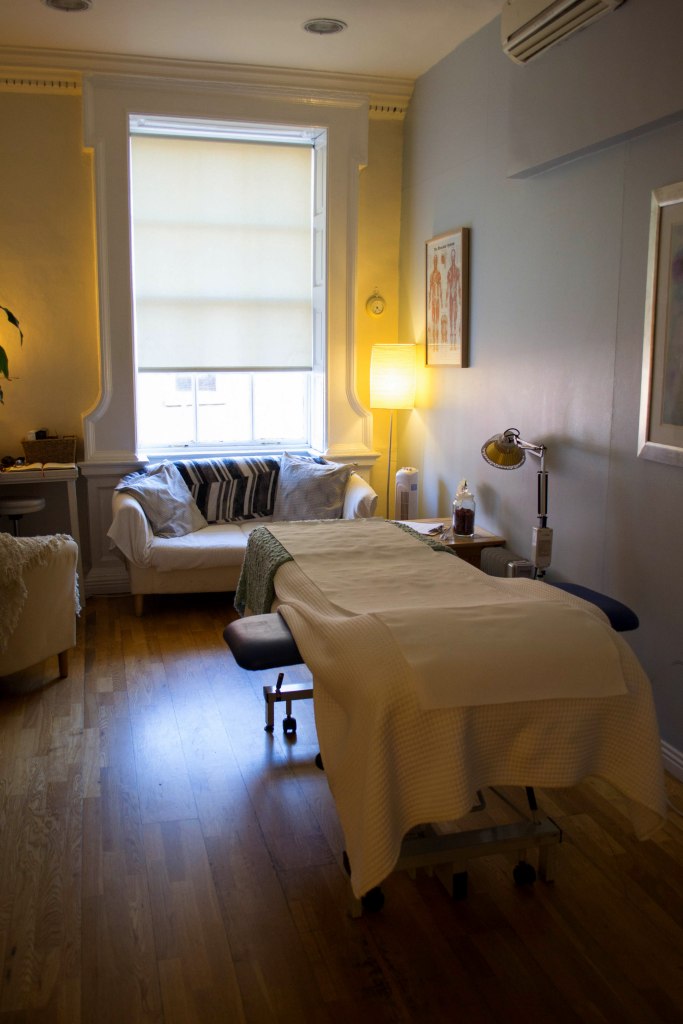
A calming therapy room featuring a massage table, a comfortable chair, and natural light filtering through a window, creating a serene atmosphere.

2. Set clear objectives for your photoshoot

Understanding the purpose behind your photoshoot is crucial. Are you launching a new service? Updating your website? Refreshing your social media content? Each goal will influence the type of images you need.

Consider the following:

  • Website banners: wide shots with space for text overlays.
  • Social media: a mix of close-ups, behind-the-scenes shots, and lifestyle images.
  • Press features: clean, professional headshots.

Having specific goals allows you to create a shot list tailored to your needs, ensuring that you capture all the necessary content during your shoot.


3. Choose the right photographer

Selecting a photographer who understands your industry and shares your vision is vital. Look for someone with experience in wellness branding and a portfolio that aligns with your aesthetic.

When evaluating potential photographers, consider:

  • Their understanding of your industry: do they have experience working with wellness professionals?
  • Their style: does their editing style match your brand’s look and feel?
  • Their process: do they offer guidance on planning, styling, and shot lists?

Remember, a good photographer does more than take pictures — they help bring your brand’s story to life through imagery.


4. Plan your wardrobe and props

Your clothing and props should reflect your brand’s personality and appeal to your target audience. Choose outfits that align with your brand colours and make you feel confident and comfortable.

Tips for wardrobe planning:

  • Stick to your brand colours: this ensures consistency across your marketing materials (but don’t be afraid to test out complementary colours or unexpected combinations).
  • Avoid busy patterns: they can be distracting and may not photograph well.
  • Consider layers: they add depth to your photos and allow for quick outfit changes.

As for props, think about the tools of your trade: yoga mats, essential oils, healthy foods, or fitness equipment. These items help tell your brand’s story and provide context for your services.


5. Select the perfect location

The setting of your photoshoot should complement your brand’s identity. Consider locations that reflect the atmosphere you want to convey — be it serene nature spots, cosy indoor spaces, or vibrant urban environments.

When choosing a location, think about:

  • Lighting: natural light is often the most flattering and versatile.
  • Accessibility: ensure the location is convenient for you and your photographer.
  • Permissions: if you’re shooting in a public or private space, make sure you have the necessary permissions.

Remember, the right location can enhance your brand’s narrative and provide a cohesive backdrop for your visuals.

A close-up of a person's head receiving acupuncture treatment, with hands gently placing needles into their scalp, showcasing a serene and focused atmosphere.

6. Create a detailed shot list

A shot list is a roadmap for your photoshoot, outlining all the images you want to capture. It helps keep the session organised and ensures you don’t miss any essential shots.

Your shot list might include:

  • Headshots: professional images for your website and press features.
  • Action shots: images of you working with clients or demonstrating your services.
  • Detail shots: close-ups of your tools, products, or workspace.
  • Lifestyle images: candid moments that showcase your personality and brand culture.

Share this list with your photographer ahead of time so they can prepare and provide input on how to best execute your vision.


7. Prepare for the day of the shoot

Preparation is key to a successful photoshoot. In the days leading up to the session:

  • Confirm all details: double-check the time, location, and any necessary permissions.
  • Organise your outfits and props: have everything clean, pressed, and ready to go.
  • Communicate with your photographer: ensure they have your shot list and understand your objectives.

On the day of the shoot:

  • Arrive early: give yourself time to settle in and get comfortable.
  • Stay hydrated and rested: you’ll look and feel your best.
  • Be yourself: authenticity shines through in photos.

8. Common mistakes to avoid

Avoid these pitfalls to ensure a smooth and effective photoshoot:

  • Lack of planning: going into a shoot without a clear plan can lead to missed opportunities and inconsistent imagery.
  • Ignoring your brand identity: choosing outfits, props, or locations that don’t align with your brand can confuse your audience.
  • Overcomplicating the shoot: trying to do too much in one session can be overwhelming. Focus on quality over quantity.
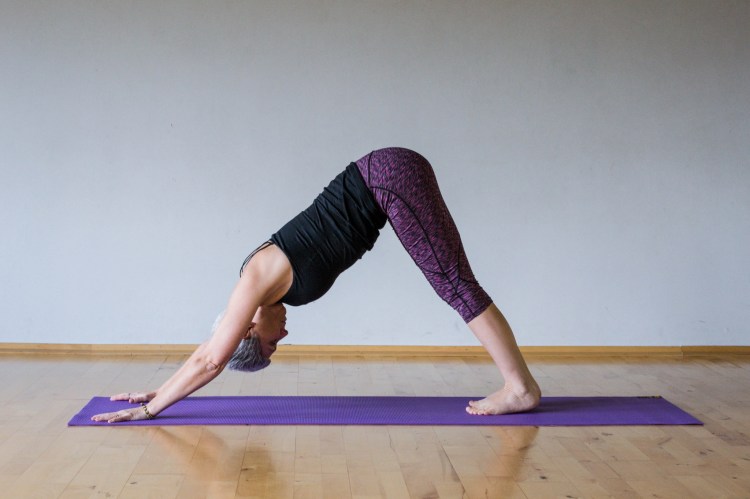
A woman practicing downward-facing dog yoga pose on a purple mat in a well-lit indoor studio.

9. Real-world insight: a case study

In a recent project with an Irish wellness business, we focused on capturing the client’s unique approach to holistic health. By aligning the visuals with their ethos — emphasising natural, soothing elements and a calm atmosphere — we created a portfolio of images that perfectly reflected their brand identity.

This shoot involved a mix of close-up shots, lifestyle images with clients interacting, and serene indoor shots in a calming studio. The brand’s message of “holistic wellness for body and mind” was brought to life in each image, creating a consistent and authentic visual presence across social media, the website, and promotional materials.

The results? Increased website traffic, higher engagement on social media, magazine features and, most importantly, a stronger connection with their ideal clients.


Checklist: before your wellness brand photoshoot

Use this checklist to ensure you’re ready for your photoshoot:

  1. Brand identity: have you defined your brand’s core values and visual style?
  2. Objectives: are your goals clear (website update, new social media content, etc.)?
  3. Photographer: have you selected a photographer who understands wellness branding?
  4. Wardrobe: have you chosen outfits that align with your brand colours and style?
  5. Props: are your props relevant to your services and aesthetic?
  6. Location: have you selected a location that complements your brand’s identity?
  7. Shot list: have you created a detailed shot list and shared it with your photographer?
  8. Preparation: have you confirmed all details and prepared your outfits and props?
  9. Post-shoot plans: do you have a plan for using and repurposing your images across various platforms?

Conclusion

A well-planned brand photoshoot is an investment in your wellness business’s future. It’s not about having pretty photos — it’s about creating content that speaks to your audience and strengthens your connection with them. By taking the time to plan your photoshoot, define your goals, and choose the right photographer, you’re setting yourself up for success.


If you’re a wellness professional looking to build a visual identity that truly reflects who you are, I’d love to help. With over 8 years of experience in photography and a proven track record of working with holistic practitioners, yoga teachers, wellness coaches and more, I can guide you through every step of the process.

I offer brand photography consultations tailored specifically to wellness professionals — whether you’re just getting started or want to refresh your visual content with more strategy behind it. I also work with clients in person in Dublin for wellness brand photoshoots.

Curious what that looks like?

How to choose the right food photographer for your brand

You don’t need just “nice photos.” You need images that work — photos that feel like your brand, speak to your audience, and support your goals. That means working with a photographer who does more than point and shoot. You need someone who takes time to understand what you offer, who you’re speaking to, and how those images will actually be used.

But here’s the problem: most brands don’t know what to look for when hiring a food photographer. And that’s not their fault. The industry rarely talks about the behind-the-scenes of creative work — things like planning, strategy, usage rights, or what kind of questions to ask before a shoot.

This guide is here to help you make a better choice — whether it’s your first shoot or your tenth. You’ll find practical advice, honest opinions, and a few things most people won’t tell you about working with food photographers.

1. Strategy comes before styling

Beautiful photos won’t do much if they don’t connect with the right people. Before you even think about the visuals, a good photographer will ask about your brand, your audience, and what you want the content to do. That might mean driving traffic to your site, boosting product sales, or making your services feel more relatable.

If a photographer jumps straight into mood boards without a conversation about your goals, that’s a red flag. You want someone who understands how visuals support your overall marketing, not just someone who’s good with a camera.

What to ask:

  • How do you prepare for a shoot with a new brand?
  • What’s your process for making sure the visuals align with our goals?

2. Look for versatility, but also clarity

A strong portfolio shows range and consistency. You want someone who can shoot in different styles when needed, but still has a clear point of view. Look at their past work: does it feel polished, thoughtful, and intentional? Are they confident shooting in natural light and artificial setups if needed? Do they understand how to style food so it looks appetising, not fake?

You’re hiring someone to tell your brand story — make sure they know how to adapt while staying consistent.

What to ask:

  • Can I see examples of different types of work you’ve done (e.g., product photos, lifestyle, flat lays)?
  • How do you adapt your approach for different clients or campaigns?

3. Do they understand food (or are they guessing)?

This one’s important: your photographer needs to understand how food behaves. Ice cream melts. Greens wilt. Sauces separate. Knowing how to work with food isn’t just about styling — it’s about timing, lighting, temperature, and texture.

You don’t want to be on set with someone who has no idea how to make a stew look appetising or doesn’t notice when the chocolate has bloomed. This gets even more crucial if your brand focuses on health, wellness, or specialised ingredients.

What to ask:

  • Do you have experience working with the kind of food/products we offer?
  • How do you handle foods that are tricky to shoot?

4. They’re not just showing up with a camera

A professional food photographer comes prepared with more than equipment. They bring a plan. They know how to source or style props (or they can help you find a prop stylist), troubleshoot tricky lighting, create movement in a still image, and manage time effectively.

You want someone who can anticipate what might go wrong, not scramble to fix it once it does. They should be able to guide you through the process, not rely on you to figure it out.

What to ask:

  • What does a typical shoot day look like for you?
  • Do you handle styling or work with a food stylist?

5. Pricing, licensing, and what’s included

Here’s where things often get skipped — and it ends up hurting the brand later. A professional photographer will walk you through what’s included in the fee: how many images, how they can be used, who owns the content, what’s extra, and what’s not.

Many brands don’t realise that licensing matters. If you’re using the photos in ads, on packaging, or across multiple platforms, you may need extended usage rights. Ignoring this part can lead to legal issues or misunderstandings.

What to ask:


6. Communication and collaboration style

This might not seem like a big deal — until you’re on set and things aren’t going as planned. You want someone who communicates clearly, sets expectations, and makes you feel supported during the entire process. Collaboration is key. Are they open to your ideas while also confident in theirs? Do they listen? Do they explain their decisions?

You should feel like they’ve got it covered, not like you have to micromanage the process.

What to ask:

  • How do you usually work with clients before, during, and after the shoot?
  • What’s your process for feedback and revisions?

7. Do they care about your brand?

You can usually tell when someone’s just there to shoot versus when they actually care about your business. Do they ask thoughtful questions? Are they curious about your product, your story, your values? Or are they just sending over a quote and a mood board without context?

A photographer who takes time to understand your brand will deliver images that feel like you, not just images that follow trends.

What to ask:

  • What do you need to know about our brand before the shoot?
  • How do you tailor your creative direction for each client?

Final thoughts

Hiring a food photographer isn’t just about finding someone with a nice following on social media. It’s about finding someone who listens, who plans, who understands what you’re trying to achieve, and who takes pride in doing the job well.

A well-thought-out shoot can create content that works hard for months on your website, on social media, in print, and beyond. Rushed work by someone who doesn’t get your brand? That usually ends up costing more in the long run.


Want visuals that do more than just look good?
I am a food photographer based in Dublin, Ireland. With over 8 years of experience working remotely with brands worldwide, I understand how to create images that resonate with your audience and drive real results. From detailed brand consultation to shooting, styling, and post-production, I handle it all to ensure your content doesn’t just look good — it tells a story, builds trust, and boosts your sales.

If you’re looking to elevate your brand with photography that reflects your ethos and connects with your audience, I’d love to help.

How to write recipes that sell: a guide for food and wellness brands

You might have the best smoothie recipe or the perfect gut-friendly snack. But if your audience can’t follow it, doesn’t trust it, or doesn’t connect with it — they’re moving on to the next one.

Recipe writing is one of those things that looks simple, but there’s a real skill to getting it right. Especially when you’re trying to grow your brand, build trust, and create content that actually helps people.

The good news? You don’t need to be a trained chef or a copywriter to write recipes that work. But you need to be clear, consistent, and intentional — and understand how to tailor your recipe for the platform you’re using.

This blog post walks you through how to do just that. We’ll talk structure, tone, visuals, common mistakes, and how to write for Instagram, blogs, or email. There are real-life examples, too — because theory is great, but seeing it in action is even better.

Ready to make your recipes easier to follow and more useful for your audience? Here’s how to do it.

1. Understand your audience

Before you start writing, consider who you’re speaking to. Are they busy parents looking for quick meals? Fitness enthusiasts seeking high-protein options? Individuals with dietary restrictions?​

Tips:

  • Identify their needs: understand their cooking skills, dietary preferences, and time constraints.
  • Use relatable language: avoid overly technical terms unless your audience is familiar with them.
  • Address common challenges: offer solutions to problems your audience frequently encounters in the kitchen.​

2. Start with a clear, descriptive title

Your recipe title should be straightforward and informative. It should convey what the dish is and highlight any unique aspects.​

Examples:

  • “Gluten-free banana oat pancakes”
  • “Vegan lentil soup with fresh herbs”
  • “Low-sugar blueberry muffins with almonds”​

Tips:

  • Include key ingredients: this helps with SEO and sets expectations.
  • Mention dietary considerations: if the recipe is vegan, keto, or allergy-friendly, state it upfront.
  • Keep it concise: aim for clarity over creativity.​

3. Write an engaging introduction

The introduction sets the stage for your recipe. It’s an opportunity to connect with your audience and provide context.​

Include:

  • The inspiration: share why you love this recipe or how it fits into a wellness routine.
  • Health benefits: you can mention nutritional or functional benefits, like fibre content or gut support. Avoid medical claims unless you’re a registered professional. If you are (like a dietitian or qualified nutritionist), you can include condition-specific details, as long as they’re evidence-based and within your scope of practice.
  • Serving suggestions: offer ideas for pairings or occasions.​

Example:

“After a rejuvenating yoga session, I often crave something light yet nourishing. This quinoa salad, packed with fresh vegetables and a zesty lemon dressing, is my go-to. It’s quick to prepare and keeps me energised throughout the day.”​


4. List ingredients clearly

A well-organised ingredient list ensures your readers can easily gather what they need.

Tips:

  • List in order of use: this helps readers follow along without confusion.
  • Specify measurements: use standard units and be precise.
  • Note any special preparations: if an ingredient needs to be chopped, diced, or pre-cooked, mention it here.​

Example:

  • 200 g cooked quinoa
  • 100 g cherry tomatoes, halved
  • 1 tablespoon fresh parsley, chopped
  • Juice of 1 lemon
  • 1 tablespoon olive oil
  • Salt and pepper to taste​

5. Provide step-by-step instructions

Clear, concise instructions are crucial. They guide your readers through the cooking process and ensure successful results.​

Tips:

  • Use numbered steps: this makes the process easy to follow.
  • Be specific: instead of “cook until done,” say “simmer for 10 minutes until the sauce thickens.”
  • Include sensory cues: describe textures, colours, and aromas to guide readers.​

Example:

  1. In a large bowl, combine cooked quinoa, cherry tomatoes, and parsley.
  2. In a small bowl, whisk together lemon juice, olive oil, salt, and pepper.
  3. Pour the dressing over the quinoa mixture and toss to combine.
  4. Serve immediately or refrigerate for up to 2 days.​

6. Add nutritional information

Providing nutritional details can be valuable, especially for wellness-focused audiences.

Tips:

  • Use reliable tools: utilise a nutrition analysis software to calculate values.
  • Be transparent: clearly state serving sizes and any estimations.
  • Avoid making health claims: stick to factual, responsible information about ingredients or nutritional value. If you’re not a registered professional, avoid suggesting that a recipe can treat or prevent health conditions. If you are qualified, you can go deeper — just make sure it’s backed by evidence and within your professional scope.

Note: It’s important to know your audience and what your brand stands for. Based on that, decide if you need and if you want to share nutritional information — they are not a must-have.​

Example:

Per serving:

  • Calories: 210
  • Protein: 6 g
  • Carbohydrates: 28 g
  • Fat: 9 g
  • Fibre: 4 g

7. Incorporate SEO best practices

Optimising your recipe for search engines increases its visibility and reach.

Tips:

  • Use relevant keywords: incorporate terms your audience is searching for, like “healthy quinoa salad” or “post-workout snack.”
  • Optimise images: use descriptive file names and alt text for photos.
  • Structure content with headings: use H2 and H3 tags to organise your post.
  • Include a meta description: write a concise summary that entices clicks.​

8. Enhance with visuals

High-quality images and videos can make your recipe more appealing and easier to follow.

Tips:

  • Showcase the final dish: provide clear, well-lit photos of the completed recipe.
  • Include process shots: visual guides of key steps help readers feel confident while cooking.
  • Stay on brand: use your brand’s colour palette in backgrounds, props, or clothing (e.g., if you’re in the shot).
  • Keep it real: styled food doesn’t mean fake. Make it appetising, not misleading.

9. Real-life example: mini case study

A nutritionist’s go-to salad recipes

A nutritionist wanted to connect more with her clients through her newsletter. She began sharing short, easy salad recipes with clear health benefits, photographed on background boards in her brand’s soft, neutral tones. Within weeks, she started getting replies and people were actually trying the recipes and tagging her on Instagram.

What worked: Appetising photos, well-written recipes, practical value for her audience, and a trust relationship built thanks to visual clues, consistency, storytelling, & timing.


10. Common recipe writing mistakes to avoid

  • Missing prep details: don’t assume your reader knows how to “prep leeks” or “toast seeds.” Be clear.
  • No yield or servings info: always mention how many people the recipe serves, or how much it makes.
  • Over-complicated instructions: keep it simple and conversational — clarity wins.
  • Unrealistic timing: test your recipe before posting. Don’t list “10 minutes” if it really takes 30.
  • Skipping dietary notes: add small notes like “gluten-free if using GF oats” or “contains nuts.”

11. Adapting recipes for different platforms

Instagram

  • Keep captions short and hook-driven.
  • Use carousel posts for step-by-step breakdowns.
  • Always lead with value: “Quick 5-minute snack for a rainy day” works better than “My banana bread recipe.”

Blogs

  • Long-form structure: intro, ingredients, instructions, notes, nutrition, FAQ.
  • Add a print button, star ratings, and keyword-rich headings.
  • Great place for SEO and evergreen content.

Newsletters

  • Adapt to a conversational tone.
  • Focus on one idea or benefit per email.
  • Use a strong subject line and preview text to increase opens: “Your new favourite Sunday soup 🍲”

Final thoughts

Writing recipes might seem simple, but doing it well takes thought, structure, and a deep understanding of your audience. If you’re a wellness professional or food brand, every recipe is an opportunity to show your values, serve your community, and position yourself as an expert.

Whether your platform is Instagram, a blog, or a newsletter, the key is to be intentional. The more thoughtful your recipe content is, the more trust you build — and trust is what drives people to come back for more, engage with your brand, and eventually become paying clients or loyal customers.


Want support creating content that connects with your audience — from clear recipe writing to strategy-led visuals and social posts that feel like you?

I work with food and wellness brands to create content that’s thoughtful, helpful, and built for your people. I am a recipe developer, food photographer, and food stylist based in Dublin, Ireland (but working remotely with clients worldwide).

The science behind irresistible food photos (and how brands can use it too)

Ever wondered why certain food photos make you stop scrolling and crave a bite? It’s not just about good lighting or a fancy camera. There’s a blend of science and styling at play that makes these images so compelling.​

In this post, we’ll explore three key scientific principles that can elevate your food photography and help your brand stand out:

  • The Maillard reaction: achieving the perfect golden brown
  • Emulsification: creating glossy, appealing sauces
  • Temperature control: capturing the ideal ice cream shot

1) The Maillard reaction: achieving the perfect golden brown

The Maillard reaction is a chemical process that occurs when proteins and sugars in food react under heat, leading to browning and the development of complex flavours. This reaction is responsible for the appetising golden crust on baked goods and the savoury sear on meats.​

How to apply it:

  • High heat cooking: ensure your oven or pan is hot enough to trigger the Maillard reaction.
  • Dry surfaces: pat foods dry before cooking to promote better browning.
  • Avoid overcrowding: give food space to allow moisture to escape, facilitating browning.​

In photography, highlighting the golden hues achieved through the Maillard reaction can make dishes look more delicious and visually appealing.​

2) Emulsification: creating glossy, appealing sauces

Emulsification is the process of combining two liquids that typically don’t mix, like oil and water, into a stable mixture. This technique is essential for creating smooth, glossy sauces and dressings that not only taste good but also photograph beautifully.​

How to apply it:

  • Use emulsifiers: ingredients like egg yolks or mustard can help stabilise emulsions.
  • Gradual mixing: slowly combine ingredients while whisking to create a uniform texture.
  • Temperature control: ensure ingredients are at the right temperature to prevent separation.​

A well-emulsified sauce can add a luxurious sheen to dishes, making them more enticing in photos.​

3) Temperature control: capturing the ideal ice cream shot

Photographing ice cream presents unique challenges due to its sensitivity to temperature. Too cold, and it looks hard and unappetising; too warm, and it melts into a puddle mid-shoot.​

How to apply it:

  • Pre-scoop and freeze: scoop ice cream in advance and freeze it to maintain shape during the shoot.
  • Cool the environment: keep the shooting area cool to slow down melting.
  • Use substitutes: consider using mashed potatoes or other stand-ins for ice cream in extended shoots.​

Managing temperature effectively ensures that ice cream looks creamy and inviting in photographs.​

So what does this mean for your brand?

Understanding the science behind food photography isn’t just interesting — it’s practical. If you’re a food or drink brand, every visual you share is an opportunity to tell a story and spark desire. And the most effective content isn’t random — it’s strategic.

For example, showing a golden, crisp crust thanks to the Maillard reaction can help a sourdough bakery communicate freshness and craft. A velvety ice cream scoop with just the right texture? That shows quality, without saying a word. And if you’re launching a new product, the visual difference between a dull batter and a glossy, emulsified one might be what gets someone to stop scrolling and click. These styling choices may seem small, but they shape how people feel about your product, which directly affects their willingness to buy.

By working with professionals who understand both food and how it behaves, you’re not just getting prettier content; you’re creating visuals that actually convert.

Conclusion

There’s a reason some food photos make people pause, save, or click — and it has less to do with filters and more to do with science. Crisp crusts, glossy sauces, and perfectly soft ice cream aren’t just beautiful — they’re carefully planned details that shape how people perceive taste, freshness, and quality.

If you’re a food brand trying to stand out online, this is something worth paying attention to. Great visuals aren’t created by chance. They come from knowing what makes food look appetising and how to translate that into content that actually works.

The right food stylist or content creator knows how to make your product look its best, using techniques backed by science and refined through experience. That combination of creativity and understanding is what helps turn browsers into buyers.


Need food photos that actually work?

With a background in chemistry and over 8 years of experience in food photography and content creation, I bring science, creativity, and strategy to every shoot. Each crumb, swirl, and drizzle has a purpose.

If you’re a food, drink, or wellness brand that’s ready for content that stops the scroll and drives results, I’d love to help. Get in touch — and let’s make your product the one people can’t stop craving.

The essential brand photos every wellness business needs (and how to use them)

In the wellness industry, where trust and authenticity are paramount, your brand’s visual representation plays a crucial role in connecting with potential clients. Whether you’re a yoga instructor, nutritionist, massage therapist, or holistic practitioner, having a set of well-thought-out brand photos can significantly enhance your online presence and credibility.

Why brand photography matters in wellness

In a field centred around personal well-being and transformation, clients often seek professionals they can relate to and trust. High-quality, authentic images help convey your personality, values, and the experience clients can expect. They serve as a visual handshake, introducing you before any words are exchanged.​

Must-have brand photos for wellness professionals

1. Portraits that reflect your personality

These aren’t your typical headshots. Think of images that capture you in your element: perhaps guiding a meditation, preparing a healthy meal, or simply enjoying a moment of calm. Such photos provide a glimpse into your approach and make you more relatable.​

2. Your workspace or treatment area

Showcasing where you work helps demystify the experience for potential clients. Whether it’s a serene therapy room, a vibrant kitchen, or an outdoor yoga space, these images set expectations and build comfort.​

3. Tools of your trade

Photographing the items you use (like essential oils, yoga mats, or nutritional guides) adds depth to your brand story. It highlights your methods and the care you put into your practice.​

4. Client interaction (with consent)

Images of you engaging with clients can be powerful. They demonstrate your approachability and the personalised care you offer. Always ensure you have permission before sharing such photos.​

5. Lifestyle shots

These images capture the essence of your brand in everyday settings. Perhaps it’s you enjoying a morning routine, walking in nature, or participating in a community event. They humanise your brand and show the lifestyle you advocate.

Utilising your brand photos effectively

  • Website: this is often the first point of contact. Use your brand photos to create a cohesive and inviting experience. Place portraits on the “About” page, workspace images on service pages, and lifestyle shots in blog posts or testimonials.​
  • Social media: consistency is key. Regularly share your brand photos to maintain a cohesive aesthetic. Use them in posts, stories, and highlights to keep your audience engaged and familiar with your brand.​
  • Marketing materials: incorporate your images into brochures, business cards, and newsletters. They reinforce your brand identity and make your materials more engaging.​
  • Online directories and profiles: ensure your profiles on platforms like Google My Business, wellness directories, and booking sites feature your brand photos. They enhance your credibility and make your listings more appealing.​

Planning your brand photoshoot

  • Define your brand identity: before the shoot, clarify your brand’s values, tone, and target audience. This clarity will guide the style and content of your photos.​
  • Choose the right photographer: select a photographer who understands the wellness industry and can capture the essence of your brand. Review their portfolio to ensure their style aligns with your vision.​
  • Collaborate on vision and planning: work with a photographer who takes the time to understand your brand, target audience, and goals. They should ask insightful questions, help prepare a shot list, and collaborate on a mood board to ensure the photos align with your vision. This collaborative approach ensures the final images resonate with your intended audience.​
  • Prepare your space and props: ensure your workspace is clean and reflects your brand’s aesthetic. Gather props that are meaningful to your practice and resonate with your audience.​
  • Plan your outfits: choose clothing that aligns with your brand colours and is comfortable (and if you are not sure what to pick, rethink your clothing in terms of colour psychology). Avoid busy patterns that might distract from your message.​
  • Create a shot list: outline the specific images you want to capture. This list ensures a focused session and that you obtain all necessary shots.​

Maintaining and updating your image library

Regularly update your brand photos to reflect any changes in your services, appearance, or branding. Fresh images keep your content relevant and show that your business is active and evolving.​

Conclusion

Investing in professional brand photography is a strategic move for any wellness professional. It enhances your online presence, builds trust with potential clients, and clearly communicates your brand’s values and offerings. By thoughtfully planning and utilising your brand photos, you set the stage for meaningful connections and business growth.​


I offer brand photography consultations tailored specifically to wellness professionals — whether you’re just getting started or want to refresh your visual content with more strategy behind it. I also work with clients in person in Dublin to create custom photo libraries that truly reflect your brand and values.

Curious what that looks like?

5 Proven ways to create visual content that grows your food brand

Standing out on social media is harder than ever. There’s no shortage of beautiful food photos, clever Reels, and carefully curated feeds. But what actually makes someone pause, pay attention, and remember your brand?

It’s not just about how good your food looks — it’s about how well you communicate your brand’s identity through visuals. Great content can build trust, tell a story, and make your audience feel something. But for that to happen, your content needs to do more than look nice. It has to be strategic.

This post breaks down five practical ways food brands can create content that isn’t just attractive — it’s effective. These tips are based on real-world experience working with food businesses that want more than likes: they want growth.

1. Prioritise high-quality, appetising images

The foundation of engaging visual content is high-quality photography that makes your food look irresistible.​

  • Lighting: lighting can make or break a food photo. It affects texture, colour, and how fresh or appealing your product looks. If the lighting is too harsh or too flat, even the best styling won’t help. For most food brands creating content in-house, natural light is the easiest place to start. A bright window and some diffusion (like a sheer curtain or a diffuser panel) can help you get soft, even light that brings out the best in your food. Artificial lighting can absolutely be effective too — but it takes the right tools, the right setup, and a bit of experience to get results that don’t look cold or unnatural. If you’re a busy founder or marketing manager, natural light might be the quicker, more practical route. It’s often more forgiving and easier to work with when you don’t have time for complex equipment or technical adjustments.
  • Angles: experiment with different angles to find the most flattering perspective for each dish. Overhead shots work well for flat lays, while a 45-degree angle can showcase the depth and layers of a burger or sandwich.​
  • Styling: keep the presentation clean and focused. Use props sparingly to complement the dish without distracting from it. Fresh ingredients, simple utensils, and neutral backgrounds can enhance the overall appeal.​
  • Editing: post-processing should enhance the natural colours and textures of the food. Adjust brightness, contrast, and saturation to make the image pop, but avoid over-editing that can make the food look unnatural.​

Example: a well-lit photo of a fresh salad or sandwich with vibrant and colourful ingredients, styled on a neutral background with minimal props, can convey freshness and health, appealing to health-conscious consumers.​

2. Incorporate your brand’s colour palette

Consistent use of your brand’s colour palette in visual content helps reinforce brand identity and makes your content instantly recognisable.​

  • Backgrounds and props: choose backgrounds, tableware, and props that reflect your brand colours. This consistency creates a cohesive look across all your content.​
  • Food presentation: incorporate brand colours into the food itself when possible. For example, a bakery with a pastel-themed brand might use pastel-colored frosting or decorations.​
  • Graphic elements: Use brand colours in text overlays, logos, and other graphic elements to maintain consistency across different types of content.​

Example: a coffee shop with a rustic brand identity might use wooden tables, earthy-toned mugs, and natural lighting to create a warm, inviting atmosphere in their photos.​

3. Tell a story through your visuals

Storytelling adds depth to your content, making it more engaging and memorable. Visual storytelling can convey your brand values, the origin of your ingredients, or the experience of enjoying your product.​

  • Behind-the-scenes: Share images of the cooking process, ingredient sourcing, or your team at work. This transparency builds trust and connection with your audience.​
  • Customer experience: Showcase customers enjoying your food in real settings. This not only provides social proof but also helps potential customers envision themselves in those scenarios.​
  • Seasonal themes: Align your content with seasons, holidays, or events to make it timely and relevant.​

Example: a farm-to-table restaurant might share images of their chef selecting fresh produce at a local market, preparing the dish, and serving it to customers, illustrating the journey from farm to plate.​

4. Utilise video content to showcase movement and texture

Videos can capture the dynamic aspects of food that photos cannot, such as the sizzle of a steak or the pour of a sauce.​

  • Short clips: create short, engaging videos that highlight the preparation process, the final presentation, or customer reactions.​
  • Reels and stories: use platforms like Instagram Reels or Stories to share quick, behind-the-scenes glimpses or tips related to your food offerings.​
  • Tutorials: share step-by-step cooking tutorials or recipe ideas that incorporate your products, providing value to your audience.​

Example: a bakery could post a time-lapse video of a cake being decorated, showcasing the skill and care involved in their creations.​

5. Engage with user-generated content

Encouraging your customers to share their own photos and experiences with your brand can build community and provide authentic content.​

  • Hashtags: create a branded hashtag and encourage customers to use it when posting about your products.​
  • Contests: run photo contests where customers submit their best shots for a chance to win a prize. This not only generates content but also increases engagement.​
  • Feature customers: Share user-generated content on your own channels, giving credit to the original creators. This recognition can foster loyalty and encourage more sharing.​

Example: a smoothie brand might encourage customers to share photos of their smoothie creations using a specific hashtag, then feature selected posts on their Instagram feed.​

Conclusion

Creating engaging visual content for your food brand involves more than just taking attractive photos. It requires a strategic approach that incorporates high-quality imagery, consistent branding, storytelling, dynamic video content, and community engagement.​

By implementing these five strategies, you can enhance your brand’s visual presence, connect more deeply with your audience, and drive growth in a competitive market.​

Remember, the key is to be authentic, consistent, and attentive to what resonates with your audience. With thoughtful planning and execution, your visual content can become a powerful tool in building and sustaining your food brand’s success.​


Want content that actually gets people to stop scrolling and remember your brand? I help food, drink and wellness brands create visuals that are clear, on-brand, and made to connect.

If you’re ready for content that works harder for your business, get in touch or check out my services. I’m a food photographer and videographer based in Dublin, Ireland (but working remotely with businesses globally).