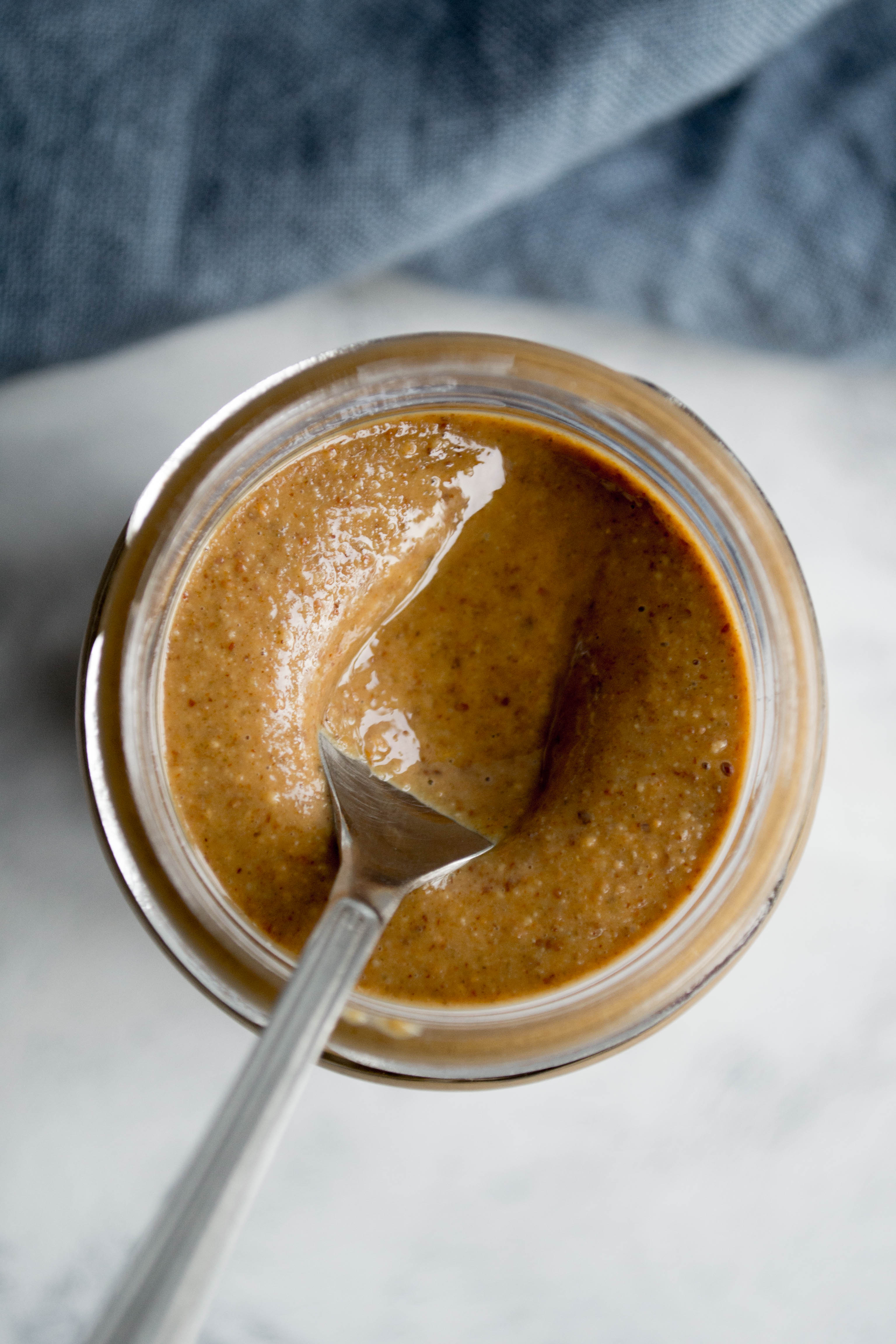
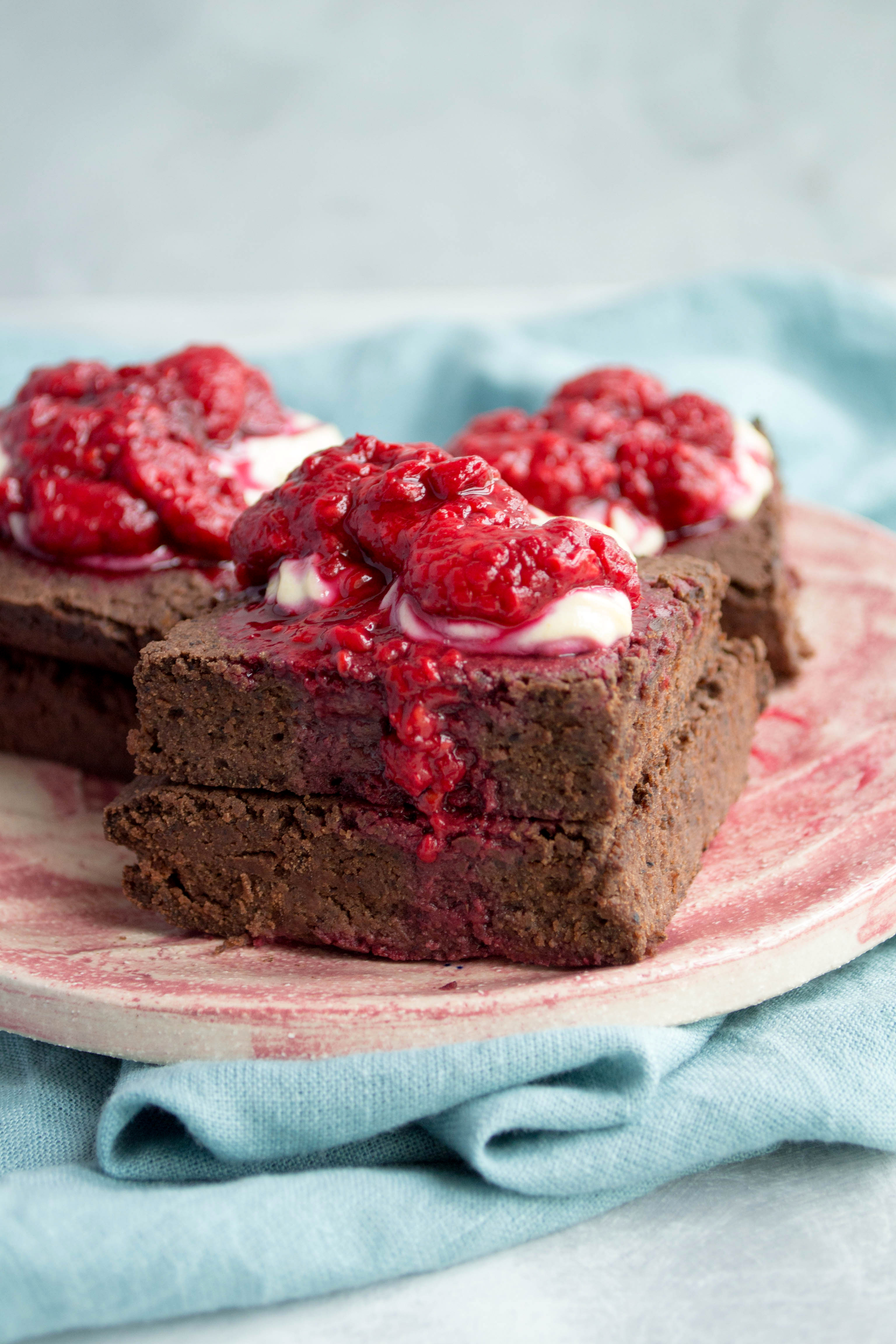
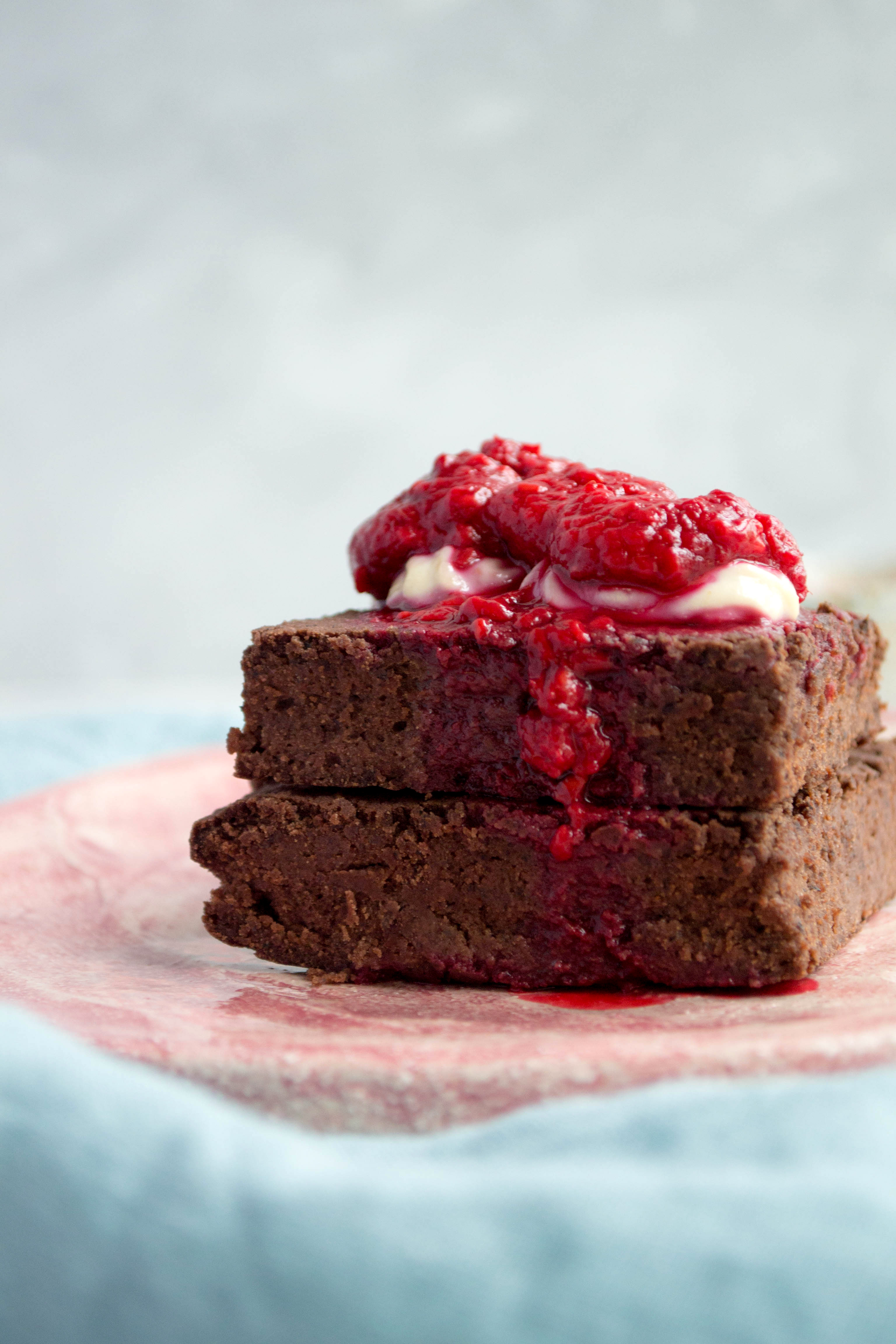
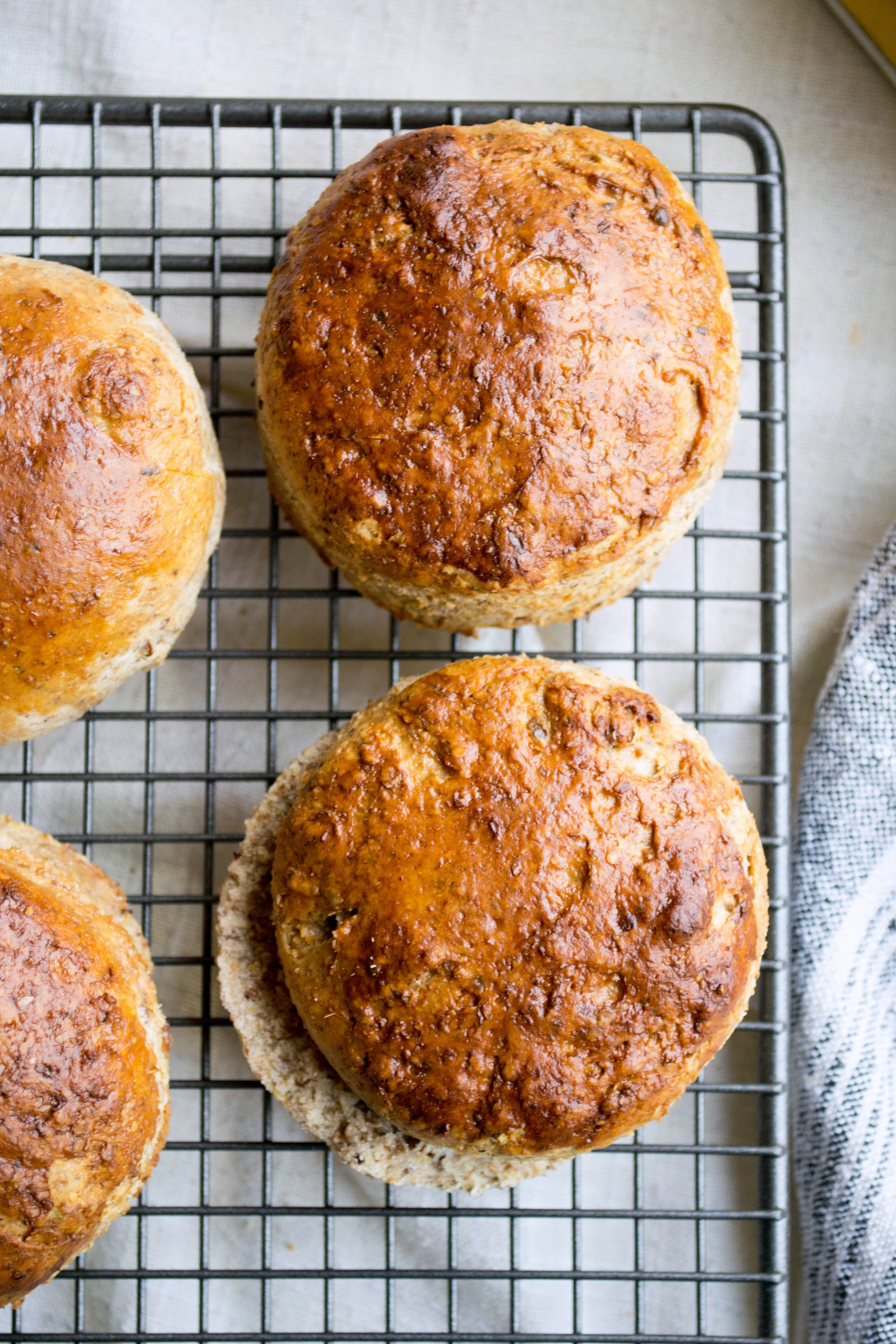
Whole grain scones and Raw Raspberry Chia Jam

Before moving to Ireland, I never had a scone before… but they are such a lovely idea for breakfast or brunch that after trying them a couple of times, I ended up experimenting at home with several combinations. I always use whole grain flour as a base, but all the other ingredients are different every time (sometimes I also sneak in a part of almond flour) – being creative while cooking can actually be the key to really enjoy your food choices and be more aware of what you choose (and what you actually like or not).

“DO YOU HAVE LIMITED OPTIONS? DO YOU END UP EATING THE SAME FOODS EVERY DAY?” …these are just two of the most common doubts for someone who wants to start having a healthier diet and lifestyle. And don’t make me start mentioning the fear of eating tasteless and boring food.

Well, speaking from my personal experience, when I have decided to embrace a healthier lifestyle, paying attention to what I was eating, cooking more from scratch, and reading the labels of products before buying them… my diet changed completely and has been an exciting journey made of new foods, preparations, combinations, flavours, and colours! It’s incredible because on one side I had this “discovery journey“, and on the other side I was learning more about myself, my body, tastebuds, cooking skills, and (last but not for importance) I was learning more about the FREEDOM to choose and not to be limited by a diet or a food trend or an impossible goal! After more than 10 years, my journey is not over yet and I’M SO GLAD that every day I’m still OPEN to experiment and learn!

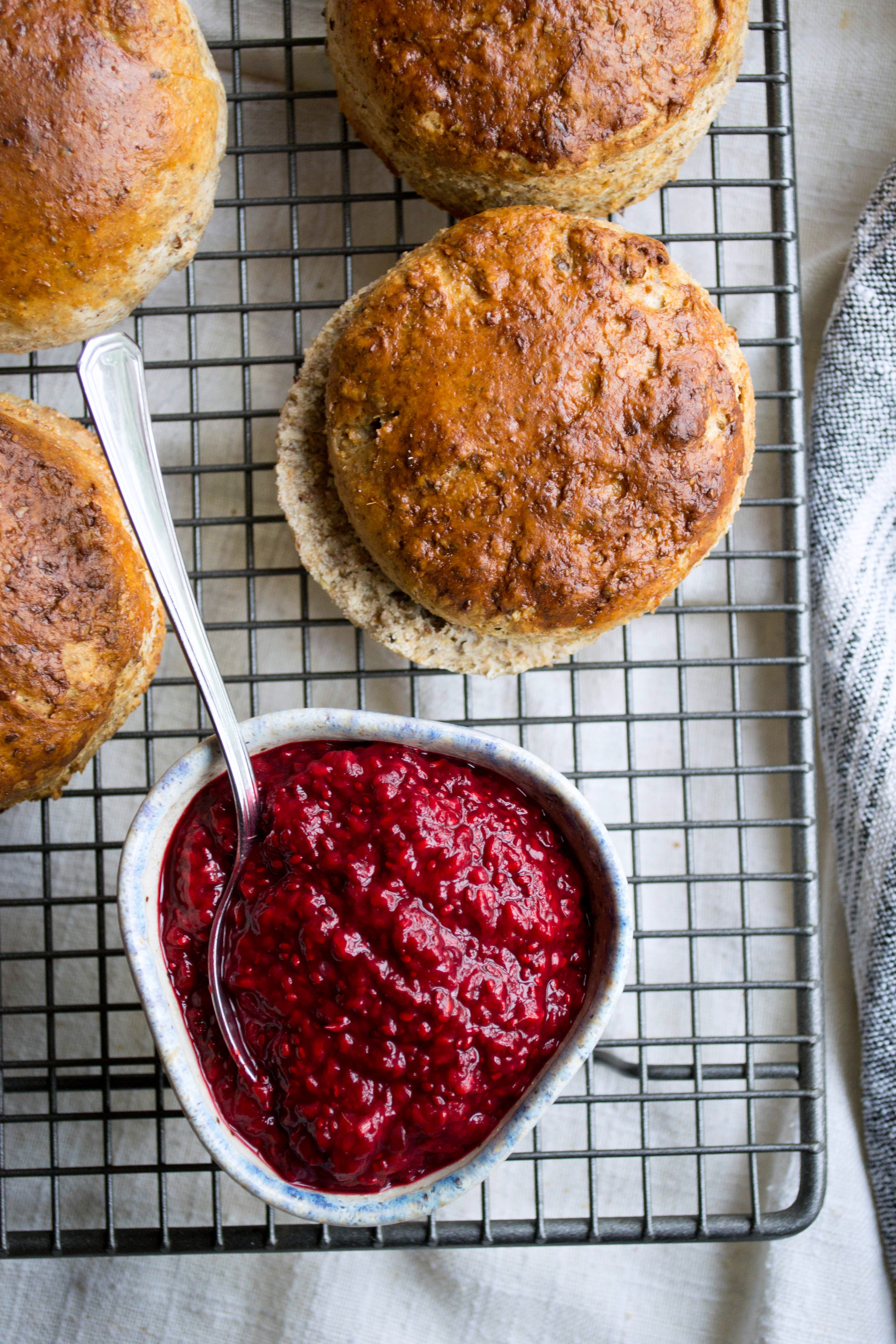
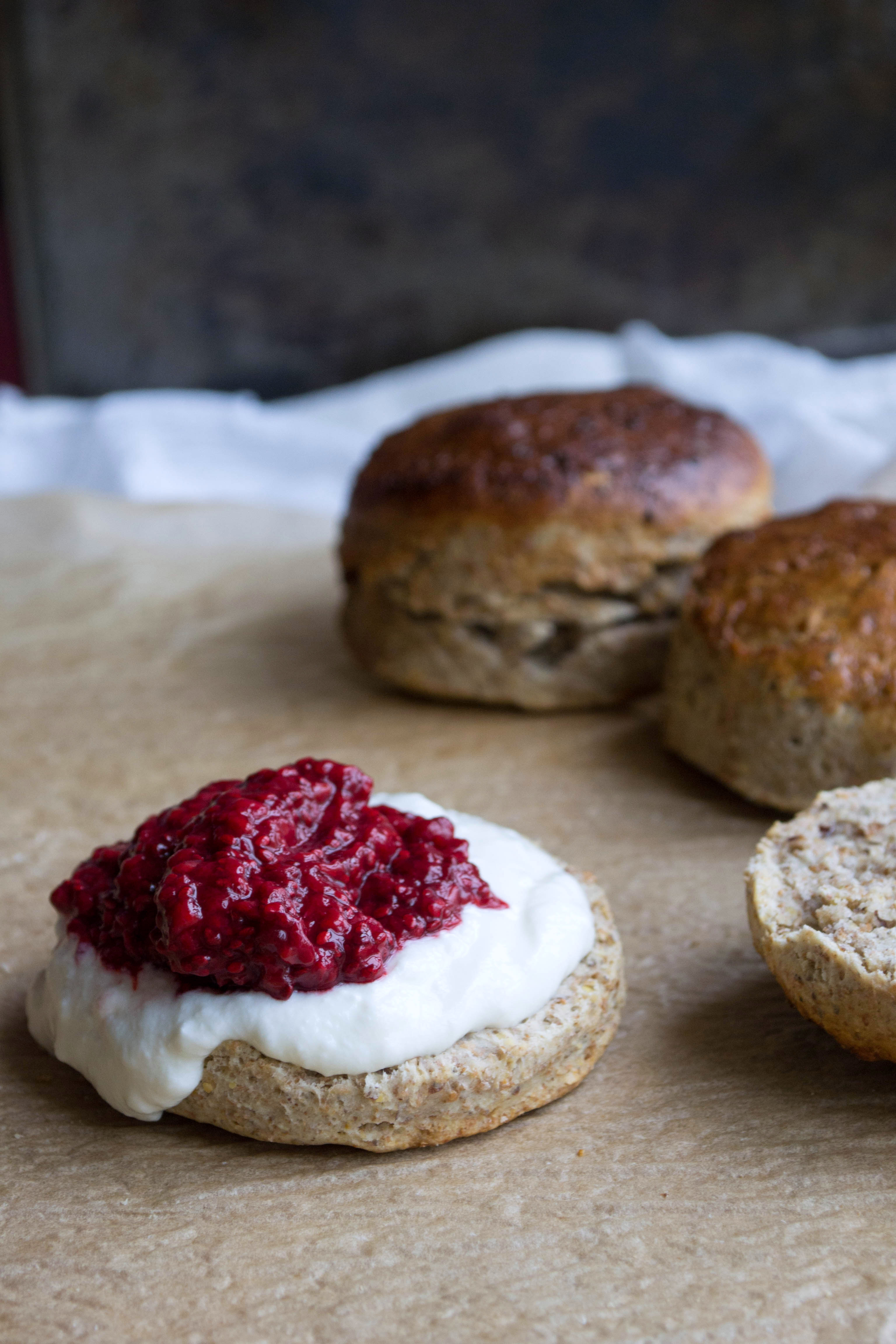
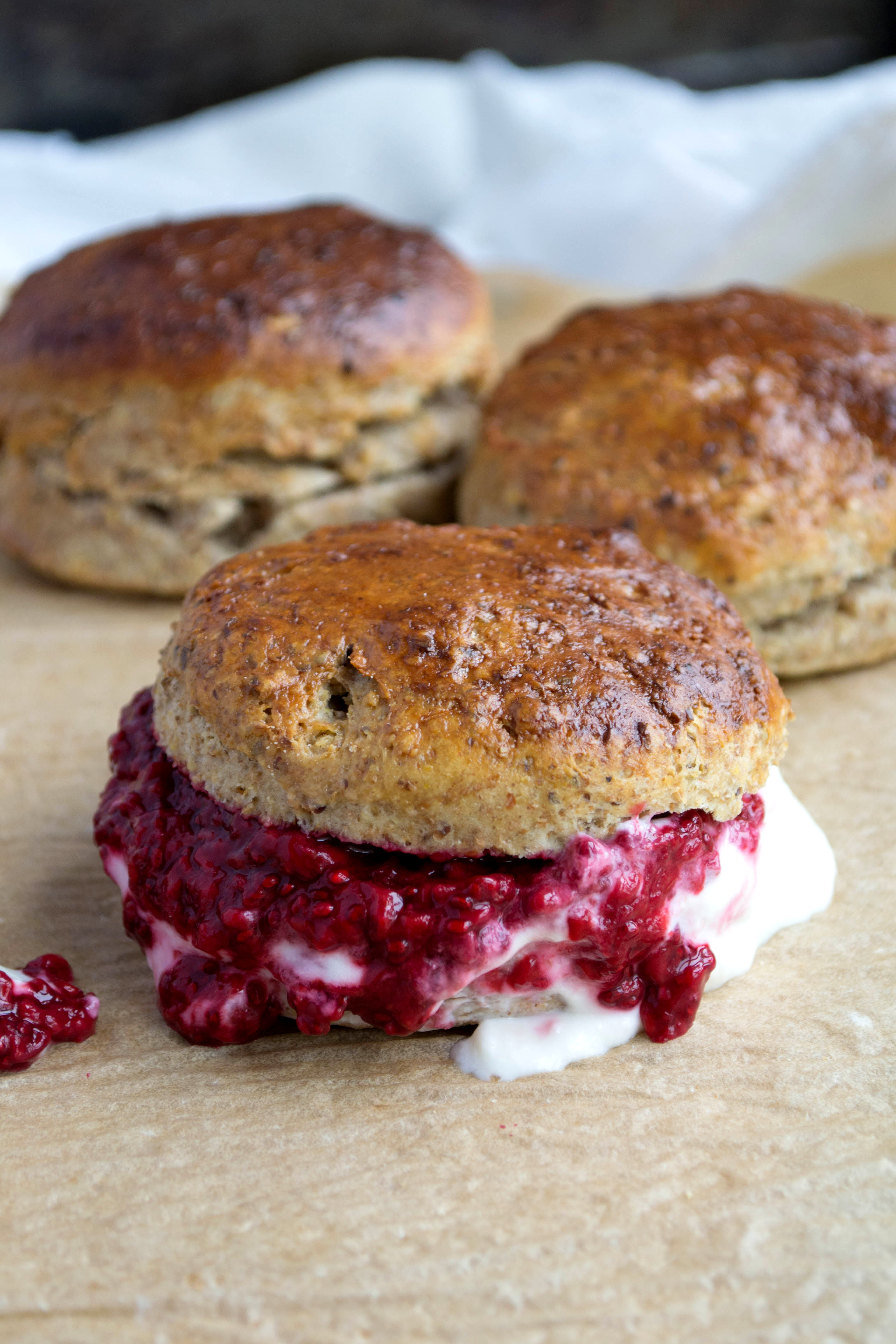
Below you will find an example of what I’ve written… Scones and an easy raw jam that pair well with them!

Chiara x

DSC_0373

DSC_0377

DSC_0401

WHOLE GRAIN SCONES

Ingredients

  • 200 g whole grain flour (I usually use wheat or spelt or a mix of them)
  • 2 tbsp coconut oil (measured solid)
  • 2 1/2 tsp baking powder
  • 1 tbsp apple cider vinegar
  • 1 tsp cinnamon powder
  • 1 tbsp date syrup (optional)
  • almond or hazelnut drink

If the coconut oil is solid, start by placing your 2 tbsp in a small cup and wait until it gets warmer and softer. In a large bowl, mix the flour, date syrup, and cinnamon – in a cup/glass, mix the 2 liquids (mix approx. 100 ml of vegetable drink with the vinegar, then if you will need more liquid, simply add some extra plant-based drink). Add the coconut oil to the dry ingredients and mix with your hands until the flour starts to “crumble”. Then, add the baking powder and, straight after, start including the remaining ingredients in small portions, checking if your dough really needs more liquid or not. When the dough is ready and doesn’t stick to your hands anymore, quickly cut the scones – I use a cutter that has a diameter of 7.5 cm and I roll out the dough to approx. 3-5 cm (but you can decide how to make them – in this way, you will make 4-5 large scones with the quantities listed above).

Bake in a preheated oven at 180°C for approx. 20 minutes. When they are almost ready, I brush them with a mix made with a splash of almond drink and a little bit of date syrup (approx. 2 tbsp drink + 1/4 tsp date syrup) – you can do this step twice so the scones will be more golden on top.

Serve them warm with Greek yogurt (or coconut yogurt) and fresh berries or the raspberry chia jam that you find below.

DSC_0408 (2)

RAW RASPBERRY CHIA JAM

Ingredients

  • 250 g fresh raspberries*
  • 3 tbsp chia seeds
  • juice of 1/2 lemon
  • optional: add a pinch of vanilla or 1/2 tsp freshly grated ginger

Mash your washed raspberries with a fork, add the lemon juice and the chia seeds (add also some vanilla or ginger, if you are using them). Mix well and leave in the fridge for at least 15 minutes before using it (you can add more lemon juice or 1-2 tbsp of water to get your preferred consistency for the jam). You can store the jam in a closed container in the fridge for a couple of days.

* my suggestion if you use frozen raspberries: heat them for approx. a couple of minutes in a pan with 1/2 tsp of ghee, mash them with a fork and leave to cool down before adding the seeds.


Would you like to start having a healthier diet and lifestyle, but also start building lifelong healthy habits? Are you ready for a change but need some help to get started? Click on the button below to take the first step:

I’M READY

Noodles with Asparagus and Courgettes

DSC_0116

Asparagus is one of those veggies that many people avoid to cook at home because of their characteristic taste, not so easy to pair and to prepare. The key is actually “keep it simple” – find a way to eat asparagus that you like and that at the same time allows you to celebrate them and really appreciate their flavour.

This Spring vegetable comes in several colours (green, purple, white) and it’s actually packed with nutrients*

  • low in calories
  • good amount of fibre (important to keep the body overall healthy)
  • rich in vitamins and minerals, such as vitamin C, A, K, and E – folate, potassium, phosphorus (folate is important for many processes in the body (among them, cognitive functions) and it’s a key nutrient for women who are pregnant or are planning a pregnancy – many other nutrients come in a smaller amount in asparagus, making this veggie really useful for our health and well-being)
  • good amount of antioxidants (important compounds that help us working as a protection from the effect of oxidative stress and free radicals – so, for example, they may help us dealing with inflammation and ageing)
  • being a source of potassium, they are one of those foods that help us get our daily intake of this important mineral (potassium helps to regulate blood pressure and the amount of sodium in the body – for many people, the daily diet is often rich in sodium and lacks in potassium)

Asparagus is also pretty famous for something else… the distinctive odour sometimes called “asparagus pee”! Wondering why? Which is the chemistry behind it? Asparagus contains a compound called asparagusic acid, which our body converts into sulfur-containing chemicals that have a characteristic strong odour. But what’s more interesting about this topic, is that not everyone can smell it. In a study published in the British Medical Journal, the researchers tried to know more about asparagus and the reasons why some people smell them in urine and others don’t (a genetic variation was associated with asparagus anosmia (=> inability to smell asparagus in urine)).

* if you have a specific medical condition, for example, uric acid kidney stones, talk to your doctor about having asparagus as part of your diet.

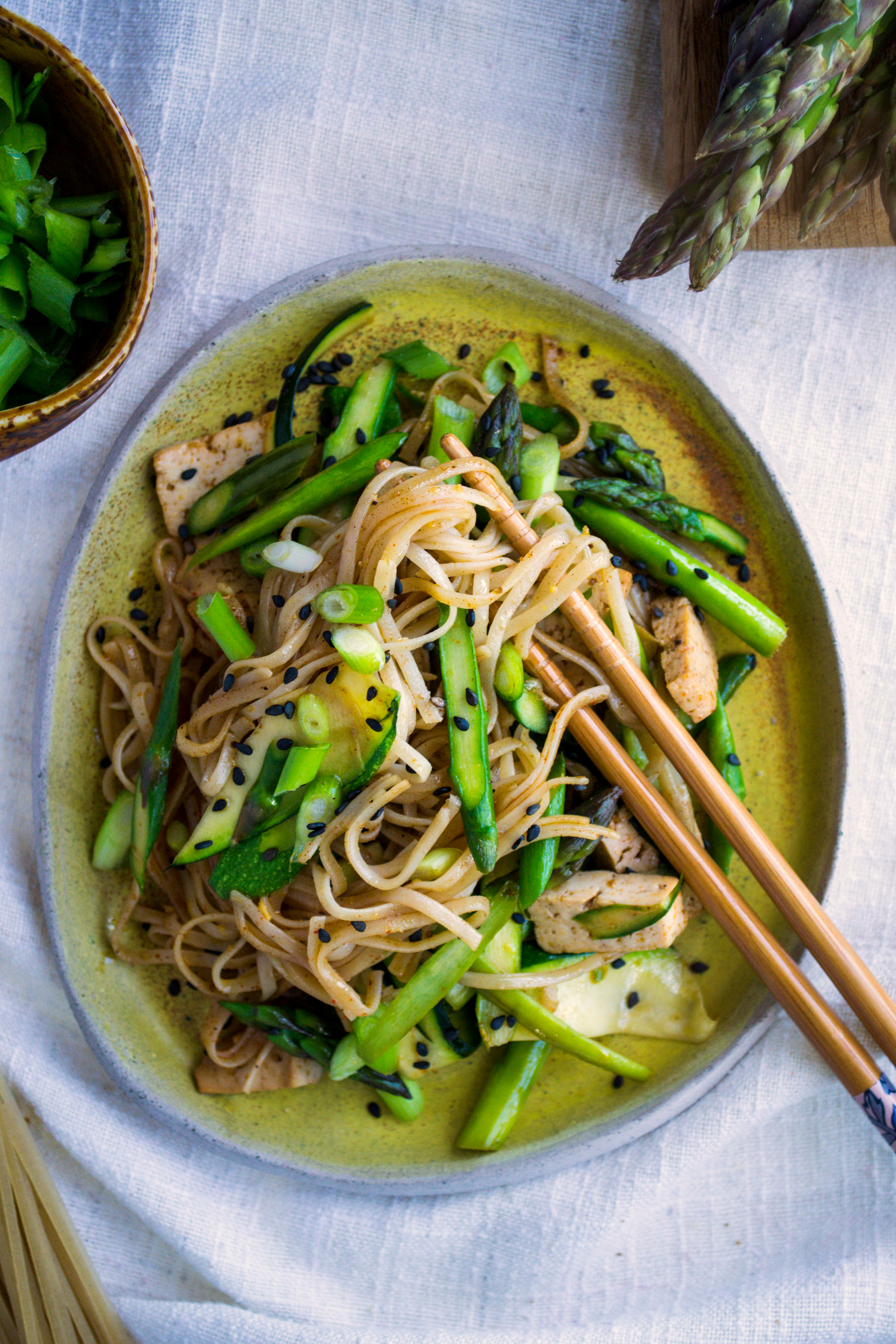
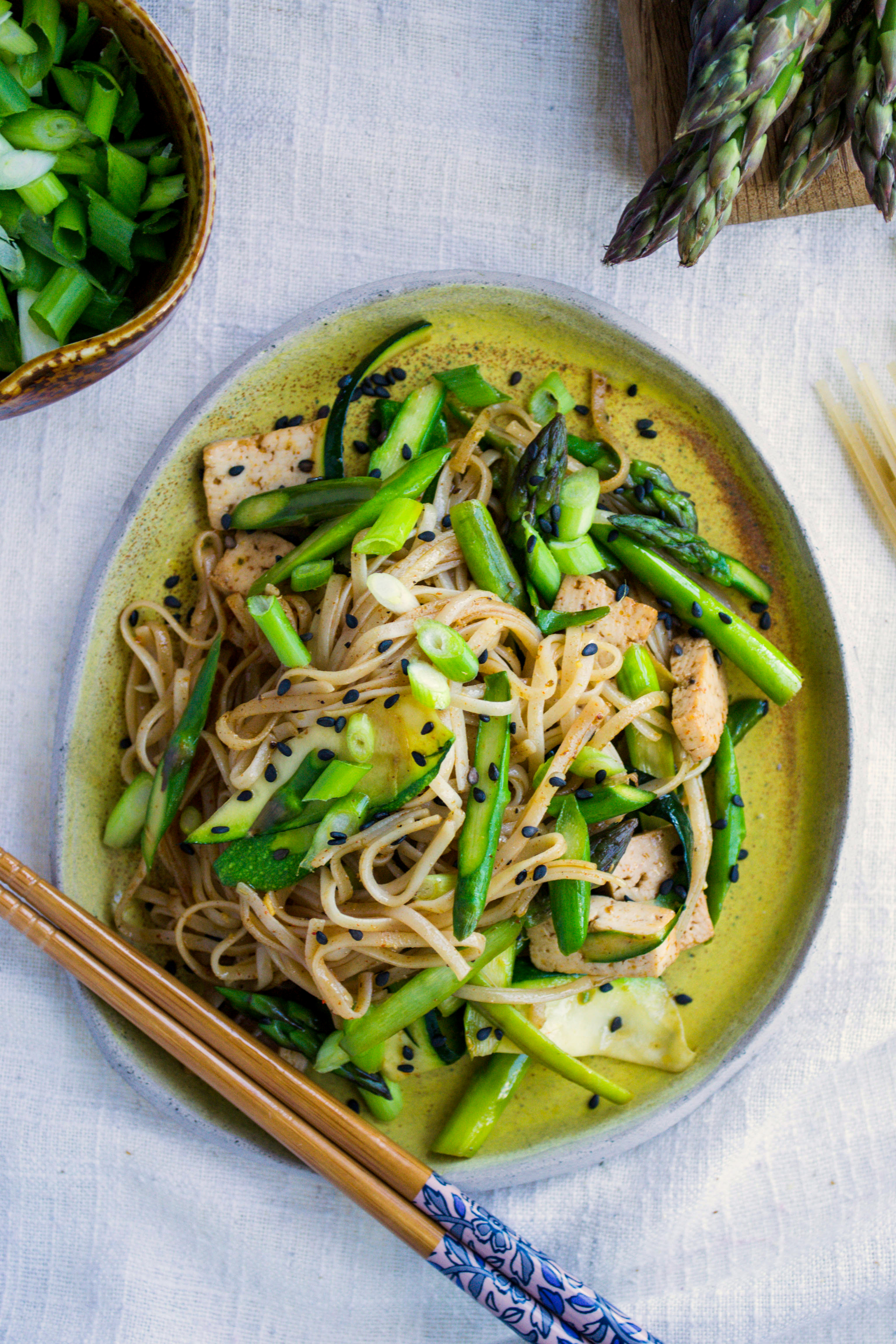
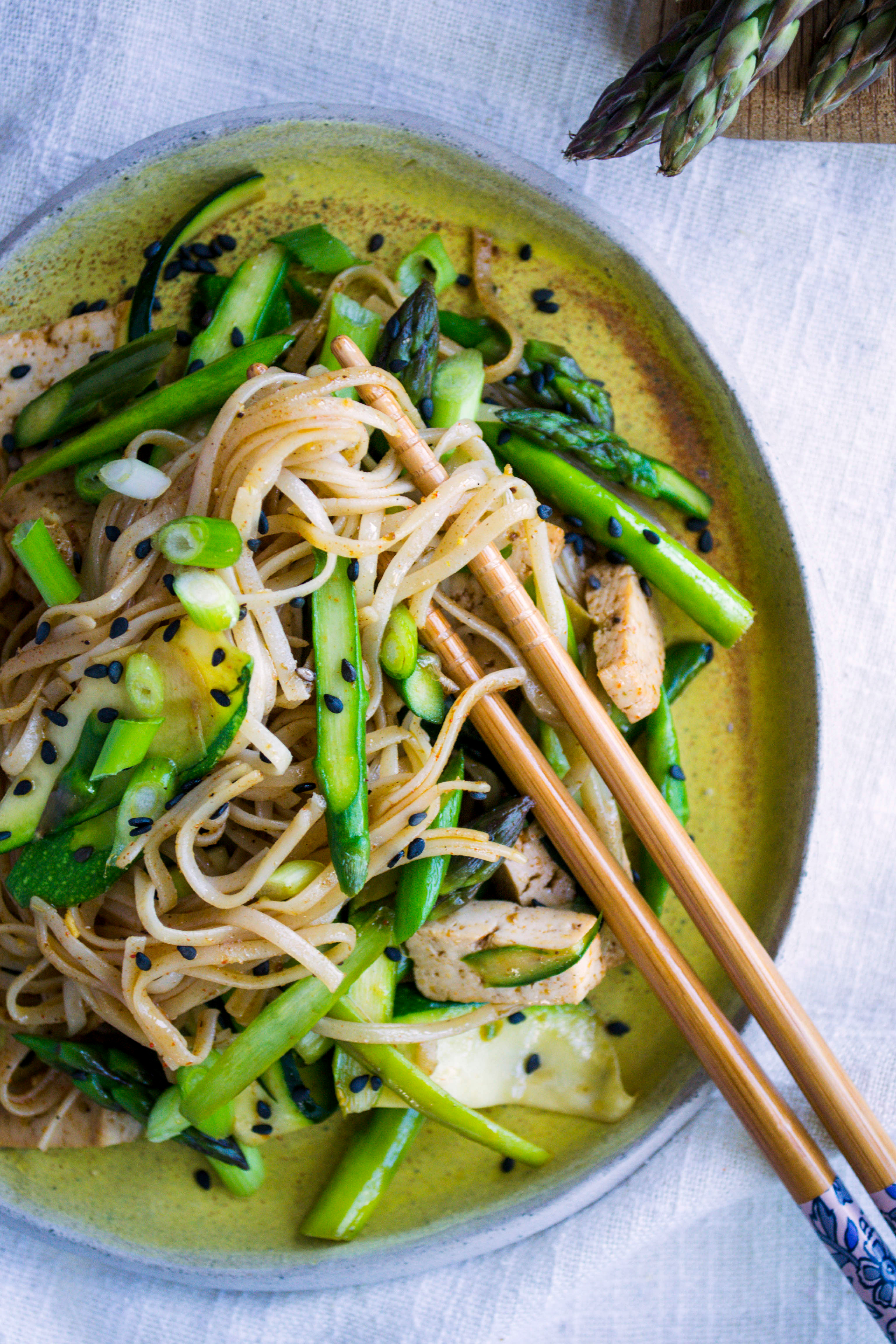
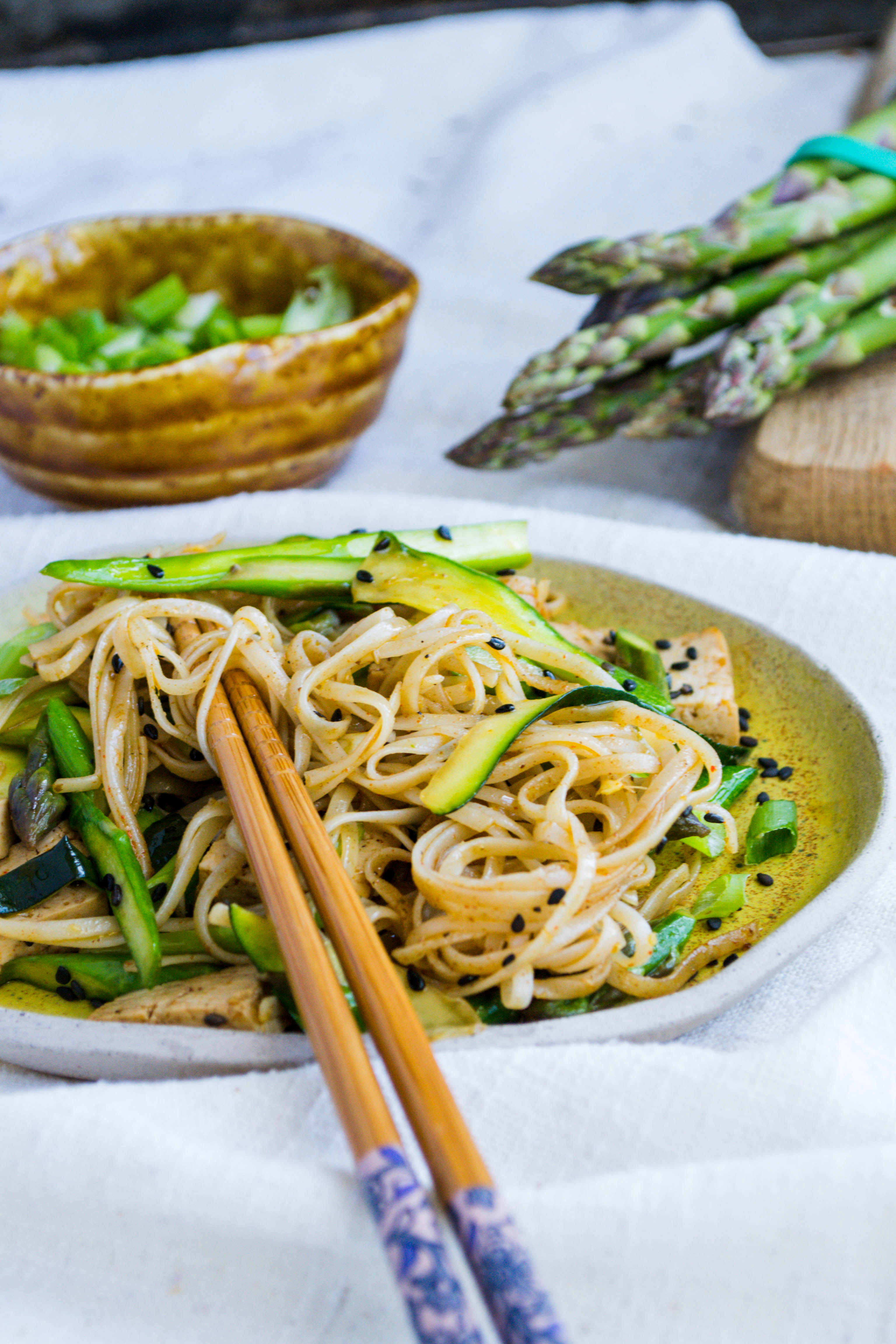
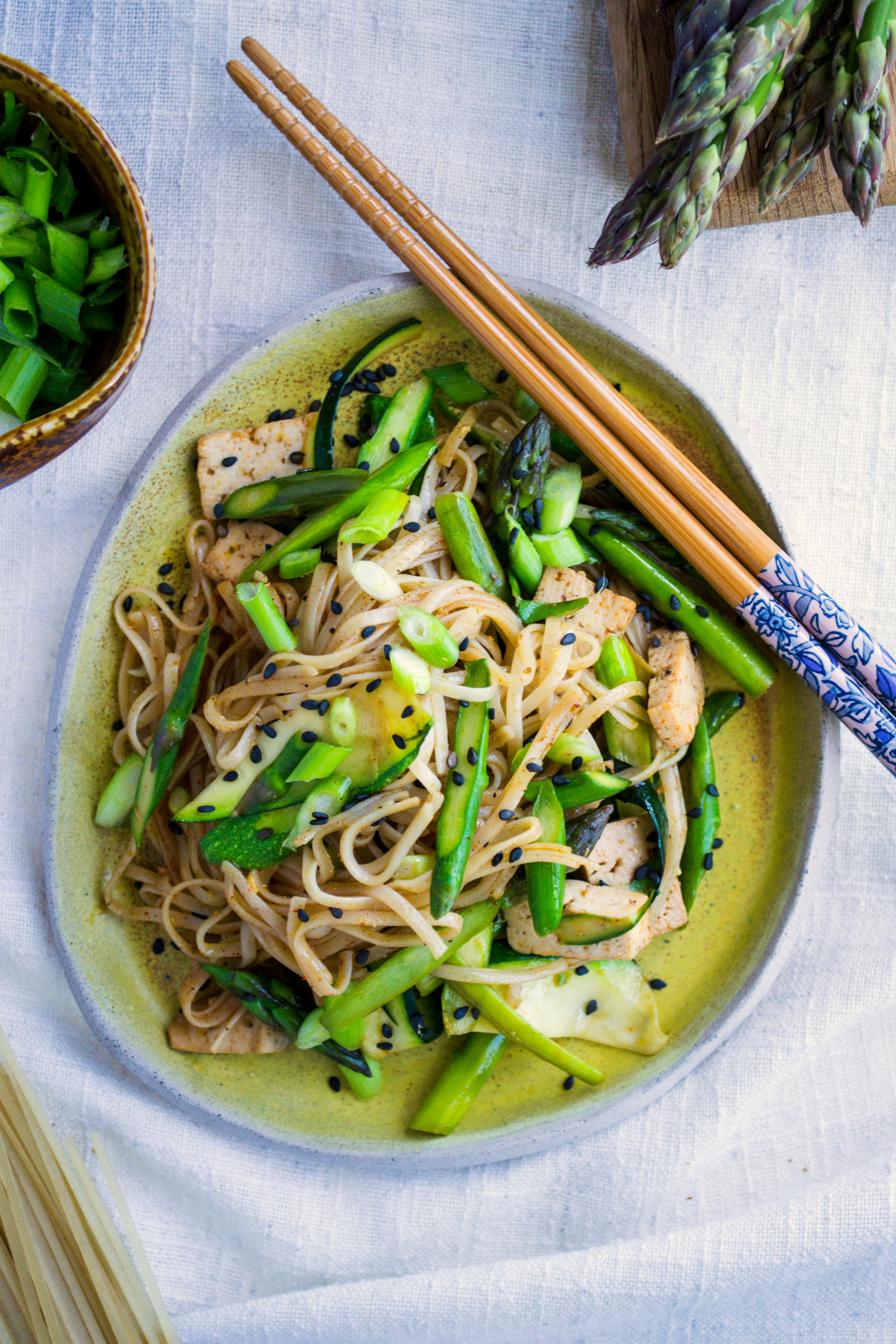
LET’S GET PRACTICAL! Here there is a simple recipe that will help you to fall in love with asparagus – it’s simple, rich in flavour, and really quick to prepare. You can use your favourite noodles, I have decided to go for the brown rice ones, that are pretty basic, and are a staple in my pantry (you never know when you’ll want to make a bowl of ramen or a stir-fry!).

Hope you’ll like it!

Chiara x

Noodles with asparagus and courgettes

DSC_0122 (2)

DSC_0151

DSC_0081 (2)

Noodles with Asparagus and Courgettes

Ingredients
(serves 2)

  • 1 medium-sized courgette
  • approx. 200 g asparagus
  • 120 g brown rice noodles
  • 100 g plain tofu
  • 1 tbsp tamari
  • 1 tsp of freshly grated ginger
  • a pinch of black pepper
  • a pinch of hot paprika
  • black sesame seeds
  • some finely chopped Spring onions (to add on top before serving) – approx. 1 tsp of chopped pieces for each person, but you can also put some in a bowl and leave it on the table
  • extra virgin olive oil

Cut the vegetables (courgettes and asparagus) in thin slices (leave the tops of asparagus as they are) – chop the tofu into small cubes and mix it with the tamari, black pepper and paprika. Heat a little bit of olive oil in a pan and then cook the tofu until it starts to get golden brown on the outside, then add the vegetables, mix well, and keep cooking for a minute (the vegetables are thin and you want to keep them crunchy).

Cook the noodles in boiling water following the instructions on the package and when they will be ready, rinse with cold water, drain the excess of liquid, and add them to the pan – add also the grated ginger, mix well, and get ready to serve. Add a little bit of olive oil just before serving, together with black sesame seeds, and some finely chopped raw Spring onions.


Would you like to start having a diet and lifestyle that are a real support for your well-being? Learn how to:

CELEBRATE your body
TAKE GOOD CARE of yourself
LOVE the food that you CHOOSE to put on your table

Need help to get started? Click on the button below:

BOOK NOW

5 simple ways to start having a “zero waste” kitchen

(read in Italian)

There are plenty of ways in which you can easily reduce waste in your home and use less plastic or single-use objects: the kitchen can be a great starting point for this kind of changes. I truly see as part of a lifestyle that is a real support for my well-being, even things such as:

  • being creative in the kitchen: useful not only to reduce waste but also to keep learning and remain curious about food (find here 5 simple and delicious recipes made with leftovers)
  • re-connecting with the nature around me
  • taking more conscious choices and being more aware of what we can do to reduce our negative effects on the planet

It’s always a good idea asking yourself from time to time “is my lifestyle exactly how I’d like it to be?“, “what can I change/improve?“, “if right now I’d take a step back and look at my lifestyle from a different perspective, what would I notice?”, etc.

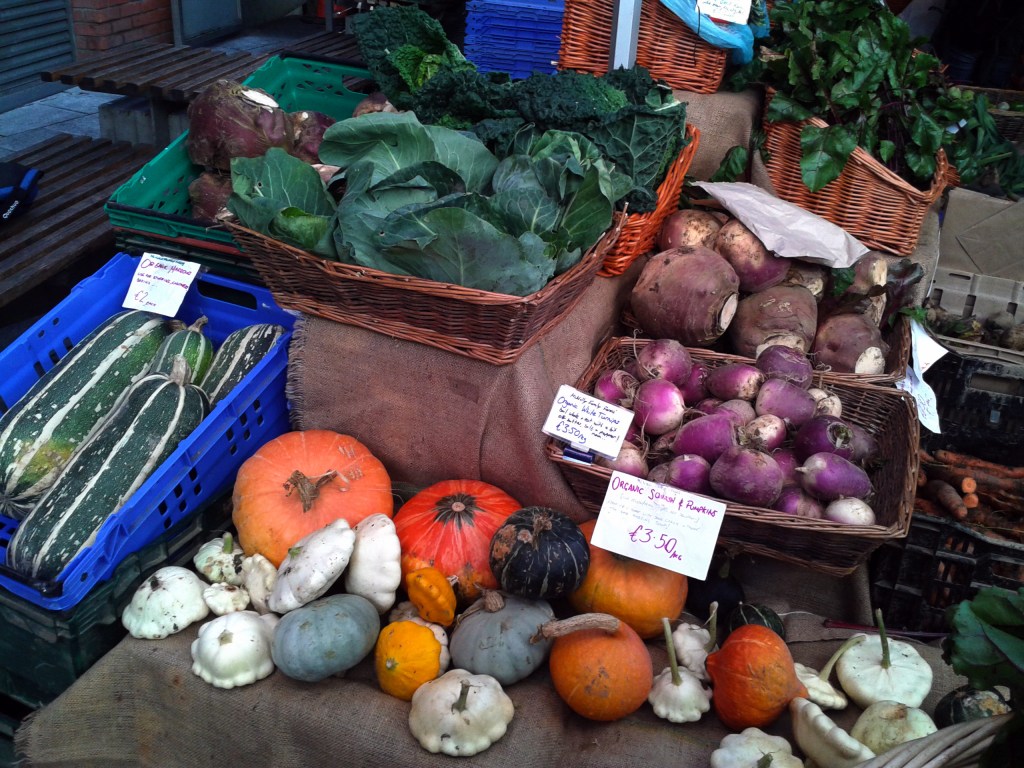
Food market in Dublin
5 simple ways to start having a zero waste kitchen

Let’s talk about 5 ways to start having a more Earth-friendly lifestyle

1) GET CREATIVE, SAVE MONEY, AND REDUCE WASTE

You can put this idea into practice in several ways. For example:

  • leftovers can be a chance to have some food ready for your next meal or a starting point to get more creative in the kitchen
  • since cereals or legumes can have quite long cooking times, you can decide to prepare more than what you need for 1 meal and store them (plain) in the fridge for a few days: in this way, they’ll be ready whenever you need to put together a quick meal
  • start cooking more from scratch: obviously, there’s no need to suddenly go from only putting together a toast to start making bread, yogurt, tomato sauce, and fresh pasta for all your family every day! Start doing it step by step, following your own schedule, cooking skills, and needs: there’s always room for improvements!
  • start discovering food markets, local producers, organic products, and seasonal foods. It’s a good way to reduce waste (usually in a food market most of the products have less packaging), eat more according to the seasons, and get involved in all the social part that’s around food markets
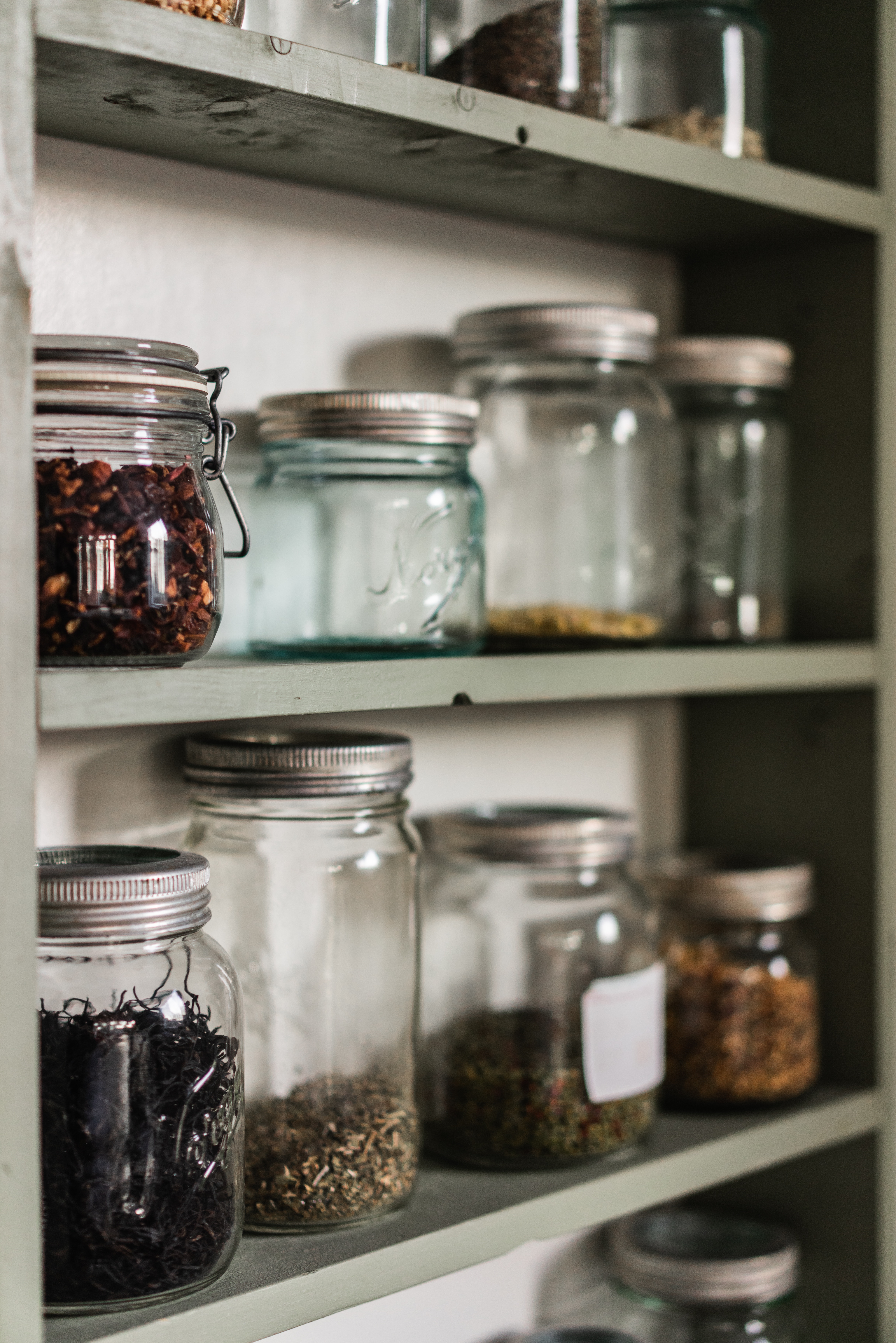
  • do you have some empty glass jars? Recycle them properly or give them a new life!
  • when possible, try to buy more products without packaging or avoiding plastic. Try also to think about what are you buying and which kind of packaging are you choosing (an example: “for 2 people, should I get the bigger yogurt (500g) or 6 of the small ones?“)

2) BRING YOUR OWN REUSABLE BAGS

Whenever you plan to go for your grocery shopping, remind yourself to bring the bags with you. It can also be handy having one of them with you all the time: keep it in the car, in your purse or in the pocket of your coat (here there are some examples).

3) RECYCLE

Get organised with the different bins and be sure that everybody in the house knows how to use them. Wondering if you can or can’t recycle something? Check with your local recycling station or have a look online for specific guides made for your city/area.

4) CUT DOWN ON ALL THE SINGLE-USE STUFF

I’m talking about paper towel, cling film, parchment paper, aluminium foil, plastic bags, etc. First, take a step back and check how much of this kind of stuff are you using and start choosing reusable alternatives more often. Here there are some examples:

  • get a few beeswax wraps (there are also alternatives made with soy wax) to cover bowls, plates, or to store an open lemon or watermelon (an example: check out Bee’s Wrap)
  • get a reusable baking mat (here there are some examples)
  • be sure to have always a tea towel and a sponge on hand so it will be easier to swap the paper towel for them for example when you spill something
  • get cotton produce bags and air-tight containers to store everything properly. Some examples: the lunch boxes from Black+Blum, sandwich bags made with the beeswax wraps mentioned above, and reusable silicone bags like the ones from Stasher
  • what do you use to pack your lunch for the office? What can you change/improve? A couple of examples: swap single-use cutlery for a reusable option (you can consider a bamboo set) and get a reusable cup for you coffee on the go (like the KeepCup)

5) GIVE “UGLY” FRUIT AND VEGGIES A CHANCE!

It’s pretty common to choose the apple that looks perfect over one that has some imperfections – we have all done that! But by choosing every time those perfect looking fruit and veggies, you keep sending a message to the shop about customers’ preferences so they will adapt the offer. The result? More waste! So, give those not-so-perfect apples a chance and you’ll find out that they are tasty and nutritious exactly like they are supposed to be!

Now it’s your turn: have a look at your cooking/buying habits and check what you can start improving right now! You can also check out my product recommendations HERE

This post contains affiliate links. This means that I’ll receive a small commission at no extra cost to you if you use one of the links provided. All opinions are my own; I only recommend your products I value and find helpful.

3 Benefits that you can get from being more aware around food

Wondering how being more aware and eating with intention can change/improve your everyday life or your relationship with food and with yourself? Wondering how starting to be truly aware of the entire process of eating and don’t only mindless getting some fuel for your body can make a difference for you? Let’s talk about 3 main benefits that you can get.

DSC_0377

1) RECLAIM YOUR TRUE SELF AND START FEELING YOUR BEST

Starting to be more AWARE of the entire process of nourishing, means working on the connection with your body and the food that you CHOOSE to eat, but it also means that you’ll truly put into practice the idea of moving from eating to nourishing. Learn how to listen and trust your body – start giving it what it needs, and not ignoring the messages that will eventually send you even in the busiest times. Start putting yourself first and love taking care of yourself, so you’ll be able to start felling your best!

2) LEARN MORE ABOUT YOURSELF AND WHAT YOU WANT

Check the difference between “I want to lose weight so I will start a diet next Monday” and “Lately I have been eating too many sweets because I look for them every time that I’m stressed, so I want to sort out this issue at its roots, find a way to de-stress and try new healthier snacks

=> the idea behind the first sentence is looking for a quick fix without questioning the resolution or asking yourself why you should do that and how you feel now or which benefits you will get from accomplishing this goal

=> read again the second sentence. Can you see how this one is not only more complete but is already getting you on a different pathway and motivates you to ask yourself more questions about that idea of losing weight?

  • You don’t need to COMPARE yourself to others
  • You need to be focused on what really matters TO YOU
  • You don’t need to fit into a general resolution but what you should do instead is create INTENTIONS with a non-judgemental approach

Big, bright and shiny resolutions are definitely attractive, but WORKING ON YOURSELF is so rewarding in the long term! Being more aware means start doing this every day and get to know yourself better.

3) START BREAKING UP WITH THE DIETING MINDSET

A few days ago, I was talking with a new client about diets and why they aren’t the right tool to start having a healthier lifestyle or a better relationship with food.

For example: the idea of cheat days – when you have a healthy relationship with food, you don’t need this kind of things. The idea of a restrictive diet for 5/6 days a week and then a free day is only creating more limitations and a wrong mindset: you finally feel free to eat on that day and end up overeating because you know that all those things are NOT ALLOWED on regular days.

  • how can this approach help you to learn more about your body and its needs?
  • how can you truly enjoy your food if the idea is “I NEED to follow these restrictions today, then I will finally eat EVERYTHING that I want on my cheat day“?
  • how can you truly learn to eat with intention, and understand what you like or don’t like?
  • what will you do when your diet will come to an end? Which teachings will you get for your future?

The main goal is generally just one: lose weight. But there are a bunch of things that can help you in reaching your goal and that the classic dieting mindset doesn’t take into account, such as:

  • which are the reasons why you need to lose weight?
  • what else you can do apart from working on the food that you eat?
  • how do you feel about having to lose weight?
  • do you have a healthy relationship with your body?
  • how is your appetite? Do you recognise well when you are full or hungry?

I truly believe that it’s important to check-in with yourself very well before starting a journey like this one or any other wellness-related programs. You need to be aware of what can be disruptive for your mindset and what can help you in MOVING FORWARD.

Unfortunately, it’s so easy to lose confidence in your body or your food choices, and feeling like you are NOT ENOUGH… but, on the other hand, it’s not so easy to get back having a positive, strong and motivated mindset. So, try to PUT YOURSELF FIRST every day, try to choose what is best for you with a critical point of view and start being more AWARE. It’s NOT wasted time!

REMEMBERif you are not willing to take action, you can’t expect the results that you are looking for!

Chiara x


Would you like to start having a different approach to WHAT YOU EAT AND WHY YOU CHOOSE IT? Are you ready for a change but need some help to get started? Click on the button below to take the first step:

I’M READY!


Latte d’Oro

Cos’è il latte d’oro? Se vi è capitato di provarlo, sapete bene perchè al suo nome viene aggiunto l’appellativo “d’oro”. Questa bevanda calda dal colore brillante è infatti una preparazione a base di curcuma, che le dona il suo classico tono giallo. Il latte alla curcuma è una classica preparazione Ayurvedica ed è veramente facile da fare – una ricetta più tradizionale di quella che leggerete qui sotto, prevede sia l’utilizzo dell’olio di mandorle dolci (quello per uso alimentare), sia la preparazione di una pasta di curcuma che si può poi conservare in frigorifero e sciogliere nella porzione di liquido calda ogni volta che se ne vuole preparare una tazza. Questa è il metodo che ho seguito la prima volta che ho preparato il latte d’oro anni fa: l’olio di mandorle non mi è piaciuto per niente e devo ammettere che è stato difficile finire la bottiglia, che fortunatamente era piccola! Nonostante questo inizio non previsto, successivamente ho trovato un modo che mi piaceva per preparare il latte d’oro e mi sono innamorata di questo sapore del tutto unico. Inoltre, non dimenticate che gli ingredienti presenti nella vostra tazza lavoreranno insieme in maniera sinergica per aumentare il valore nutrizionale di questa bevanda.

Potete anche adattare un po’ la ricetta secondo i vostri gusti – le cose sui cui potete lavorare principalmente sono:

  • la quantità di curcuma (specialmente se non l’avete mai provato prima, vi suggerisco di iniziare con una quantità più piccola di quella che c’è scritta nella ricetta)
  • parte liquida: potete usare una bevanda vegetale o qualsiasi tipo di latte oppure un mix di uno di questi ed acqua 1:1 (a me piace molto preparlo con bevande vegetali e mandorla/anacardi/nocciole sono quelli che, secondo me, si abbinano meglio)
  • questa è una ricetta di base, ma potete decidere di aggiungere altre spezie (ad esempio il cardamomo (tritato in una polvere fine) o dei chiodi di garofano (messi in infusione nella parte liquida) o della vaniglia)
  • potete scegliere se usare la cannella come polvere o stecca
  • se usate una parte liquida molto diluita o se avete deciso di utilizzare solo acqua come base: potete aggiungere al vostro latte d’oro 1/3 di cucchiaino di ghee o di olio di cocco o 1/2 cucchiaino di olio extra vergine d’oliva – la presenza di una piccola quantità di grassi, migliorerà l’assorbimento dei principi attivi della curcuma
  • la ricetta che trovate qui sotto è per un latte d’oro non dolcificato – se volete, potete aggiungere 1/3 di cucchiaino di miele nella tazza quando sarà pronto (specialmente se non l’avete mai provato). Tenete comunque a mente di provarlo senza aggiunta di zuccheri ed usare questa occasione come una possibilità per imparare qualcosa di nuovo sulle vostre papille gustative!

La curcuma è nota per le sue proprietà antinfiammatorie ed il latte d’oro faceva tradizionalmente parte dello stile di vita delle persone che praticavano yoga, come supporto per il benessere delle articolazioni. Se volete saperne di più sulle proprietà della curcuma, pubblicherò presto un post con tutti i dettagli che vi possono essere utili per capire meglio questa spezie e trarne il massimo beneficio – date quindi un’occhiata alle mie pagine social prossimamente per non perderlo!

DSC_0194-2

DSC_0229

DSC_0360-2

LATTE D’ORO

Ingredienti per 1 tazza:

250 ml bevanda alla mandorla o nocciola o anacardi (non zuccherata)
1/2 cucchiaino di curcuma in polvere (abbondante)
un pizzico di cannella in polvere
un pizzico di pepe nero

Potete decidere di mischiare tutti gli ingredienti nel momento in cui volete preparare il latte d’oro, oppure potete prepare una pasta alla curcuma da aggiungere alla parte liquida calda (mischiate 1 parte di acqua, 2 di curcuma ed un po’ di pepe nero in una piccola pentola finchè la pasta non sarà calda e senza grumi – lasciatela raffreddare e conservate questa pasta in frigorifero in un contenitore chiuso fino a 4 giorni).

Golden Milk

(read in Italian)

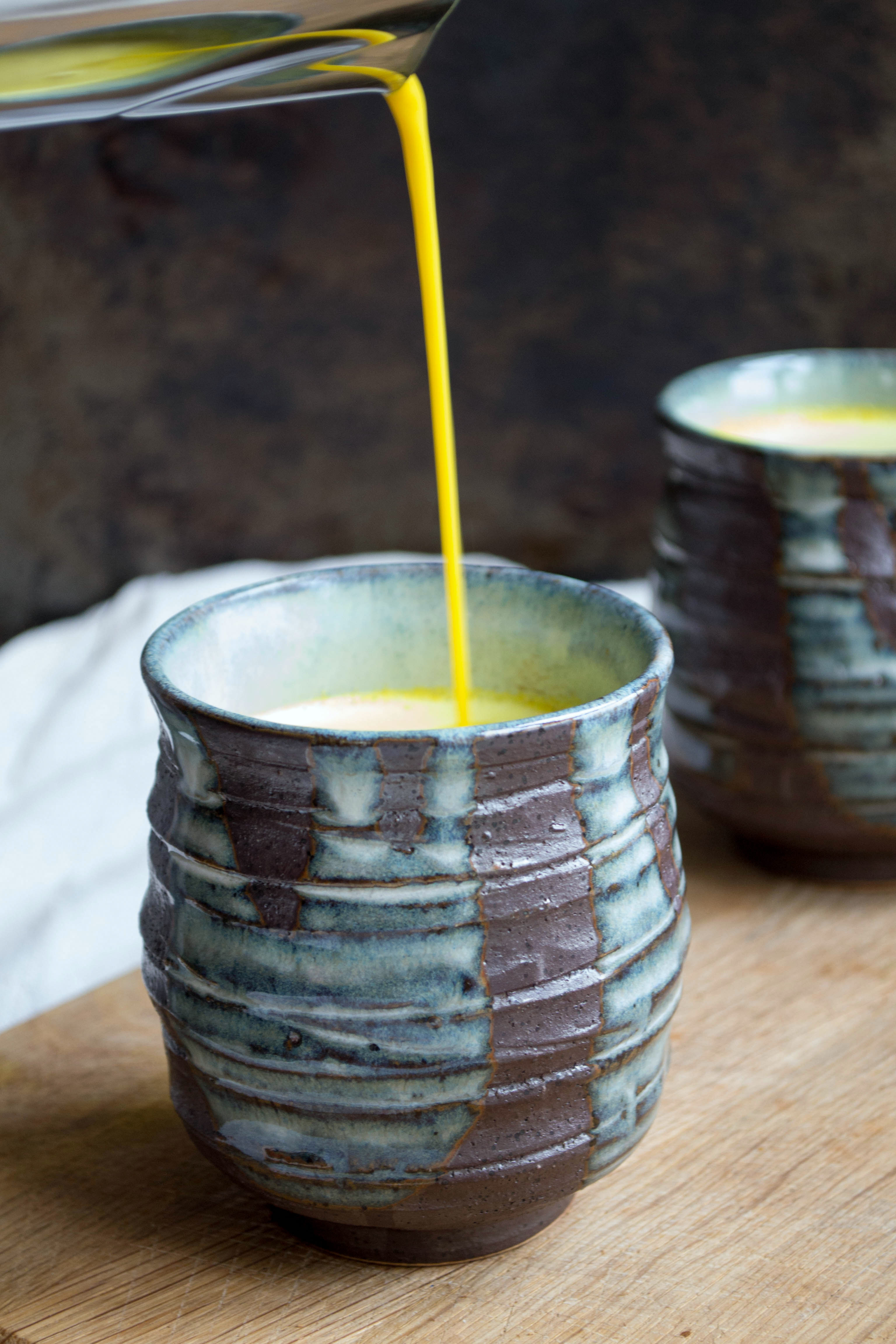
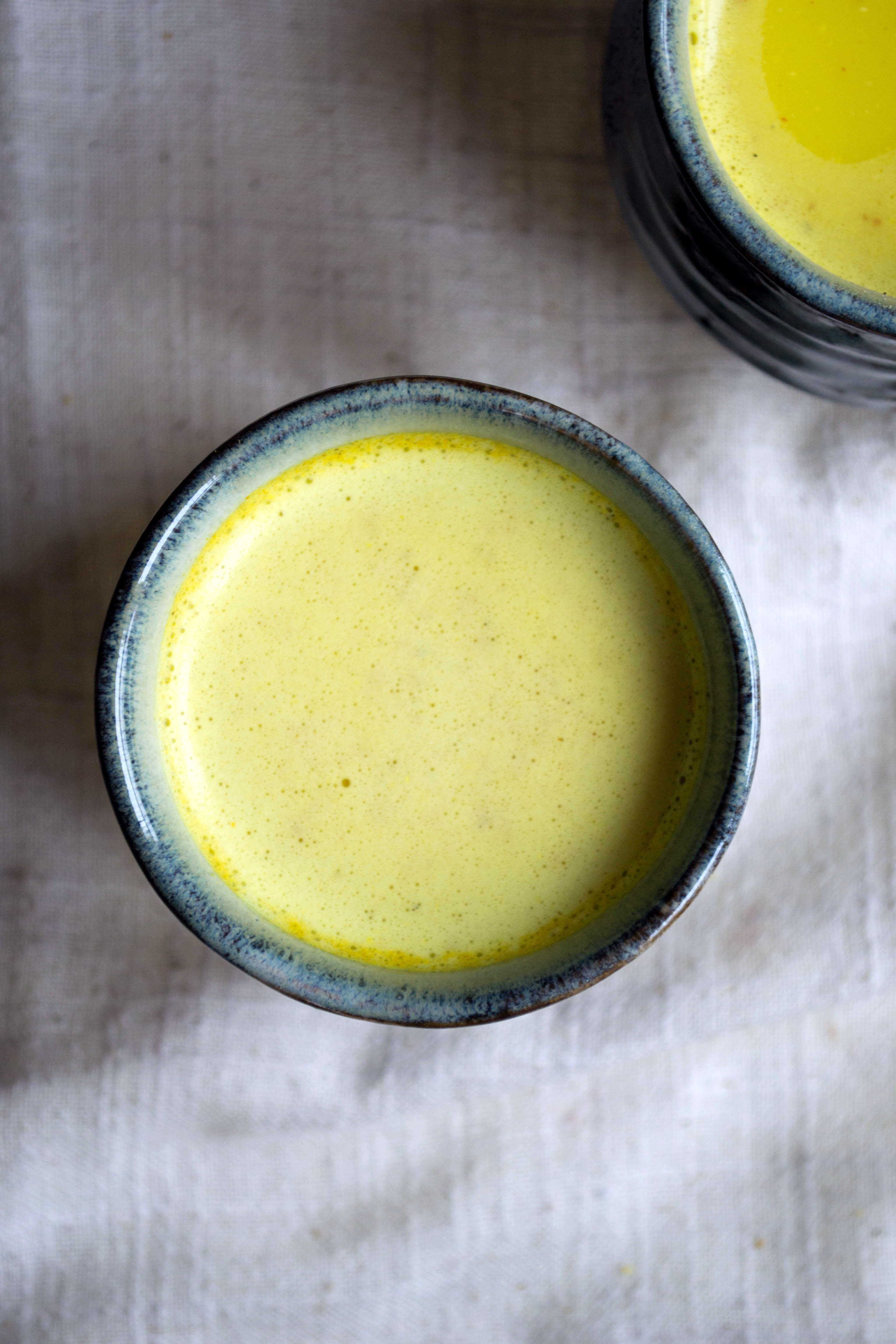
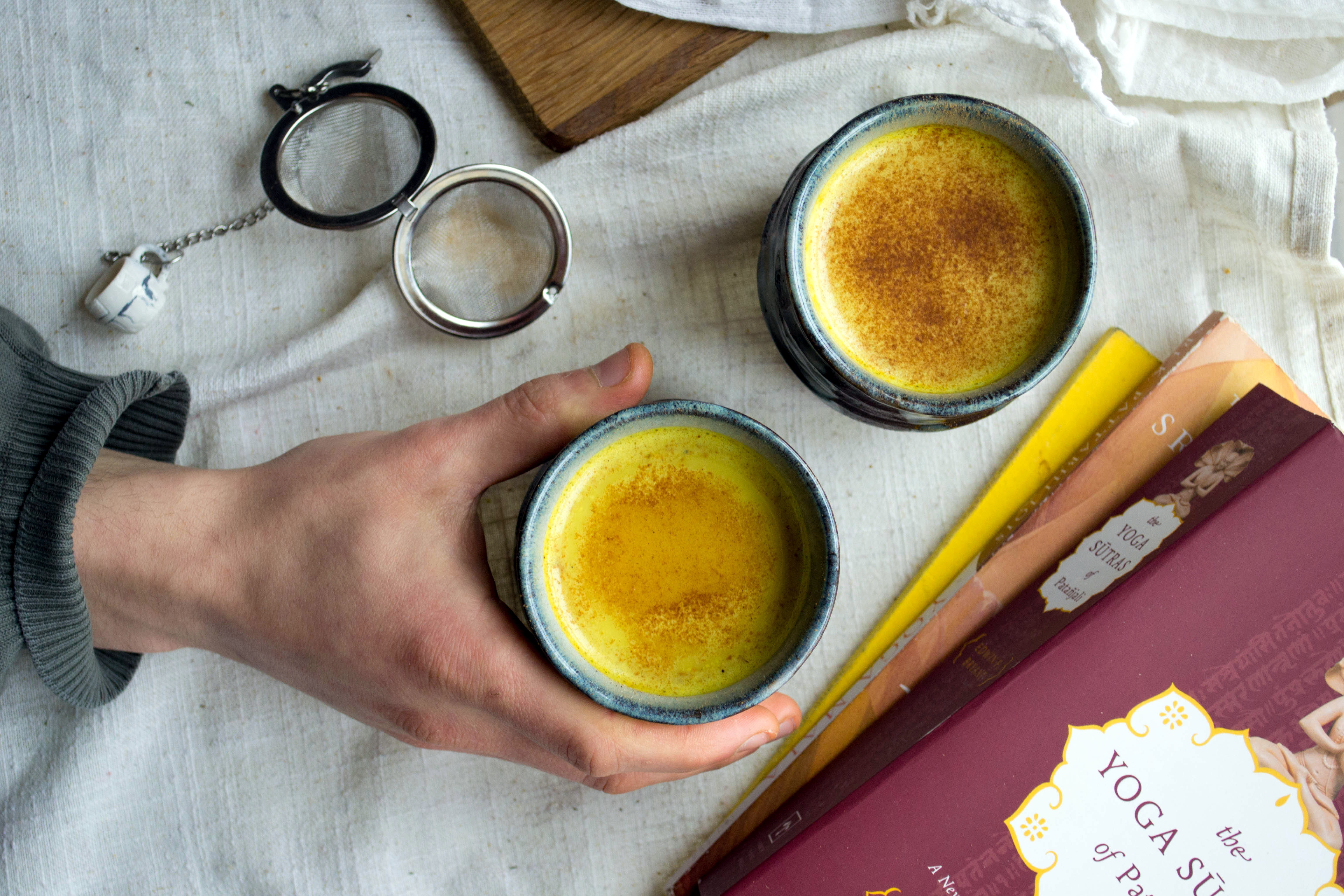
What is golden milk? If you have ever tried it, you know well why it’s called “golden”. This brightly colored warm drink is indeed based on turmeric, that gives it the typical yellow finish. It’s a classic Ayurvedic preparation and really easy to make – a more traditional recipe uses both almond oil (food grade) and a turmeric paste that you can make ahead then store in the fridge and dissolve in a cup of warm liquid anytime you want. When I have made it for the first time years ago, I have followed this recipe and didn’t like the almond oil at all… it has been really difficult to empty that (luckily) little bottle! Well, after this disappointing start, I have found my own way to make golden milk and I’ve felt in love with its flavor. The ingredients in your cup will work together to increase the nutritional value of this warm drink.

You can also slightly adapt the recipe to your taste buds – the main things that you can change are:

  • amount of turmeric (especially if you have never tried it, I would say that’s better to use a little bit less than what’s written in the recipe)
  • liquid: you can use a plant-based drink or any kind of milk or a mix of one of these and water 1:1 (I like to make it with plant-based drinks and almond/cashew/ hazelnut are my favorite options to choose from)
  • this is a basic recipe, but you can decide to add other spices (for example cardamom (crushed into a powder) or cloves (making an infused milk) or vanilla powder)
  • you can choose between powdered cinnamon or use it as a stick
  • if you are using a liquid that is very diluted or you have decided to go for water as base: you can add 1/3 tsp of ghee or coconut oil or 1/2 tsp of extra virgin olive oil to the golden milk – you will do this to ensure that you have a certain amount of fat to improve the absorption of turmeric
  • the recipe below is for an unsweetened golden milk – if you’d like to add 1/3 tsp of honey when the drink is ready (especially if you have never tried it), go ahead. But keep in mind to try it without any sweetener and use this as a chance to learn something more about your taste buds!

Turmeric is widely known for its anti-inflammatory properties and the golden milk was traditionally used by people practising yoga to support their joints’ health.

DSC_0194-2

DSC_0229

DSC_0360-2

GOLDEN MILK

Ingredients to make 1 cup:

250 ml hazelnut or almond or cashew drink (unsweetened)
1/2 tsp turmeric powder (heaping tsp)
a pinch of cinnamon powder
a pinch of black pepper

You can mix all the ingredients when you want to prepare your cup of golden milk or decide to prepare ahead a turmeric paste (mixing 1 part of water, 2 of turmeric, and some black pepper in a small pan until it’s warm and without lumps – allow to cool down and store in the fridge for up to 4 days) to add to the warm milk.

Kitchari

(recipe in Italian HERE 🇮🇹 – fa parte della mia collaborazione sull’alimentazione consapevole con Gaia di The Green Pantry)

Who knows Kitchari? Or it’s even better to ask… who else loves it? Because this is what happens when you try it for the first time, you suddenly fall in love with this nourishing and simple preparation. Kitchari is a classic Ayurvedic recipe to support your body’s natural balance. It’s a great option when you need to reconnect with your body and you’re looking for an easy (and healthy) way to rebalance – for example, in between seasons, after a stressful time, or in a period with several occasions for overindulging with food.

You can check out my version for this deliciously simple soup below. This is actually only one of the ways in which I prepare Kitchari – not only I try to change the spices and vegetables, especially according to my own needs or to the seasons, but I also sometimes decide to blend part of the mung beans (usually half of them, to get an extra creamy texture). Every time I have some Kitchari left from the day before (a rare occasion!), I try to change it a little by adding extra fresh veggies.

Hope you’ll like it! Chiara x

Kitchari.jpg

DSC_0190-2
DSC_0509

KITCHARI

Ingredients:
(x 2)
2 parts of yellow mung dal beans (approx. 100 g)
1 part of brown basmati rice (approx. 50 g)
4 medium-sized carrots
1 shallot
2 bay leaves
1 cardamom pod (open it)
½ tsp cumin seeds
1/3 tsp fenugreek seeds
½ tsp fennel seeds
1 tsp turmeric
1/3 tsp cinnamon powder
5-6 coriander seeds
a pinch of black pepper
ghee or extra virgin olive oil
fresh coriander or parsley to use as a topping
optional: chopped spinach, kale, or other dark leafy greens

Preparation:
Heat 1 tsp of ghee or ½ tbsp of olive oil in a pot over a medium heat. Add the chopped shallot and stir until it turns golden. Add the yellow mung beans (previously rinsed with water) and mix well. Add enough water to keep everything covered. Add also the bay leaves and crushed fennel seeds (half of the total amount that you are using for this recipe). While they are cooking, keep adding water in small amounts to be sure that there won’t be water left when they will be ready. After approx. 20 minutes, add the finely chopped carrots, rice, and turmeric. Mix well. Cook for approx. 20 minutes or until everything is cooked and start to become quite creamy. If you are also using
some finely chopped dark leafy vegetables, add them almost at the end (cook for approx. 5 minutes).

To prepare the mix of spices: heat in a pan ½ tbsp of olive oil or 1 tsp of ghee and add the spices (at this stage, you have already used turmeric, bay leaves, and half of the fennel seeds – so just use what is left on the list). Stir well until fragrant. You can crush them in a mortar before or after toasting them. Add your mix of spices into the Kitchari and mix well – remove the bay leaves.

When the Kitchari is ready, turn off the heat – leave to rest in the covered pot for 5 minutes before serving. You can serve it by itself with just a little bit of olive oil on top or you can decide to use some fresh parsley and/or a dollop of yogurt as a topping.


Talking about FODMAPS

WHAT ARE FODMAPS?
Fodmaps are short-chain carbohydrates that some people poorly absorb and digest
=> so in some people, they can cause digestive issues and aggravate the symptoms of conditions like IBS (for these individuals the fodmaps pass through most of the intestine remaining unchanged).

WHAT DOES FODMAPS MEAN?
FODMAPS = Fermentable Oligo-, Di-, Mono-saccharides and Polyols

FERMENTABLE: compounds that are broken down by bacteria in the large intestine
OLIGOSACCHARIDES: simple sugars connected together (in a polymeric structure)
DISACCHARIDES: double sugar molecule
MONOSACCHARIDES: single sugar molecule
POLYOLS: sugar alcohols

EXAMPLES OF HIGH FODMAP FOODS?*
Garlic, onions, beans, fermented cabbage, ripe bananas, dates, pears, apples, figs, cherries, peaches, wheat flour, spelt flour, semolina, rye, cashews, sweeteners, honey, agave milk, yogurt.

EXAMPLES OF LOW FODMAP FOODS?*
Squash, kale, ginger, courgettes, eggplant, carrots, olives, unripe bananas, kiwi, grapes, papaya, orange, beef, lamb, turkey, chicken, fresh cod-salmon-trout, crab, mussels, prawns, oats, rice, quinoa, buckwheat, millet, walnuts, butter, eggs, tofu, oils, cacao.
[*source: ibsdiets website]

dragne-marius-117368-unsplash.jpg

The LOW FODMAP diet has been studied especially in relation to people suffering from IBS and seems to be helpful in improving their quality of life (IBS = irritable bowel syndrome, a digestive disorder). A low fodmap diet can also be beneficial for people with other digestive-related diseases.

It’s IMPORTANT to remember that FODMAPS ARE NOT bad from a general point of view. But knowing more about them is a big step for people suffering from conditions affecting their digestive system.

IBS or other digestive issues can be not only difficult to manage, but also frustrating and cause of embarrassment. So, it’s even more important than usual for the people who are affected from this kind of health issues, to build a good relationship with their body, being able to love the food that they choose to put on the table, and feel a little bit more in control of how food affects their days. Things that can help: knowing your triggers (both regarding food and lifestyle), keeping a food diary, trying new ingredients or recipes (but also different portions) and keep track if they worked well for you or not.


Questions? Would you like to know how I can help you?Let today be the start of something NEW (44)

dragne-marius-117368-unsplash.jpg

Pasta with Tuna and Blood Oranges

I’ve prepared this pasta for the first time on a busy day in which I needed a quick solution for lunch and there were barely no veggies left in the kitchen… so I needed to come up with something new! What about mixing pasta, tuna and blood oranges? I had only 1 orange left, so I have used that one (plus some finely chopped orange peel) and some tuna: the pasta turned out ok, but it needed some major changes! What you will read below is an improved version of that original recipe: now you have a bowl of pasta tossed with a creamy sauce, rich in flavor and with a little bit of crunchiness coming from the pumpkin seeds – still quick and easy to make!

Hope you’ll like it! Chiara x

PASTA WITH TUNA AND BLOOD ORANGES

Ingredients
(x 2)

  • 140 g pasta of your choice (here I have used some whole grain spaghetti and their flavor pairs pretty well with the sauce)
  • 3 blood oranges (peeled)
  • zest of 1/3 orange (if oranges are organic, otherwise you can use some organic lemon zest)
  • approx. 70 g of tuna (canned)
  • 2 tbsp tahini
  • 2 tbsp pumpkin seeds
  • 1 tsp ginger powder
  • 1/2 tsp garam masala
  • a pinch of cayenne pepper
  • a pinch of salt
  • extra virgin olive oil

Prepare the toasted pumpkin seeds and chop them finely. Peel the oranges (keeping some zest for later) and place them in a blender (remove the seeds before blending your oranges). In a pan, warm up your orange sauce with 2 tsp of tahini and the spices – mix well the tahini into the warm sauce to get a smooth texture and cook for approx. 5 minutes or even less, until you don’t get a creamy sauce. When the sauce is ready, stir in the tuna, half of the seeds and mix well (add also a little bit of olive oil if your tuna doesn’t have it). While you’re preparing the sauce, cook your pasta “al dente”, rinse it once with some cold water and drain it well. Add the pasta to your pan and mix it well with the sauce. Add some olive oil before serving and sprinkle some extra seeds on top.


Would you like to start being MORE CREATIVE in the kitchen, trying new ingredients or recipes that will help you to reach your nutrition GOALS? Click now on the button below to book your first FREE consultation with me:

SCHEDULE A FREE CONSULTATION

Chickpea Flour and Kefir Pancakes

It’s that time of the year once again, the Carnival season is almost at the end and most of us are getting ready for Pancake Tuesday or Fat Tuesday (depending on where you live). From my point of view, pancakes should be something that you can easily cook and fit into your healthy lifestyle: in such a simple way, you can turn a regular weekday breakfast into something special, even when you don’t have too much time (and yes, you can make them in advance). Prepare a batter using nutrient-rich whole foods, experiment with different flours or combinations, try to add some colour to your pancakes (beetroots, spinach, kale, cacao, turmeric… just to name a few)… then pair them with simple toppings that will add extra nutrients to your breakfast (yogurt, kefir, nut butter, fresh and seasonal fruit, salmon, cheese, avocado, etc… GET CREATIVE!).

For this recipe, I have prepared some simple crepes-style pancakes using only a few ingredients and they are filled with a delicious raw orange cream. In addition, I have used some dark chocolate and fresh fruit as toppings.

An alternative: you can use the same recipe to make some delicious fluffy pancakes – adjust the batter using less water since you’ll need a thicker one (then I use 3 tbsp of batter for each pancake).

Hope you’ll like them as much as I do! Chiara x

DSC_0031-2.jpg

DSC_0486.jpg

DSC_0500.jpg

Chickpea Flour and Kefir Pancakes

Ingredients

(makes 6-7 large crepes-style pancakes)

For the batter:

150 g chickpea flour

100 ml plain kefir

300 ml water

1 tsp baking powder

½ tsp extra virgin olive oil (for cooking)

For the cream:

2 blood oranges

5 dried apricots

1 ½ tsp ginger powder

Toppings:

some dark chocolate (85% or higher)

1 apple

1 small banana

To make the batter: in a medium-sized bowl, combine the flour, kefir, water, and the baking powder. Stir until there are no lumps (add the water slowly in small portions – check if and when your batter needs more water). Let it rest for 5-10 min. Add more water if needed (the batter will be pretty liquid, to allow you to make these large and thin pancakes). Heat a frying pan, preferably a non-stick one, on a medium heat with ½ tsp of extra virgin olive oil. Use 5 tbsp for each pancake, moving the pan until the batter is evenly distributed and using a spoon to help you. Cook each pancake until it can be easily flipped with a spatula. Keep the batter well mixed. Using these quantities, you will be able to make approx. 6-7 pancakes (I usually consider 2 of them as serving size, and prepare more to use for a quick lunch or another breakfast – they keep well in the fridge for up to 3 days).

To make the orange cream: the recipe is similar to one that I have already published on these pages. Peel the oranges, chop them into small pieces and blend them with the chopped apricots and ginger (you can add in the blender some zest as well if you’re using organic oranges). Place the cream inside the pancakes or use half as filling and half as a topping.


NEED HELP in starting your journey toward a healthier diet and lifestyle? Let’s have a chat! Click on the button below to book your FREE diet evaluation call

BOOK NOW