Granola all’arancia

(read in English)

Anni fa, una delle prime cose che ho iniziato a cucinare in casa con regolarità partendo dagli ingredienti di base, è stata probabilmente la granola. Spesso non ero soddisfatta con le opzioni che trovavo nei negozi, così ho iniziato a sperimentare varie combinazioni e gusti preparati seguendo le mie preferenze. Fare la granola in casa è semplicissimo ed è un ottimo modo per inziare ad essere più creativi in cucina.

Al momento non preparo la mia granola ogni settimana, visto che sia a me che al mio ragazzo piace variare ciò che mangiamo per colazione ed essere creativi seguendo sia il nostro intuito (ed i messaggi del corpo), che la stagionalità dei prodotti, ma ogni volta che la cucino è sempre un piacere avere un bel barattolo di granola appena fatta ed essere in grado di scegliere tutti i vari ingredienti.

Il bello della granola (ed un altro motivo per cui ho deciso di utilizzarla come prima ricetta da condividere sul blog) è che mi porta alla mente anche dei ricordi che mi fanno sempre sorridere: come le colazioni durante le vacanze in montagna con il mio ragazzo, con yogurt fresco, frutta appena colta, e tanta granola croccante. O anche quando, anni fa, mi capitò di parlare di granola con un’amica, che iniziò poi a prepararla in casa a sua volta… anche quando aspettava la sua prima bambina e mi scriveva dicendo che un giorno sarebbe diventata una bellissima attività di famiglia!

E tu? Hai qualche storia speciale riguardante la preparazione in casa della granola? Passa dalla mia pagina Instagram e raccontamela! Chiara x

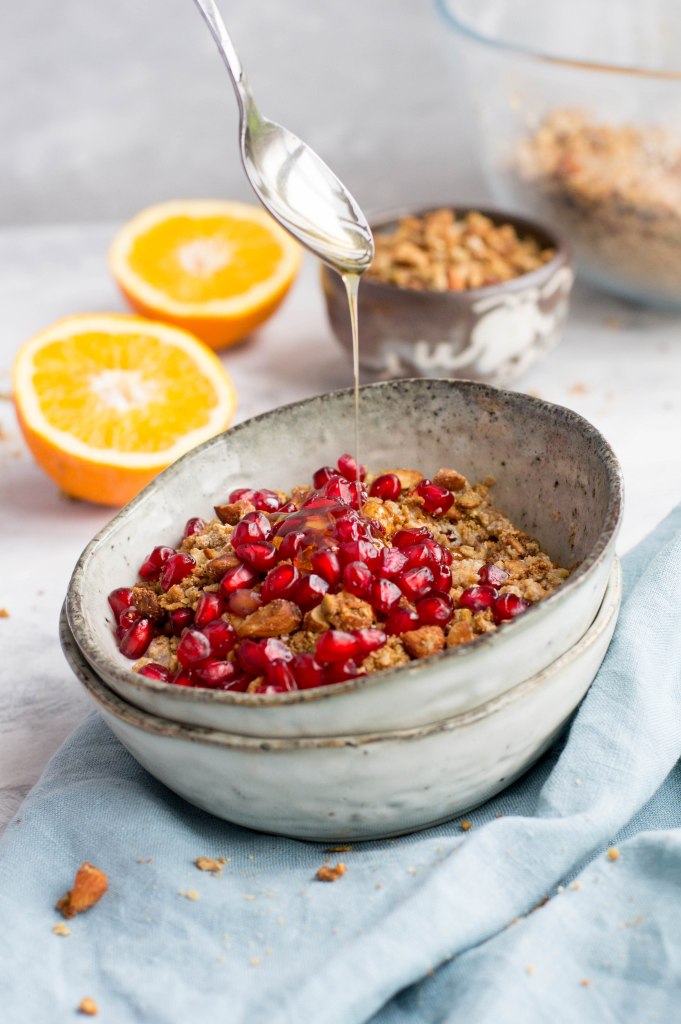
GRANOLA ALL’ARANCIA

  • 100 g di avena in fiocchi (scegli quella senza glutine, se necessario)
  • 150 g di miglio in fiocchi
  • 10-12 datteri, tagliati finemente (6-7 se usi i Medjool)
  • il succo di un’arancia, appena spremuto
  • 2-3 cucchiai di farina di cocco (o una manciata di cocco in scaglie)
  • una manciata di mandorle, tagliate finemente
  • 3 cucchiai di semi di zucca, tagliati finemente
  • 3 cucchiai di semi di lino macinati
  • 1 cucchiaio di sciroppo di datteri (opzionale)
  • 1 cucchiaio di olio di cocco, sciolto (misurato solido)
  • 1 cucchiaino di zenzero in polvere
  • 1 cucchiaino di cannella in polvere
  • un pizzico di noce moscata
  • un pizzico di sale
  • acqua tiepida (circa 6-7 cucchiai)

Mischia in una ciotola l’avena, il miglio, i datteri, le spezie, l’olio di cocco, e un pochino di acqua tiepida (avrai bisogno di abbastanza acqua per combinare insieme i diversi ingredienti, senza creare però un unico pezzo di granola – puoi usare le mani per mischiare meglio il tutto). Per cuocere la granola utilizza una teglia rivestita con della carta forno oppure opta per un’alternativa riutilizzabile adatta alle cotture di questo tipo. Disponi la granola sulla teglia in modo omogeneo e cuocila per circa 10-15 minuti a 180°C.

Rimuovi la teglia dal forno, aggiungi il succo d’arancia e mischia bene con un cucchiaio. Metti di nuovo la granola in forno per altri 5-10 minuti.

Rimuovi di nuovo la granola dal forno, aggiungi le mandorle, i semi di zucca, la farina di cocco (o il cocco in scaglie) e lo sciroppo di datteri (se lo utilizzi): mischia bene il tutto e cuoci ancora in forno alla stessa temperatura per un paio di minuti (il cocco in scaglie tende a bruciare in fretta).

Quando la granola sarà pronta, aggiungi i semi di lino macinati e mischia il tutto con un cucchiaio. Lascia raffreddare del tutto la granola prima di riporla in un contenitore. Puoi utilizzarla per colazione o merenda, accompagnandola con yogurt o kefir (è ottima anche con un po’ di latte e con le bevande vegetali).

Quando le arance non sono di stagione, puoi decidere di aggiungere un po’ di vaniglia a questa ricetta per utilizzarla come base ed avere un gusto diverso! Oppure potresti aggiungere agli ingredienti un paio di cucchiai di cioccolato fondente spezzettato (o anche scegliere la classica combinazione cioccolato e vaniglia).


Vorresti iniziare ad avere più consapevolezza nella vita di tutti i giorni e mettere in pratica quell’idea di slow living a cui hai sempre aspirato? Clicca sul bottone qui sotto per scoprire come inziare utilizzando un corso semplice, pratico ed efficace

LEGGI I DETTAGLI

Zuppa di fagioli rossi e carote

(read in English)

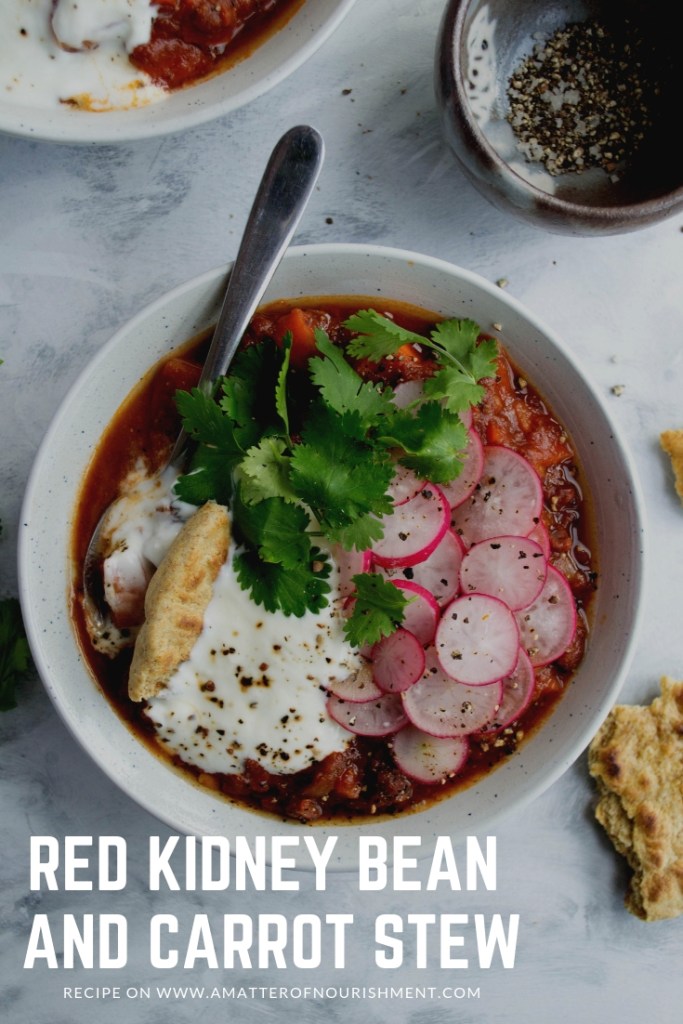
Questa zuppa di fagioli rossi e carote è stata preparata in realtà più per una questione legata alla fotografia, piuttosto che con l’idea di condividere la ricetta, ma ho ricevuto tante domande su questa bontà, che ho deciso di scrivere anche questa preparazione sul blog. Ma parliamo per un minuto del perchè fosse un soggetto interessante in termini fotografici…

Per lavorare sulle tue abilità, per mettere in pratica dei cambiamenti nel tuo stile di vita, per migliorare nel tuo lavoro, per lavorare su di te… punta a fare dei passi avanti, non ad un ideale di perfezione.

Una delle cose che ho deciso di mettere sulla mia lista di cose da fare durante gli ultimi mesi: prendermi più tempo per esplorare la parte di “food photography” del mio lavoro. La maggior parte delle foto che condivido a supporto dei miei posts sui social sono fatte rapidamente a colazione o pranzo e, in tutta onestà, avere la capacità di ottenere ottimi risultati in tempi brevi e senza un set-up ideale, mi è stato molto utile in varie occasioni di lavoro. MA mi piace studiare un’mmagine con il giusto tempo ed essere anche in grado di rallentare un po’ e connettermi al meglio con ciò che sto facendo. Dunque, nella mia lista di cose da fare per il prossimo futuro, vedo sicuramente tanto tempo passato dietro la macchina fotografica, un workshop di fotografia che vorrei organizzare a Dublino, e tanti lavori interessanti legati alla fotografia ed al cibo. E tu? Hai una abilità o un qualche cambiamento su cui vorresti lavorare un po’ di più? 

Zuppa di fagioli rossi e carote

Ingredienti (per 2 persone)

  • circa 200 g di fagioli rossi cotti
  • 3 carote di dimensioni medie
  • 2 scalogni
  • 5-6 pomodori secchi
  • circa 300 ml di passata di pomodoro
  • 1 cucchiaino di cumino in polvere
  • 1 cucchiaino di semi di finocchio (spezzettati in un mortaio)
  • 1 cucchiaino di semi di senape nera (spezzettati in un mortaio)
  • 1/3 di cucchiaino di paprika piccante
  • 2 foglie d’alloro
  • un pizzico di sale
  • un pizzico di pepe
  • olio d’oliva extra vergine
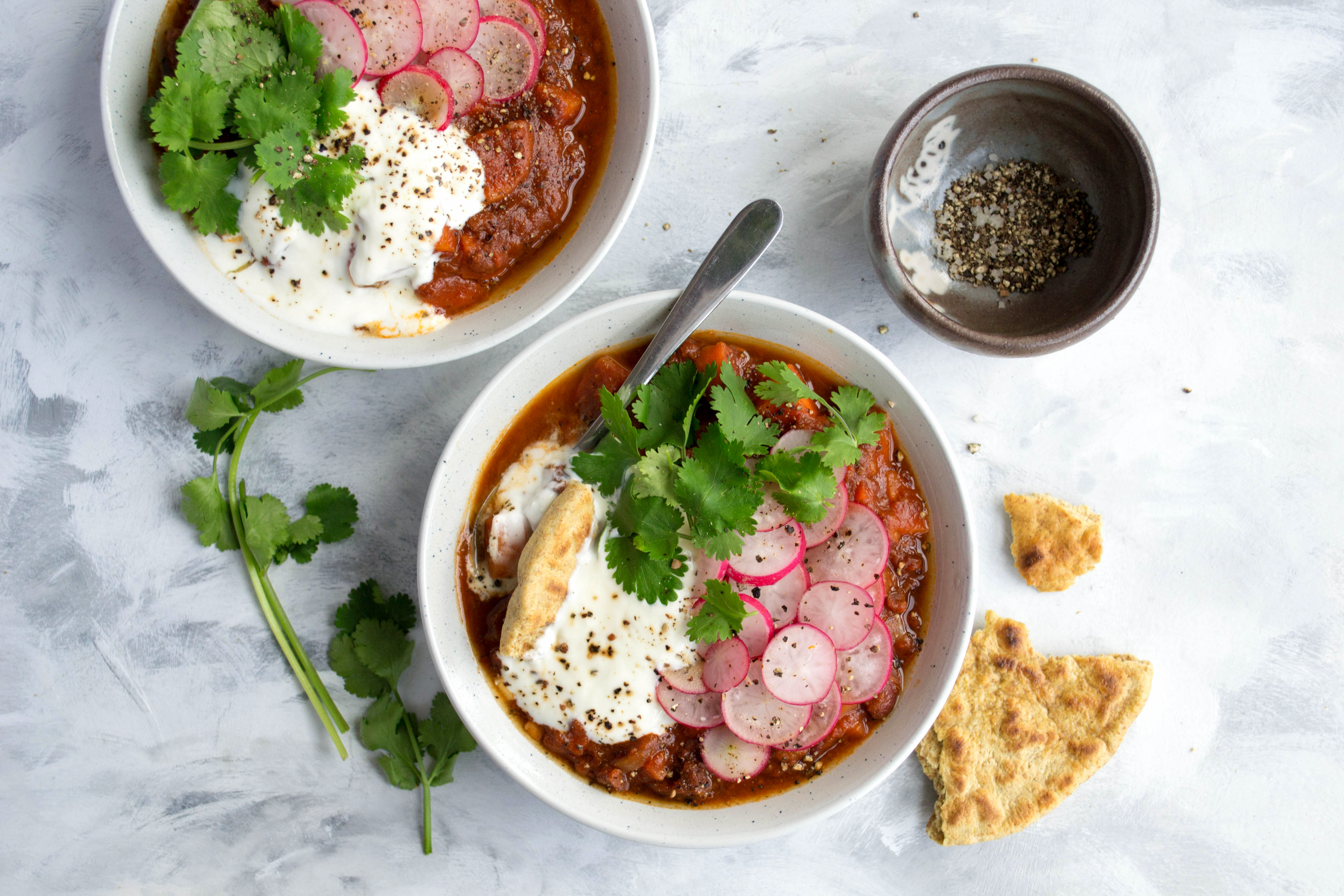
  • sopra: 4 cucchiai di yogurt di cocco (o qualsiasi altro tipo di yogurt bianco, in base ai tuoi gusti), 4-5 ravanelli, 1 manciata di coriandolo fresco, olio extra vergine d’oliva

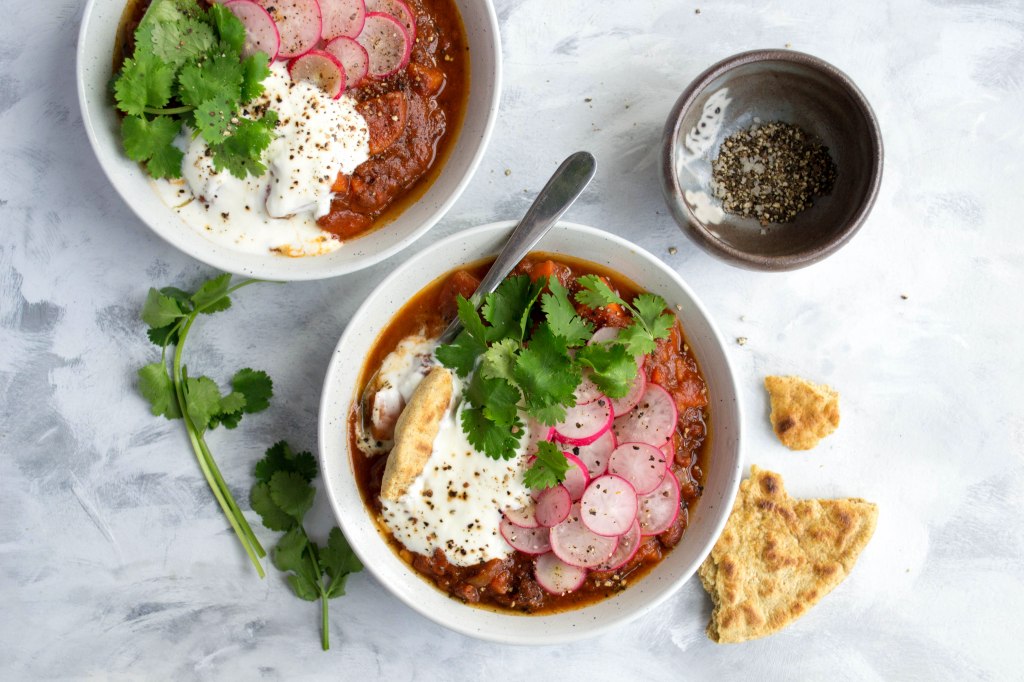
Scalda un pochino d’olio d’oliva in una pentola su fuoco medio. Aggiungi lo scalogno tagliato finemente e lascialo rosolare finchè non diventa dorato. Aggiungi le carote tagliate a pezzetti e mischia bene per circa 30 secondi, poi aggiungi lentamente alcuni cucchiai di acqua calda, seguiti dalla passata di pomodoro, i pomodori secchi tagliati a pezzettini (non c’è bisogno di re-idratarli prima di aggiungerli al resto, visto che avranno poi il tempo di ammorbidirsi durante la cottura), le foglie d’alloro, e le spezie. Aggiungi un altro pochino d’acqua se necessaria, in modo da coprire tutti gli ingredienti (aggiungi l’acqua in piccole quantità e passo passo, dato che i tempi di cottura non sono molto lunghi e quello che vorrai alla fine è un risultato piuttosto cremoso). Cuoci a fuoco basso per circa 10 minuti, poi aggiungi i fagioli e continua la cottura per altri 5-10 minuti (varia i tempi i base a quanto vuoi che siano croccanti le carote o a quanto vorresti che fosse cremosa la zuppa). Quando sarà pronta, assaggiala ed aggiungi un pizzico di sale e pepe nero, scarta le foglie d’alloro, ed utilizza i ravanelli tagliati a fettine, il coriandolo, lo yogurt, e l’olio d’oliva per decorare il piatto. Servi così com’è o accompagnata da una fetta di pane tostato.


Vorresti sapere qualcosa di più riguardo il mio lavoro e come potrei esserti d’aiuto? Clicca QUI per tutti i dettagli

Red kidney bean and carrot stew

(read in Italian)

This stew with red kidney beans and carrots has been created more for a food photography purpose than with the idea of sharing a recipe but I’ve got so many questions about it, that I’ve decided to write everything down and share this delicious preparation on the blog. But let’s take a minute to chat about the reason why this was an interesting subject to work on my photography…

To work on your skills, to change your lifestyle, to get better in your job, to work on yourself… STRIVE FOR PROGRESS, NOT PERFECTION.

One of the things I’ve decided to put on my to-do list during the last few months: taking more time to explore the food photography part of my job. Most of the photos I share as support of my posts on social media are quick snaps taken at breakfast or lunchtime and, let’s be honest, having the skills to get great results in a short time and without an ideal set-up has been useful in several working occasions. BUT I love taking my time to work on a photo and literally be able to SLOW DOWN and build up a connection with what I’m doing. So, on my to-do list for the near future, I definitely have more time spent behind the camera, a photography workshop I want to arrange in Dublin, and plenty of interesting food photography jobs. Do you have any skills or change you want to work on?

Red kidney bean and carrots stew

Ingredients (serves 2)

  • approx. 200 g cooked red kidney beans
  • 3 medium-sized carrots
  • 2 shallots
  • 5-6 sun-dried tomatoes
  • approx. 300 ml tomato passata
  • 1 tsp ground cumin
  • 1 tsp fennel seeds (crushed in a mortar)
  • 1 tsp black mustard seeds (crushed in a mortar)
  • 1/3 tsp hot paprika
  • 2 bay leaves
  • a pinch of salt
  • a pinch of black pepper
  • extra virgin olive oil
  • on top: 4 tbsp for of plain coconut yogurt (or regular yogurt, according to your preferences), 4-5 radishes, 1 handful of fresh coriander, extra virgin olive oil

Warm up a little bit of olive oil in a pot over medium heat. Add the finely chopped shallots and stir until they turn golden. Add the carrots (chopped in small pieces) and mix well for approx. 30 seconds, then slowly add a few tbsp of warm water, followed by the tomato passata, the finely chopped sun-dried tomatoes (no need to re-hydrate them in advance, since they will cook with your stew), the bay leaves, and the spices. Add a bit of extra water if needed to keep all the ingredients covered (add small amounts of water step by step, since the preparation doesn’t take too long and you want a creamy result). Cook on low heat for approx. 10 minutes, then add the beans and cook for 5-10 minutes (according to how crunchy you want your carrots and how creamy you’d like the stew). Once it will be ready, adjust the amount of salt and black pepper to taste, remove the bay leaves, and use the finely sliced radishes, yogurt, coriander, and olive oil as toppings. Serve as itself or with a slice of toasted bread.

Save this graphic on Pinterest!


Would you like to know more about my job and how I can help you? Click HERE to find all the details

Mince pies – dolcetti delle feste

(read in English)

Dicembre ed il periodo festivo sono caratterizzati da tantissimi cibi tradizionali che fanno la loro classica comparsa sulle tavole ed io ho deciso di preparare alcune mince pies! Avrete probabilmente sentito parlare di questi dolcetti, io li ho incontrati per la prima volta in Irlanda e me ne sono subito innamorata. Ci sono tante ricette diverse per prepararle, soprattutto per il ripieno (mincemeat), ma con questo post ho deciso di condividere la mia versione. Mi piace creare e pubblicare ricette vere dalla mia cucina, quindi devono essere un qualcosa che effettivamente preparo e metto in tavola, non solo un bel piatto fotogenico. Per questa ricetta vale lo stesso discorso, è una combinazione di gusto, atmosfera natalizia ed ingredienti che piacciono sia a me che al mio ragazzo. Spero che questi dolcetti piacciano anche a voi: danno il loro meglio se vengono serviti tiepidi – lo zenzero, la cannella e la scorza di mandarino sono gli ingredienti chiave per creare quel profumo inconfondibile che avvolgerà tutta la cucina.

Se volete o dovete fare qualche sostituzione per quanto riguarda gli ingredienti, qui ci sono alcuni suggerimenti che posso condividere perchè li ho provati personalmente: potete usare la scorza d’arancia invece di quella di mandarino, o potete anche sostituire scorza+limone con il succo di un’arancia – la tahini o il burro di anacardi sono due buone alternative da utilizzare al posto del burro di mandorle.

Mince Pies

Ingredienti (per 12-14 mince pies)

per il ripieno:

  • 2 mele di dimensioni medie (meglio se mele per cucinare)
  • 4 cucchiai di uvetta
  • 1 ½ cucchiai di burro di mandorle
  • succo di 1 limone
  • 1 ½ cucchiaino di cannella in polvere
  • 1 cucchiaino di zenzero in polvere
  • la scorza di 1 mandarino biologico

per l’impasto:

  • 180 g farina di farro integrale (potete usare anche quella di grano integrale – scegliete la farina di riso integrale per una versione senza glutine)
  • 25 g di burro (o olio d’oliva, 5 cucchiai)
  • 1 cucchiaio scarso di zucchero Mascobado scuro
  • 1 cucchiaino di cannella in polvere
  • bevanda vegetale di mandorla o nocciola o anacardi, oppure all’avena

sopra: farina di cocco

Per preparare il ripieno:

mischia le mele grattugiate (non pelare le mele e grattugiale o tagliale in pezzi fini, non utilizzare una crema frullata) con gli altri ingredienti. Utilizza la scorza di un mandarino biologico, lavato e pelato – per il ripieno avrai bisogno di tagliarla in pezzetti molto piccoli. Metti il tutto in un vaso o una ciotola e lascialo a riposare in frigo per almeno 2 ore – puoi anche prepararlo in anticipo il giorno prima.

Per preparare l’impasto:

in una ciotola mischia lo zucchero con il burro ammorbidito a temperatura ambiente e la cannella. Inizia poi ad aggiungere la farina e fai assorbire tutta la parte liquida (otterrai una specie di effetto sbriciolato). Aggiungi in piccole porzioni la bevanda vegetale – mischia bene con le mani e controlla la consistenza dell’impasto passo dopo passo (il risultato finale non si attaccherà alle mani). Copri il tutto e lascialo riposare in frigo per almeno 30 minuti prima di utilizzarlo.

Se non hai una teglia da forno apposita, puoi utilizzarne una per muffin. Per tagliare l’impasto io ho utilizzato uno stampo rotondo da biscotti di 7.5 cm di diametro (per la base) ed uno a forma di stella (per la decorazione da mettere sopra). Puoi scegliere se stendere l’impasto più o meno spesso, in base alle tue preferenze. Taglia la base e mettila nella teglia da forno, aggiungi 1 cucchiaio di ripieno, ed infine metti la stella sopra di esso. Cuoci in forno preriscaldato a 180°C per circa 15-20 minuti o finchè non iniziano a diventare dorate.

Ottime servite tiepide – puoi aggiungere sopra un po’ di farina di cocco. Se hai degli avanzi di ripieno, prova ad aggiungerlo nel porridge!

Tomato risotto

(read in Italian)

A few days ago, my boyfriend asked for tomato risotto for lunch saying “tomato risotto is my comfort food right now – comfort food is something that simply makes you feel good every time you eat it”. Couldn’t agree more! We both love tomato risotto and when I make it, I don’t think if it’s balanced enough or get worried because I don’t have all the macros in a good amount on my plate. I know it’s a simple preparation that makes us feel good, it brings joy to the table, has tomatoes with all their beneficial properties (hello lycopene, our beloved antioxidant!), has fibre and nutrients.

And if right now you feel the need to cook this risotto or if you have never tried it before, here there’s the recipe! For this version, I’ve used only tomato passata but you can get creative with the ingredients: for example, I love to use a mix of passata and sun-dried tomatoes (finely chopped – no need to re-hydrate the tomatoes in advance, simply add them to the rice while it’s still cooking).

Tomato risotto

Ingredients (serves 2)

  • 160 g short-grain brown rice
  • 250-300 ml tomato passata
  • 1 shallot (optional)
  • 1-2 bay leaves
  • 1 tsp sweet paprika (or smoked, if you prefer to add a different flavor)
  • extra virgin olive oil
  • a pinch of black pepper
  • a pinch of salt
  • shredded cheese to add on top (optional – but if you want to use it, I suggest choosing an aged cheese with a strong flavor, and if you are not sure about what to buy, ask your local cheesemonger!)

Warm up a little bit of olive oil in a pot over a medium heat. Add the finely chopped shallots and stir until they turn golden. Add the rice and mix well for approx. 30 seconds to toast the rice. Then add the bay leaves and the amount of warm water necessary to keep everything covered. Mix well and cook over medium heat for 30-40 minutes (depending on the rice that you’re using, check the package). Add water in small portions to cook the rice, there should not be water left when the risotto is ready (but you should have a creamy tomato sauce). Half-way through the cooking time, add all the tomato passata and spices. Serve with shredded cheese on top and a drizzle of olive oil.


Would you like to start being passionate about building a support system for your well-being through simple daily choices? Click on the button below to take the first step:

SCHEDULE A FREE CONSULTATION

Risotto al pomodoro

(read in English)

Qualche giorno fa, il mio ragazzo mi ha chiesto di preparare il risotto al pomodoro per pranzo dicendo “il risotto al pomodoro è il mio comfort food al momento – un comfort food è qualcosa che ti fa semplicemente stare bene ogni volta che lo mangi”. Non potrei essere più d’accordo! Questo risotto piace molto ad entrambi e quando lo preparo non penso se sia abbastanza bilanciato e non inizio a preoccuparmi perchè i macronutrienti non sono presenti in giuste quantità sul mio piatto. So che è una preparazione semplice che ci fa stare bene, che porta gioia in tavola, che ha i pomodori con tutte le loro ottime proprietà (come l’amatissimo antiossidante licopene), che ha fibre e nutrienti.

Vuoi prepararlo anche tu? Non hai ancora mai provato il risotto al pomodoro? Problema risolto, qui trovi la ricetta! In questa versione ho utilizzato soltanto la passata di pomodoro, ma puoi variare gli ingredienti come preferisci: ad esempio, a me piace molto utilizzare anche un misto di passata e pomodori secchi tagliati finemente (non c’è bisogno di re-idratarli prima dell’utilizzo, aggiungili semplicemente al riso in fase di cottura).

Risotto al pomodoro

Ingredienti (per 2 persone)

  • 160 g di riso integrale a grano corto
  • 250-300 ml di passata di pomodoro
  • 1 scalogno (opzionale)
  • 1-2 foglie d’alloro
  • 1 cucchiaino di paprika dolce (o affumicata, se preferisci dare un tocco diverso)
  • olio d’oliva extra vergine
  • un pizzico di pepe nero
  • un pizzico di sale
  • formaggio grattugiato da aggiungere sopra (opzionale – ma se decidi di usarlo, ti consiglio di utilizzare un formaggio stagionato con un sapore abbastanza forte, e se non sai quale scegliere, chiedi un suggerimento nel tuo negozio di formaggi di fiducia)

Scalda un pochino d’olio d’oliva in una pentola su fuoco medio. Aggiungi lo scalogno tagliato finemente e lascialo rosolare finchè non diventa dorato. Aggiungi il riso e mischia per circa 30 secondi per tostarlo. A questo punto, aggiungi le foglie d’alloro ed una quantità di acqua calda sufficiente per coprire tutto il riso. Mischia e cuoci su fuoco meido per circa 30-40 minuti (il tempo di cottura dipende dal tipo di riso utilizzato, controlla quanto indicato sulla confezione). Per cuocere il risotto, aggiungi altra acqua in piccole porzioni, in modo da non averne in eccesso alla fine (quello che avrai sarà semplicemente una crema di pomodoro). Circa a metà cottura, aggiungi tutta la passata di pomodoro e le spezie. Servi con il formaggio grattugiato sopra e un filo d’olio d’oliva.


Vorresti essere più motivata nel costruire un sistema di supporto per il tuo benessere fatto di semplici scelte quotidiane? Fai il primo passo usando il bottone qui sotto:

SCHEDULE A FREE CONSULTATION

Pancakes alla Zucca

(read in English)

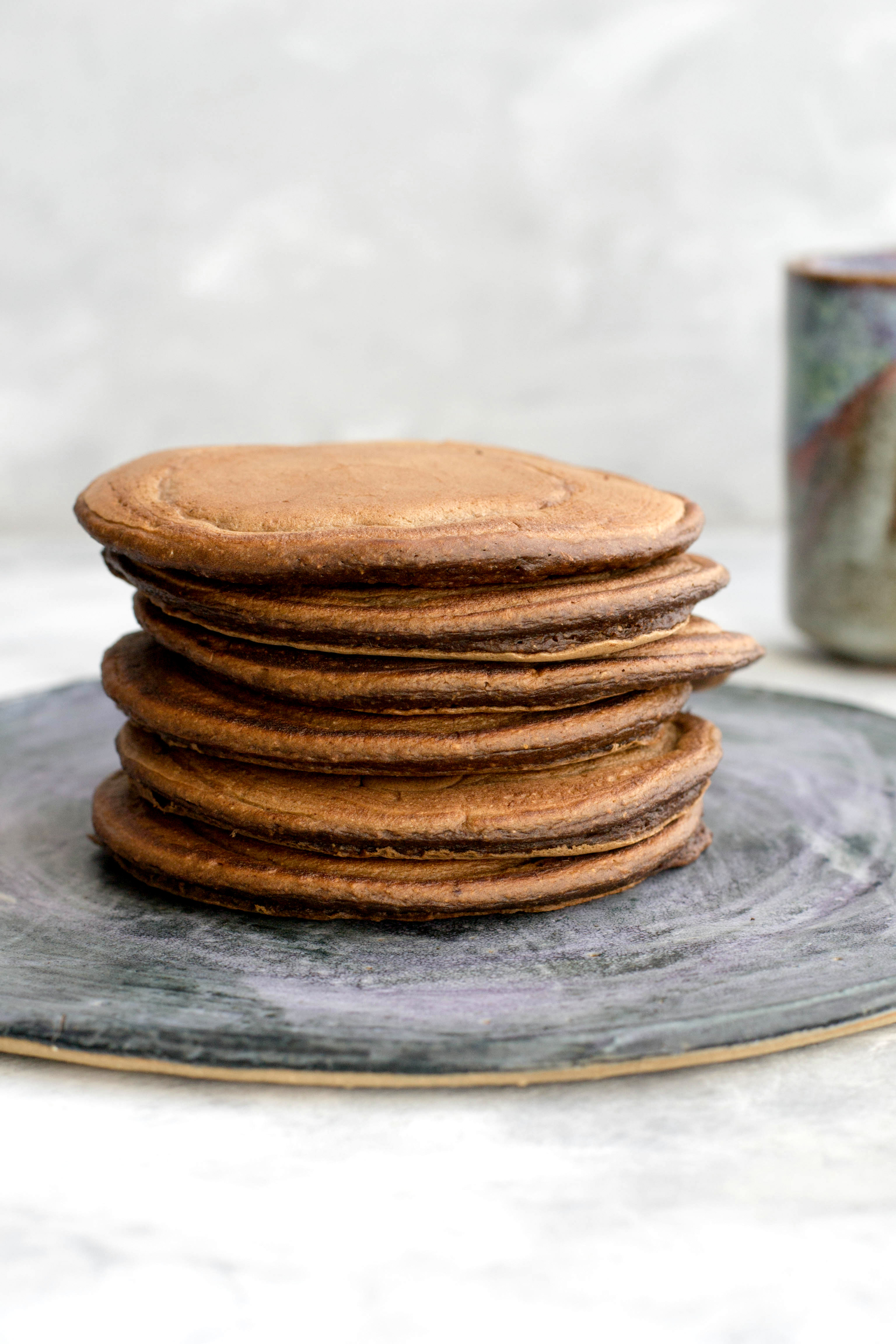
Ogni anno aspetto pazientemente il ritorno delle zucche per aggiungerle all’impasto dei pancakes. Anche se in casa spesso usiamo cose come banane, rape o spinaci nei pancakes, non c’è niente che si possa paragonare al mischiare zucca, spezie e farina integrale.. è un insieme di ingredienti che ha sempre un non so che di speciale!

Ci tengo a fare un appunto sulla ricetta, visto che quest’impasto tende ad essere un po’ più difficile da gestire rispetto ad altri. Ho provato varie combinazioni per questi pancakes (e ne proverò tante altre in futuro, visto che adoro improvvisare) ed anche questa ricetta ho dovuto prepararla un paio di volte prima di poter essere sicura delle quantità. Se aggiungi troppa zucca e/o troppo liquido, tendono a rimanere troppo molli e non si cuociono bene. Consiglio di utilizzare della zucca cotta al forno (per il contenuto d’acqua) e controllare l’impasto passo dopo passo – in realtà, questo è un passaggio che trovo molto istruttivo ed utile perchè ti aiuta ad essere più consapevole di ciò che stai facendo e di come prepari i tuoi piatti!

Io ho deciso di servirli con sciroppo di datteri e delle mele tagliate a tocchetti (saltate in padella per 1 minuto con un pochino di ghee e della cannella). Chiara x

Pancakes alla Zucca

Ingredienti

  • 100 g di zucca cotta (meglio se cotta al forno)
  • 80 g di farina integrale (grano o farro – usa la farina di riso integrale per una versione senza glutine se necessario)
  • 1 uovo
  • 1 cucchiaio di semi di lino macinati
  • circa 70 ml di acqua o bevanda vegetale (quelle alla nocciola, mandorla, o anacardi sono ottime in questa ricetta)
  • 1 cucchiaino di ghee o burro (ammorbidito a temperatura ambiente)
  • 1 cucchiaino di lievito per dolci
  • 1 cucchiaino di cannella in polvere
  • 1 cucchiaino di zenzero in polvere
  • un pizzico di pepe di Giamaica (puoi usare la noce moscata in alternativa)
  • un pizzico di sale

In una ciotola, mischia le spezie, l’uovo, il ghee, i semi di lino, e la zucca (prepara una purea di zucca frullandola con la minima quantità di acqua o bevanda vegetale necessaria). Inizia ad aggiungere la farina ed altro liquido se necessario (a questo punto avrai usato già una parte del liquido per frullare la zucca, quindi ne avrai solo una piccola part avanzata per l’impasto). Mischia bene con una frusta finchè non otterrai un impasto omogeneo e senza grumi. Avendo la zucca nell’impasto, è importante controllare la consistenza passo dopo passo. Scalda una padella, meglio se anti-aderente, su fuoco medio con 1/3 di cucchiaino di ghee. Usa circa 3 cucchiai di impasto per ogni pancake e cuocili da entrambi i lati finchè non si riescono a girare bene con una spatola. Continua a mischiare l’impasto anche mentre cuoci i pancakes (con queste quantità dovresti riuscire a prepararne circa 6).

Pumpkin pancakes

(read in Italian)

Every year, I patiently wait for the return of pumpkins to add them into my pancakes. While at home we both love adding some mashed bananas or beetroots or spinach into pancakes, the combination of pumpkin, spices, and whole grain flour is always a bit magical!

But keep in mind that adding pumpkin to your pancakes can be tricky! I had to adjust the batter a few times to get it right but, in the end, the result was delicious. If you add too much pumpkin and/or liquid, they just remain too moist and not well cooked. So just go for roasted pumpkin, with less water, and check your batter step by step as you prepare it – I actually love this step: you learn to be more aware of what you are doing and how you prepare your food!

I have decided to top them with some date syrup and chopped apples tossed with a bit of melted ghee and cinnamon.

Pumpkin Pancakes

Ingredients

  • 100 g cooked pumpkin (better if roasted)
  • 80 g whole grain flour (use wheat or spelt – brown rice flour for a gluten-free version if needed)
  • 1 egg
  • 1 tbsp milled flaxseeds
  • approx. 70 ml water or a plant-based drink (hazelnut, almond, or cashew work well)
  • 1 tsp of ghee or butter (softened at room temperature)
  • 1 tsp baking powder
  • 1 tsp cinnamon powder
  • 1 tsp ginger powder
  • a pinch of all spice
  • a pinch of salt

In a medium-sized bowl, combine spices, ghee, flaxseeds, egg, pumpkin (make a puree with your pumpkin using a blender – add the minimum amount of water or plant-based drink necessary to blend it). Mix well these ingredients and start adding the flour (add also more liquid when necessary – at this point, you have already used some of the total amount to blend the pumpkin, so you have just a small part left). Stir until there are no lumps. The batter tends to be particularly tricky due to the pumpkin, so learn how to check it step by step. Heat a frying pan, preferably a non-stick one, on medium heat with 1/3 tsp of ghee. Use 3 tbsp for each pancake, moving the pan until the batter is evenly distributed. Cook each pancake until it can be easily flipped with a spatula. Keep the batter well mixed. Using these quantities, you will be able to make approx. 6 pancakes.


“Find me featured in Twinkl’s Great & Ghostly Guide to Halloween!”


My experience with a Facial Rejuvenation treatment

Nowadays there are so many facial treatments to choose from: I’ve decided to share with you more information about this facial rejuvenation session because it involves different techniques and it’s a lovely way to tune in to your body and get to know your skin better!

If you have been following my blog or social media pages for a while, you know that I’m a huge supporter of all the little things that can help us to take a better care of ourselves on a daily basis. Many people think that self-care means having at least one day off each week to spend taking care of themselves and having only that single thing to do. We all know that reality is a little bit different, things don’t always go as planned and it’s not so common having the chance to dedicate one entire day each week to yourself. So, it’s important to think about what you can do on a daily basis to show yourself some love… small choices that seem simple but can actually be life-changing!

I’d like to help you figure out what you can do at home in first place and also simple treatments that you can book without necessarily have to take a day off at the spa. That’s why I’d like to meet other people who work in the wellness world and give you some examples of HOW YOU CAN EASILY SUPPORT YOUR WELL-BEING in different ways… you’ll hear from my voice about the treatment, how does it work, how it made me feel and which are the benefits that I’ve noticed.

Recently, I had the pleasure to try a Chinese Cupping and Gua Sha Facial Rejuvenation treatment with Amanda Nordell at Dublin Wellness Centre: it’s a treatment based on a combination of different techniques that Amanda carefully adapts to your own needs.

DSC_1053-2

What is it all about? The treatment lasts approx. 1 hour and includes the use of gua sha tools, a jade roller, natural facial oils, cupping (with silicone cups), basalt stones, and a face mask. You can also get a standard acupuncture treatment as part of the session as an extra support for your well-being and general balance. It’s a relaxing hour and even if it may sound a bit scary getting cupping on your face, the truth is that it doesn’t hurt and leaves no red marks, my skin was refreshed and rejuvenated following the treatment.

The combination of facial cupping and gua sha is both relaxing for the mind and body, and invigorating for the complexion and facial muscles. For this kind of treatment, Amanda works with clients who have a wide range of needs, including who have specific skin conditions such as acne, rosacea, psoriasis, or eczema and also with people who want to prevent/reduce the signs of aging. The facial can help reduce fine lines and wrinkles and reduce sagging tendencies. As she mentioned to me, there’s no downtime after the session and this makes it even easier for all of us thinking to fit this relaxing time into a busy schedule.

What I really loved about the treatment (apart from the glowing skin that I had right after it) is the idea that it helps your whole face to find its balance again and to shine from the inside out – it’s a way to give some extra support to your skin and muscles on their everyday job. No magic tricks or big promises: it’s a deep and gentle facial massage based on specific instruments, nutrients (from oils and masks), and temperatures.

Something else I really appreciated is the approach that Amanda has toward natural products. We are all aware that the word “natural” is used to advertise a wide range of stuff (and often is the perfect way to trick customers) and it can have several meanings – the best thing to do is having a better look at what there is actually behind the “natural” label. As Amanda mentioned to me, her focus is on getting products that are organic when possible, and free from parabens, silicones, mineral oil, and alcohol.

DSC_1014.jpg

SOME DETAILS…

My specific needs: I’ve received the treatment a few days after having a cold, with a sinus inflammation, a dry skin (I tend to have a dry skin due to psoriasis but this time was also due to the previous cold), and a few hormonal spots. Amanda took some time before starting the treatment to have a chat, tell me that the treatment could also be helpful for my sinus inflammation, explain to me that she decided to use a hydrating bamboo mask and that the hormonal spots may worsen after the session but only because the skin is clearing itself. The results: right after the treatment I was relaxed and energised at the same time – it’s a facial but it lasts one hour, so it actually feels like taking a proper “self-care break” in the middle of the day. I’ve noticed immediately the re-hydration and a clear change in my skin’s texture, the entire face looked (and felt) renovated and refreshed – hormonal spots cleared after a few days and I had a good improvement in my sinus inflammation. I always preach about listening to your body and what mine told me in the evening after the session with Amanda was to slow down and take more time off (I even went in bed way earlier than usual). Every time I go for a treatment or I do something to take care of myself, I always feel some extra motivation afterward to keep doing it and to be more consistent in adding self-care into my priorities (when I’m busy I tend to forget about using face creams, oils, self-massage, etc).

DSC_1008

The treatment is divided into several steps: it starts with a gentle and quick massage to apply the oil, then the use of some tools (jade roller, gua sha, etc..) not only helps with muscles and blood circulation, but it also allows the oil to be absorbed better into the skin. Gua sha, jade roller, and cupping are used before the mask, then basalt stones are the final part of the session. The tools for gua sha are used to do a gentle scraping action on the skin (this means that the layers are starting to be stimulated – you’ll also feel the skin that gets warmer), while the jade roller is naturally cold and massages the face. The technique used for cupping promotes circulation and relieves muscle tension (warm temperature), the mask nourishes the skin and the basalt stones are used again to massage the face.

Even if I love getting a massage and I truly believe that treatments like massage or acupuncture are a great and simple way to support our well-being (from both personal experience and from what I’ve learned in my training to become a Lomi Lomi massage therapist), I’m usually not keen in booking myself in for a facial. But this treatment is actually something completely different because it involves the use of tools and all the different steps follow a logical pathway that you can clearly understand and feel with all the little changes on your skin.

I would definitely recommend having this treatment with Amanda if you live in Dublin or nearby – it’s a good value for money (€65) and her non-judgemental, experienced, and down-to-earth approach will definitely help you to feel comfortable and enjoy the treatment. I also hope that what I’ve written here will be helpful and inspiring for all of you who live somewhere else!

**This treatment was a gift but all opinions are mine unless otherwise stated**

Chiara x

DSC_1037-2


ABOUT AMANDA:

Amanda is a registered acupuncturist with AFPA, the oldest and largest professional body for practitioners of Traditional Chinese Medicine in Ireland. She is a graduate of The Acupuncture Foundation of Ireland and has completed a clinical internship at the WHO Collaborative Center of Traditional Medicine at Nanjing University, China. This programme consisted of extensive clinical instruction at Jiangsu Province General Hospital and Military Hospital 454.

Amanda was privileged to work with the renowned Dr. Wen Lei Qiao during her time in China. Dr. Qiao’s treatment philosophy is well respected across Europe and the world. Her principles of pain-free needling, use of a few needles as possible along with a gentle, consultative approach with clients is proven to create optimum results. Amanda adheres to this approach and in addition to traditional body acupuncture she uses abdominal, auricular (ear) and wrist-ankle acupuncture techniques. Also, traditional Chinese cupping therapy and moxibustion.

Amanda has 20 years of experience working in the areas of health and social care firstly as a nurse and subsequently in the area of child and vulnerable adult protection. She has worked in general medicine, surgery, pediatrics, care of the elderly, mental health, learning disability and addiction. Amanda draws on this knowledge to provide a holistic, person-centered experience for each patient treating them according to their unique specific symptoms.

Through the principles of Traditional Chinese Medicine, she focuses on promoting health, preventing illness, and treating health challenges through natural alternatives that complement and enhance Western Medicine treatments.

To find more details about the treatments and schedule an appointment with Amanda, click HERE: www.amandanordell.com

Apple Galette

(read in Italian)

I’m using this apple galette that I’ve prepared recently to talk about FOOD & MINDSET.

Starting to be more AWARE of the entire process of nourishing, means working on the connection with your body and the food that you CHOOSE to eat, but it also means that you’ll truly put into practice the idea of moving from eating to nourishing

Learn how to listen and trust your body – giving it what it needs, and not ignoring the messages that will eventually send you even in the busiest times. Start putting yourself first and love taking care of yourself!

And yes, I’m saying this with a galette, that is packed with nutrients & flavor but it would absolutely not fit into the classic standards of “healthy” or “clean”.

Start to move on from the classic standards of “healthy” and “unhealthy”, and start looking at the ingredients, food combinations, quality of products, your body’s needs, etc.

DSC_1451

LET’S BREAK DOWN THE GALETTE

  • almost all the ingredients in this galette are organic
  • the dough is made with only whole grain flour
  • there’s a bit of date syrup but otherwise, I’ve played with apples and spices to avoid adding extra sugar (get creative!)
  • there’s a good amount of apples considering the size of the galette
  • there’s some tahini in the dough too
  • loved cooking with these Irish apples from the farmers’ market (connect with your food!)
  • I’ve shared it with my boyfriend (food is not just energy for your body!)
  • there’s some yogurt in the homemade ice-cream that I’ve used but you can also serve the galette with some yogurt (hello probiotics!)
  • it was exactly what I wanted and a perfect way to celebrate those delicious apples (enjoy your food!)

NOW IT’S YOUR TURN:
what can you do today to work a bit on your approach toward food?

Chiara x

DSC_0981

DSC_1155

DSC_1169

DSC_1433

APPLE GALETTE

Ingredients

For the dough:

  • 130 g whole grain flour (wheat or spelt)
  • 35 g butter
  • 1.5 tbsp tahini
  • 2 tsp date syrup
  • approx. 60 ml milk or hazelnut drink
  • 1 tsp cinnamon powder

For the filling:

  • 3 apples (approx. 390 g – preferably cooking apples)
  • 1 tsp cinnamon
  • 1 tsp fennel seeds (crushed in a mortar)
  • a splash of lemon juice
  • 1/2 tsp butter (optional)
  • approx. 1 tsp coconut flour (optional)

In a bowl, mix the softened butter (at room temperature) with tahini, date syrup (1 tsp), and cinnamon. Add the flour and mix well until you get a crumble-like consistency, then start adding the liquid in small portions (a different flour may require a bit less or more liquid). Mix the ingredients with a spoon for this first part, then in the end quickly knead the dough with your hands – it should be ready in a few minutes overall. If you are not using it straight away, place the dough in the fridge using a covered bowl.

Slice the apples, mix them with the spices and a splash of lemon juice. Roll out the dough (you’ll end up with a circle of approx. 20 cm of diameter) and sprinkle the coconut flour to prevent the base from becoming too soggy. Start adding the sliced apples, then fold the dough up and over the apples to create a border (wet your fingertips to press the internal part of the border and ensure it will stay in place).

Bake in a pre-heated oven at 180°C until the galette is golden brown (approx. 20-25 minutes – I don’t overcook the apples and they are still slightly crunchy at the end). When it’s almost ready, take the galette out from the oven: brush the border with a mixture made of date syrup (1 tsp) and milk or plant-based drink (2 tsp) – add 1/2 tsp of butter in small pieces over the apples. Place in the oven again for a couple of minutes.

Serve slightly warm or at room temperature with a dollop of ice-cream or yogurt on top.


Remember: you can choose a healthier lifestyle & eat delicious food, become a more intuitive eater, learn to trust your body, choose what is best for you, and support your well-being every day! Click on the button below to take the first step:

SCHEDULE A FREE CONSULTATION