Galette alle Mele

(read in English)

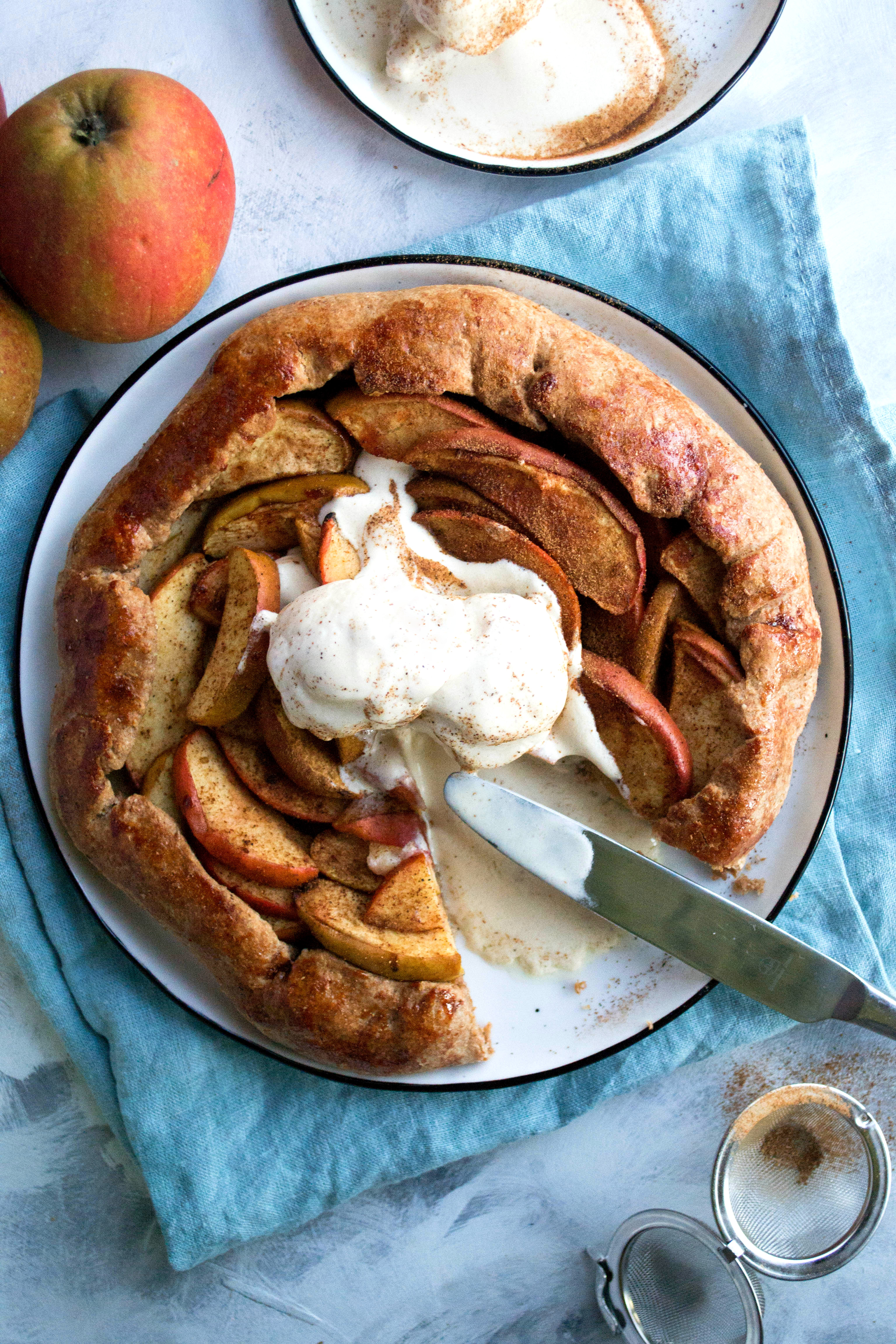
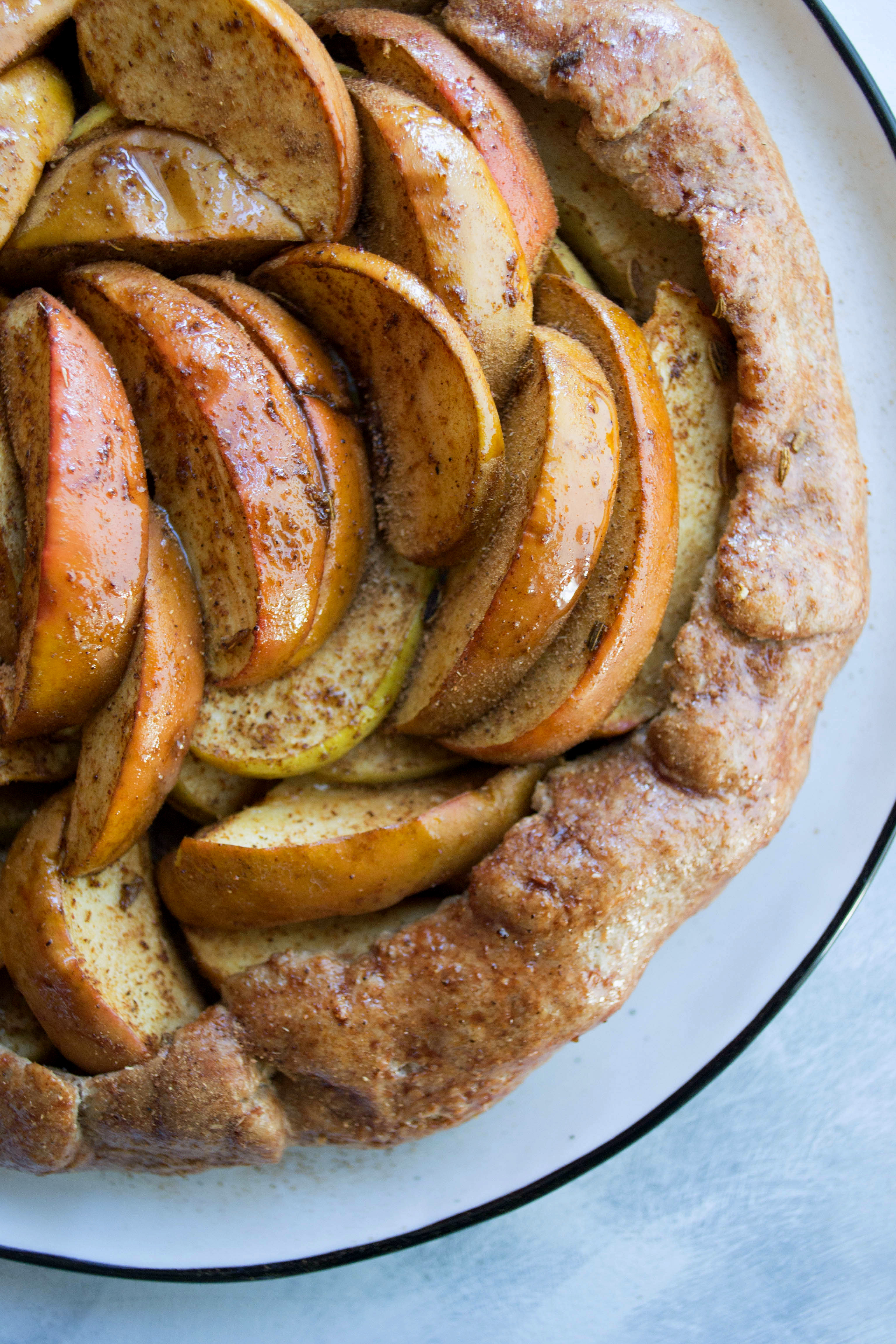
Uso questa galette alle mele che ho preparato di recente per parlare di alimentazione e consapevolezza.

Iniziare ad essere più CONSAPEVOLI dell’intero processo legato a “nutrirsi” vuole dire lavorare sul rapporto con il tuo corpo e con il cibo che scegli di portare in tavola, ma vuole anche dire mettere veramente in pratica l’idea di passare dal semplice “mangiare” a vedere il cibo come vero e proprio “nutrimento” per il corpo e la mente, un supporto per il tuo benessere, ed un aiuto per affrontare al meglio le tue giornate.

Impara come sia possibile ascoltare il tuo corpo e riporre fiducia nei segnali che ti invia ogni giorno, senza ignorarlo anche nei momenti più difficili e dandogli quello di cui ha bisogno. Inizia a metterti al primo posto ed a prenderti cura di te!

Dico tutto ciò come commento ad una galette che, sebbene sia ricca di nutrienti ed anche ottima di sapore (la ricetta sarà sul blog a breve) non rientrerebbe per nulla nei classici canoni di “sano” o “clean”.

Inizia a fare un passo avanti rispetto ad i classici standard di “sano” e “non sano”, ed inizia a prestare attenzione ad ingredienti, combinazioni alimentari, qualità dei prodotti, necessità del tuo corpo, etc.

DSC_1451

VEDIAMO INSIEME QUALCHE DETTAGLIO SULLA GALETTE

  • quasi tutti gli ingredienti sono biologici
  • la base è fatta con farina integrale
  • c’è una piccola parte di sciroppo di datteri, ma per il resto ho valorizzato il sapore dolce delle mele mischiandole alle spezie per cercare di non aggiungere zucchero (è importante cercare di essere più creativi!)
  • considerando le dimensioni della galette, c’è una buona quantità di mele
  • c’è anche un po’ di tahini nella base
  • mi è piaciuto molto poter preparare qualcosa di speciale con queste mele Irlandesi biologiche comprate al mercato (è importante anche stabilire una connessione con i vari ingredienti!)
  • l’ho condivisa con il mio ragazzo (il cibo non è solo energia per il tuo corpo!)
  • nel gelato fatto in casa che ho utilizzato per servirla c’è anche dello yogurt, ma è ottima anche servita con dello yogurt semplice (ecco i probiotici!)
  • era esattamente quello che volevo quando l’ho preparata ed è stata anche un’ottima maniera di utilizzare queste mele (apprezza appieno il cibo che scegli!)

ORA E’ IL TUO TURNO:
cosa puoi fare oggi per lavorare un po’ sull’approccio che hai verso l’alimentazione e le scelte quotidiane?

Chiara x

DSC_0981

DSC_1155

DSC_1169

DSC_1433

GALETTE ALLE MELE

Ingredienti

Per la base:

  • 130 g farina integrale (grano o farro)
  • 35 g burro
  • 1.5 tbsp tahini
  • 2 tsp sciroppo di datteri
  • circa 60 ml latte o bevanda alle nocciole
  • 1 tsp cannella in polvere

Per il ripieno:

  • 3 mele (circa 390 g – preferibilmente mele per cucinare)
  • 1 tsp cannella in polvere
  • 1 tsp semi di finocchio (spezzettati in un mortaio)
  • un pochino di succo di limone
  • 1/2 tsp burro (opzionale)
  • circa 1 tsp farina di cocco (opzionale)

In una ciotola, mischia il burro ammorbidito (a temperatura ambiente) con la tahini, lo sciroppo di datteri (1 tsp), e la cannella. Aggiungi la farina e combina il tutto finchè non ottieni una consistenza simile a delle grosse briciole – in seguito aggiungi la parte liquida in piccole porzioni (farine diverse possono necessitare di un pochino di liquido in più o in meno). Nella parte iniziale mischia gli ingredienti con un cucchiaio, poi alla fine lavora l’impasto con le mani – dovrebbe essere pronto in alcuni minuti. Se non prepari la galette subito, metti la base a riposare in frigo in una ciotola coperta.

Taglia le mele a fette, poi mischiale bene con le spezie ed un pochino di succo di limone. Stendi l’impasto (diventerà di forma circolare, circa 20 cm di diametro) e cospargilo con la farina di cocco per evitare che la base diventi troppo bagnata in cottura. Disponi con cura il ripieno della galette, poi crea un bordo piegando sopra le mele la parte di base che avrai lasciato vuota (con le dita bagnate premi delicatamente la parte più interna del bordo sulle mele affinchè conservi la forma in cottura).

Cuoci la galette in forno pre-riscaldato a 180°C finchè non diventa dorata (circa 20-25 minuti – cerco di non cuocere troppo le mele, quindi alla fine sono ancora leggermente croccanti). Quando sarà quasi pronto, rimuovi il dolce dal forno: spennella il bordo con un mix di sciroppo di datteri (1 tsp) e latte o bevanda vegetale (2 tsp) – aggiungi anche 1/2 tsp di burro spezzettato sulle mele. Metti nuovamente in forno per un paio di minuti.

Servi la galette tiepida o a temperatura ambiente ed aggiungi sopra un cucchiaio di gelato o yogurt.


Remember: puoi scegliere di avere uno stile di vita più sano, riempire i tuoi piatti con cose buone e che ti piacciono, essere più consapevole delle tue scelte, fidarti del tuo corpo, e scegliere quello che è meglio per te ogni giorno! Clicca sul bottone qui sotto per fare il primo passo:

PIANIFICA UNA CONSULENZA GRATUITA

Panzanella (bread and tomato salad)

(read in Italian)

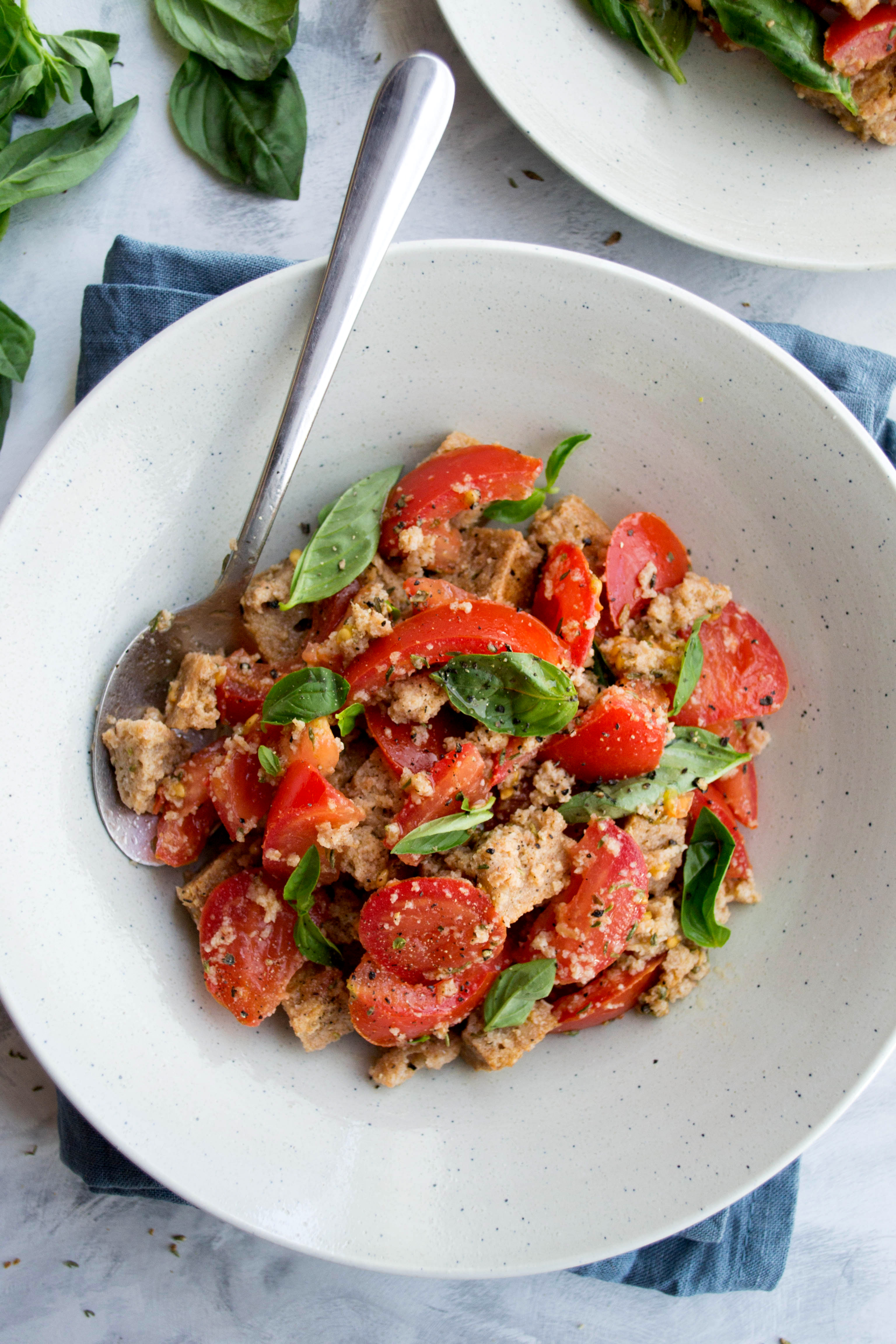
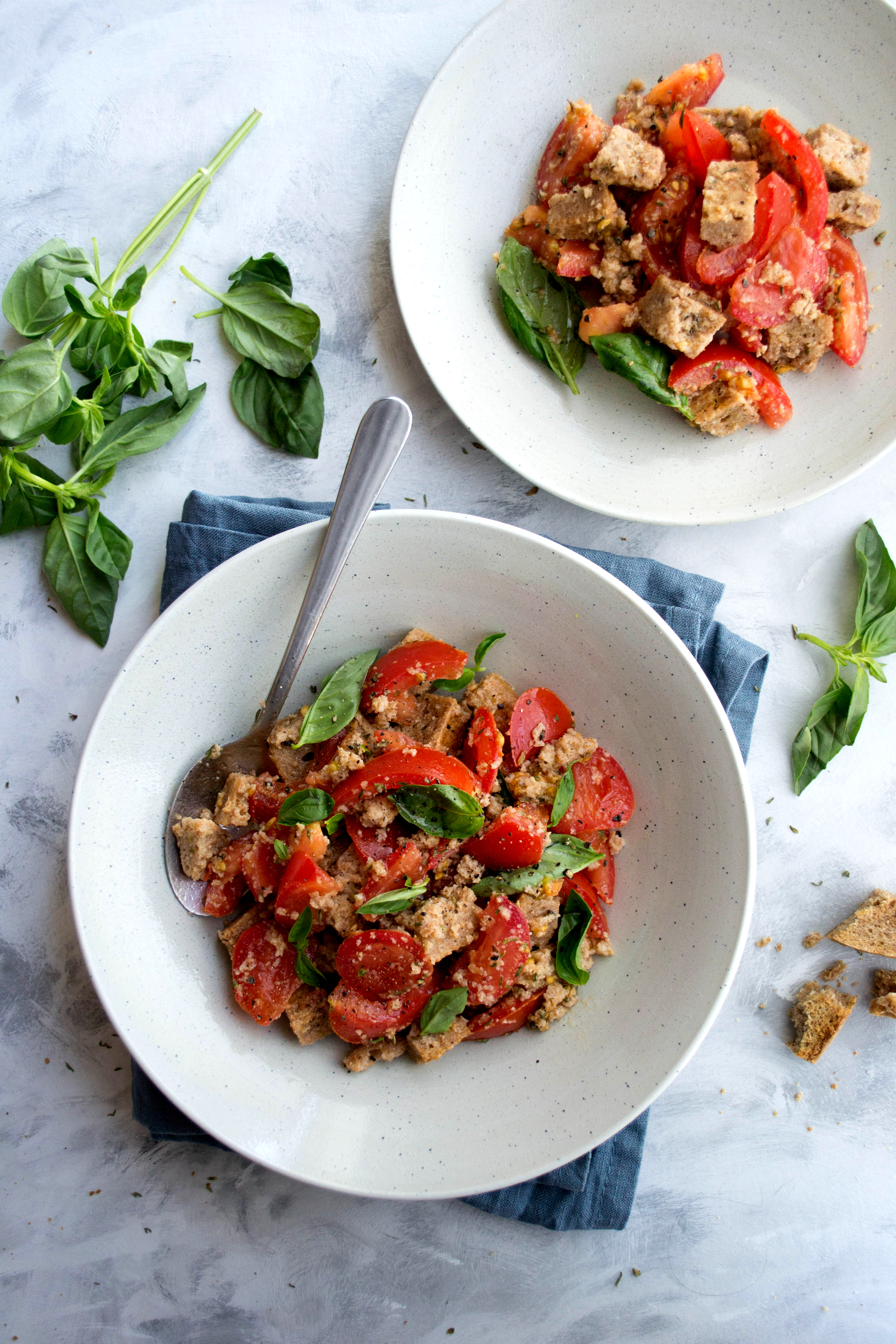
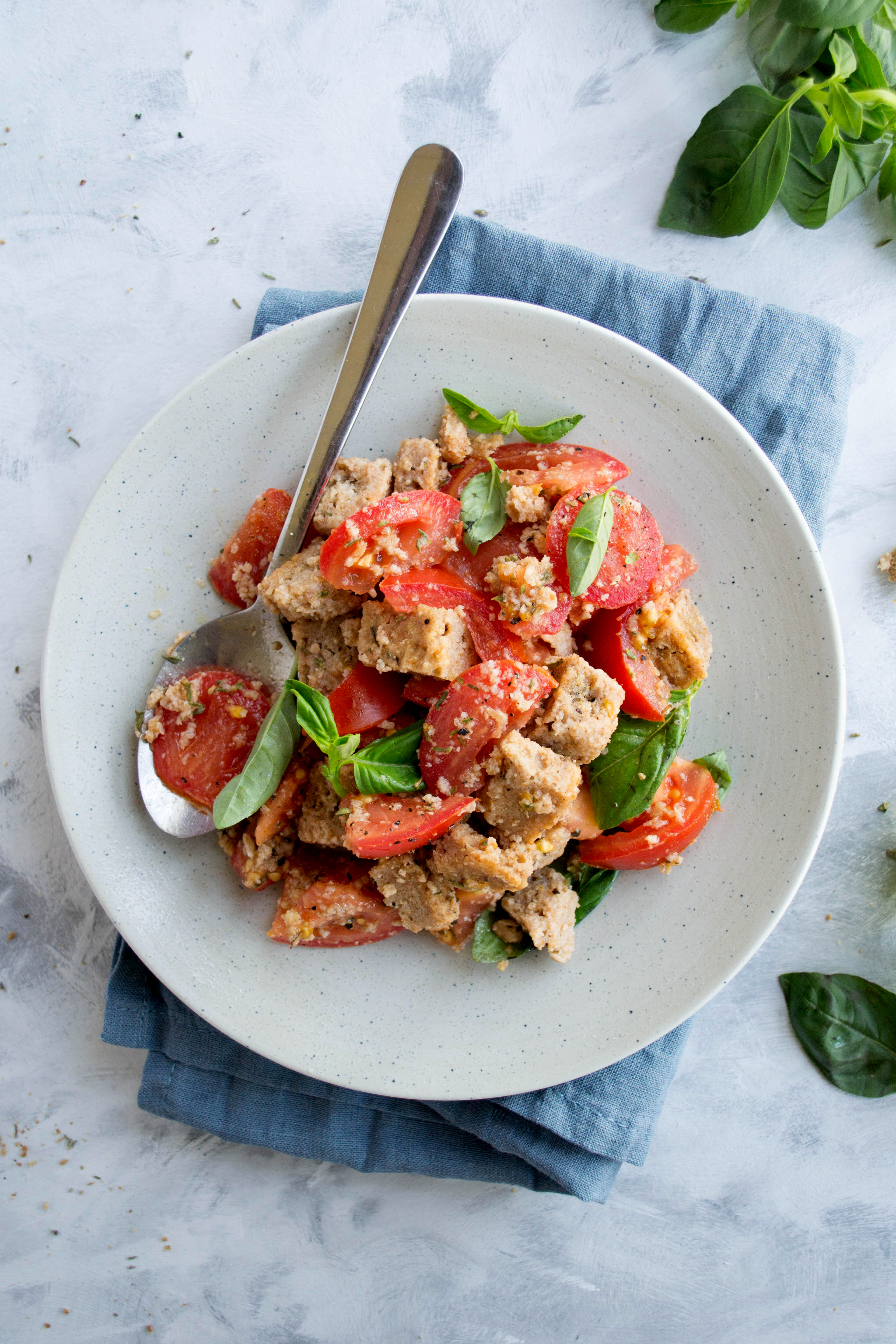
I really love those recipes in which you can use stuff like stale bread, or overripe bananas, or the leftovers from making your own nut drink – it’s not just a brilliant way to get more creative while cooking but, obviously, it’s also good to reduce the waste. The recipe that you will find below is a perfect example: a traditional Tuscan salad with stale bread and ripe tomatoes… simple and full of flavor! I’ve made it endless times and tried so many variations that I can’t even remember all of them – but for this blog post, I’ve decided to stick with a more classic version. I’ve also decided to suggest you a simple variation with some buffalo mozzarella. Share with me a snap on Instagram if you decide to give it a go, I’d love to see your creations! Chiara x

DSC_0290-2.jpg

DSC_0720

DSC_0658

DSC_0555

DSC_0838

Panzanella (bread and tomato salad)

Ingredients
(serves 2-3)

  • 150 g stale sourdough bread*
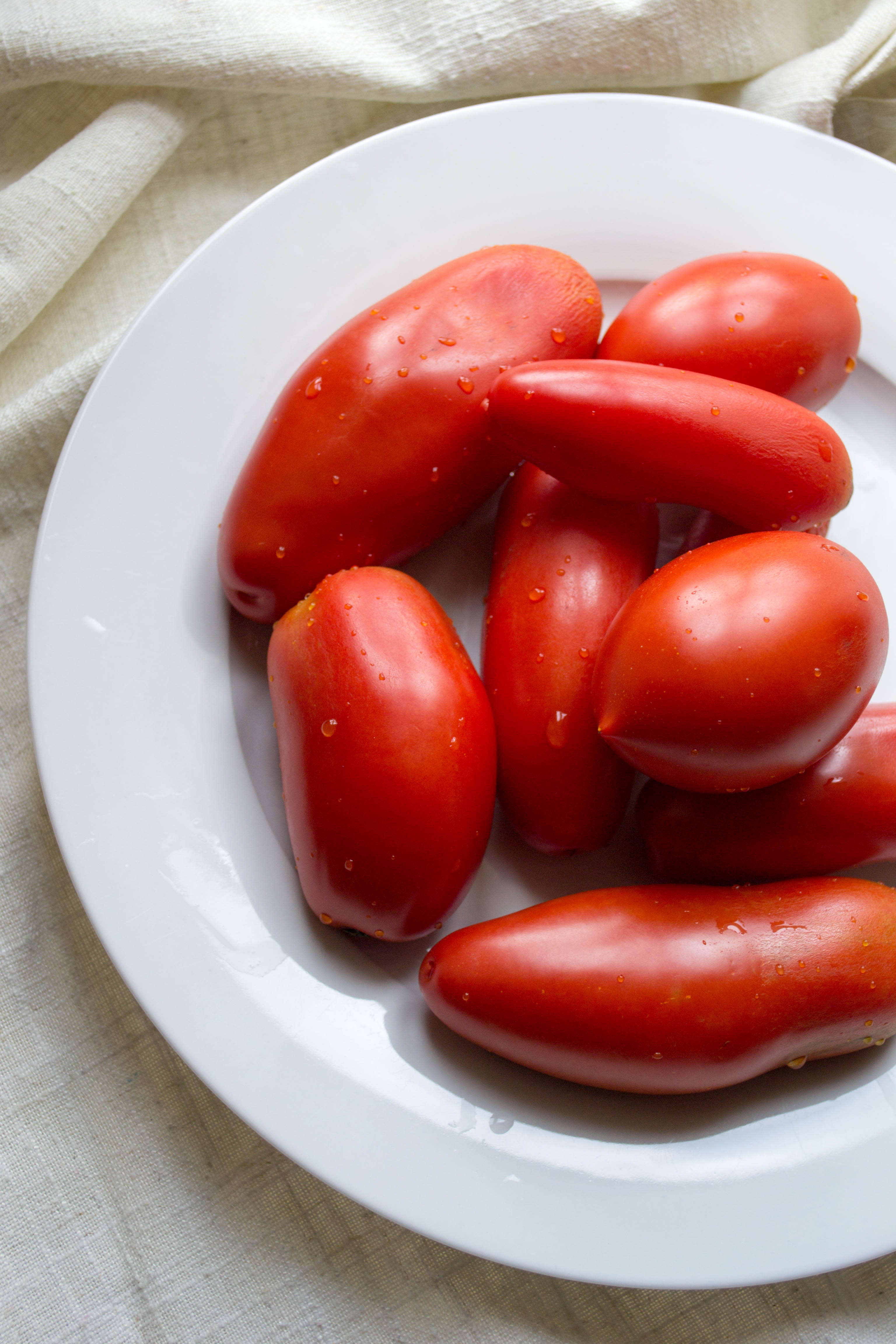
  • 500 g ripe tomatoes
  • 1 handful of fresh basil
  • 1 1/2 tbsp apple cider vinegar (or wine vinegar)
  • 2 tsp dried thyme
  • 1/2 tsp ground black pepper
  • approx. 2 tbsp extra virgin olive oil
  • a pinch of salt

Chop the stale bread into small chunks (even if you can’t make them too small, it will be fine anyway because it will break into crumbs later on) and in a large bowl mix it with water, vinegar, half of the oil, salt, pepper, and thyme. Mix well with your hands and start to create smaller crumbs, then add the chopped tomatoes and wait at least 10 minutes before serving (in this way the bread will soak better the tomatoes’ juice). Just before serving, add plenty of fresh basil and a little bit of olive oil.

A lovely variation: add 1 buffalo mozzarella (approx. 125 g)

*it doesn’t have to be sourdough, but it’s the option that tastes better. I would also suggest you to choose a whole grain bread.


Would you like to start having a healthier diet and lifestyle, but also start building lifelong healthy habits? Are you ready for a change but need some help to get started? Click on the button below to take the first step:

Book your free call

Panzanella (insalata con pane e pomodori)

(read in English)

Mi piacciono tantissimo le ricette in cui puoi utilizzare cose come il pane raffermo, o le banane troppo mature, o quello che resta quando fai le bevande vegetali in casa – non è soltanto un bellissimo modo per essere più creativi in cucina, ma è anche ovviamente una maniera per ridurre gli sprechi. La ricetta che troverete qui sotto è un esempio perfetto: un’insalata di pane raffermo e pomodori tipica della Toscana… semplice ma ricca di sapore! Io ormai l’ho preparata talmente tante volte ed ho sperimentato così tante varianti che sarebbe impossibile ricordarle tutte – ma per questo post ho deciso di soffermarmi su una versione un po’ più classica. Condividi una foto con me su Instagram se decidi di provarla, sono sempre curiosa di vedere le vostre creazioni in cucina! Chiara x

DSC_0290-2

DSC_0720

DSC_0658

DSC_0555

DSC_0838

Panzanella (insalata con pane e pomodori)

Ingredienti
(2-3 porzioni)

  • 150 g pane di pasta madre raffermo*
  • 500 g pomodori maturi
  • 1 manciata di basilico fresco
  • 1 1/2 tbsp aceto di mele (o di vino)
  • 2 tsp timo secco
  • 1/2 tsp pepe nero macinato
  • circa 2 tbsp olio extra vergine d’oliva
  • un pizzico di sale

Taglia grossolanamente il pane raffermo (non importa la dimensione esatta dei pezzi, perchè in seguito comunque si sbriciolerà) ed in una ciotola abbastanza capiente mischialo con acqua, aceto, metà del quantitativo indicato di olio, sale, pepe, e timo. Combina il tutto mischiando con le mani e creando dei pezzetti di pane più piccoli, poi aggiungi i pomodori tagliati a pezzetti ed aspetta almeno 10 minuti prima di servire (in questo modo darai un po’ di tempo al pane per inzupparsi con il sugo dei pomodori). Aggiungi il basilico ed un filo d’olio giusto prima di mettere in tavola la Panzanella

Un’ottima variante: aggiungi una mozzarella di bufala (circa 125 g)

*non deve essere per forza di pasta madre, ma è l’opzione che risulta più buona. Ti consiglio anche di scegliere un pane integrale.


Vorresti iniziare ad avere uno stile di vita ed un’alimentazione più sani, creando anche una serie di abitudini che possano diventare parte della tua vita d’ora in avanti? Non sai esattamente da dove iniziare? Clicca sul link qui sotto per fare il primo passo:

Prenota la tua chiamata gratuita

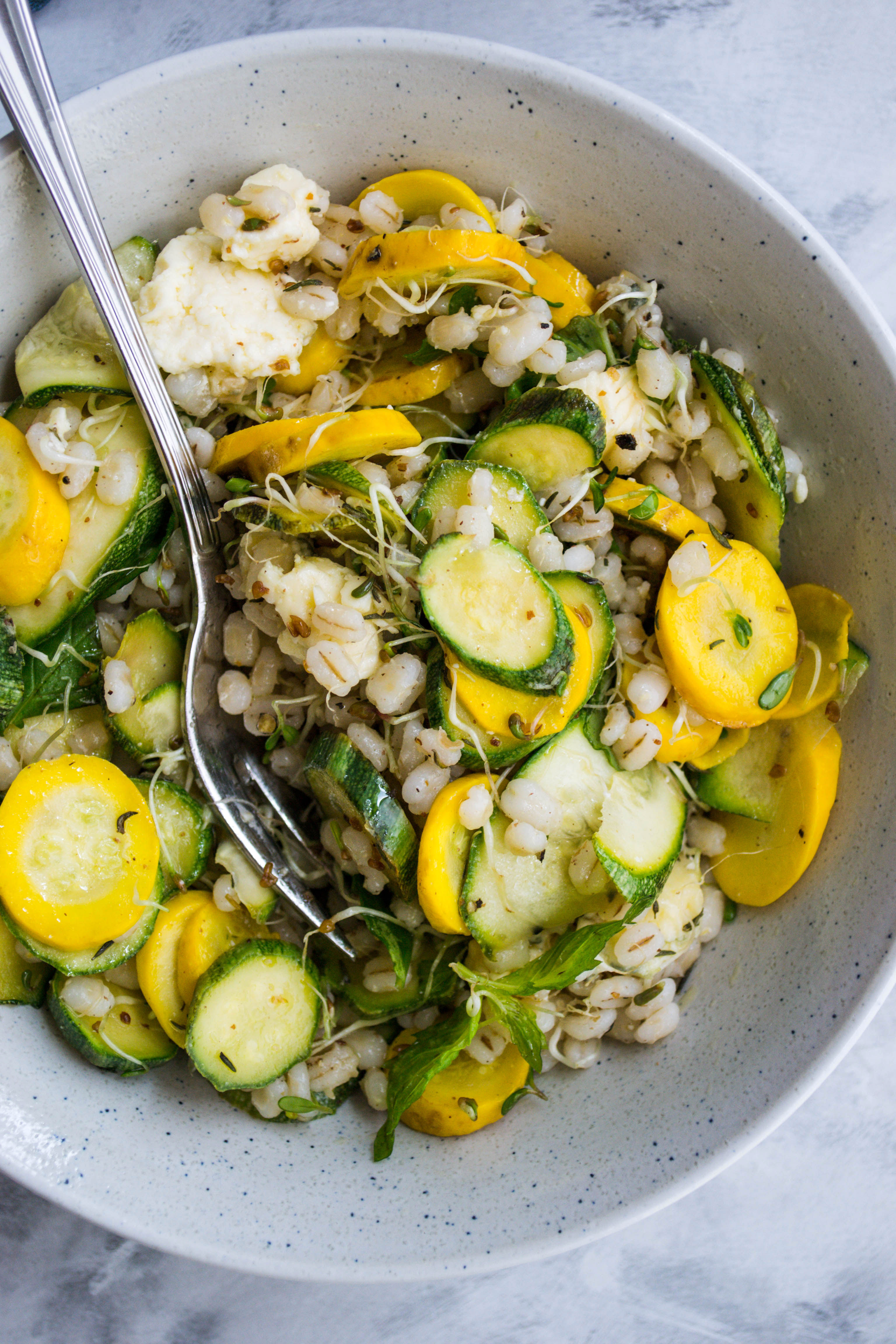
Insalata di Orzo con Zucchine e Blue Cheese

(read in English)

Barley salad with courgettes and blue cheese

Prepari qualcosa con l’orzo ogni tanto? Lo sai che l’orzo ha un buon contenuto di beta-glucani? Esatto, lo stesso tipo di fibre che trovi nell’avena! I beta-glucani sono dei polimeri del glucosio (polisaccaridi) presenti nella parete cellulare di cereali e altri cibi (ad esempio lieviti, alghe ed alcuni funghi come reishi e shiitake – sono anche presenti in altri cibi in piccole quantità). L’effetto positivo sul colesterlo che hanno cereali come l’avena e l’orzo è stato associato con il loro contenuto di fibre solubili. La struttura dei beta-glucani è diversa in base alla fonte da cui provengono (per esempio sono fibre solubili nei cereali ed insolubili nei lieviti… il potere della chimica!). Prenderti cura di te attraverso le tue scelte riguardanti sia il cibo che il tuo stile di vita può essere SEMPLICE E PIACEVOLE… è tutta questione di mettersi un po’ in discussione e dare una possibilità a piccoli cambiamenti quotidiani!

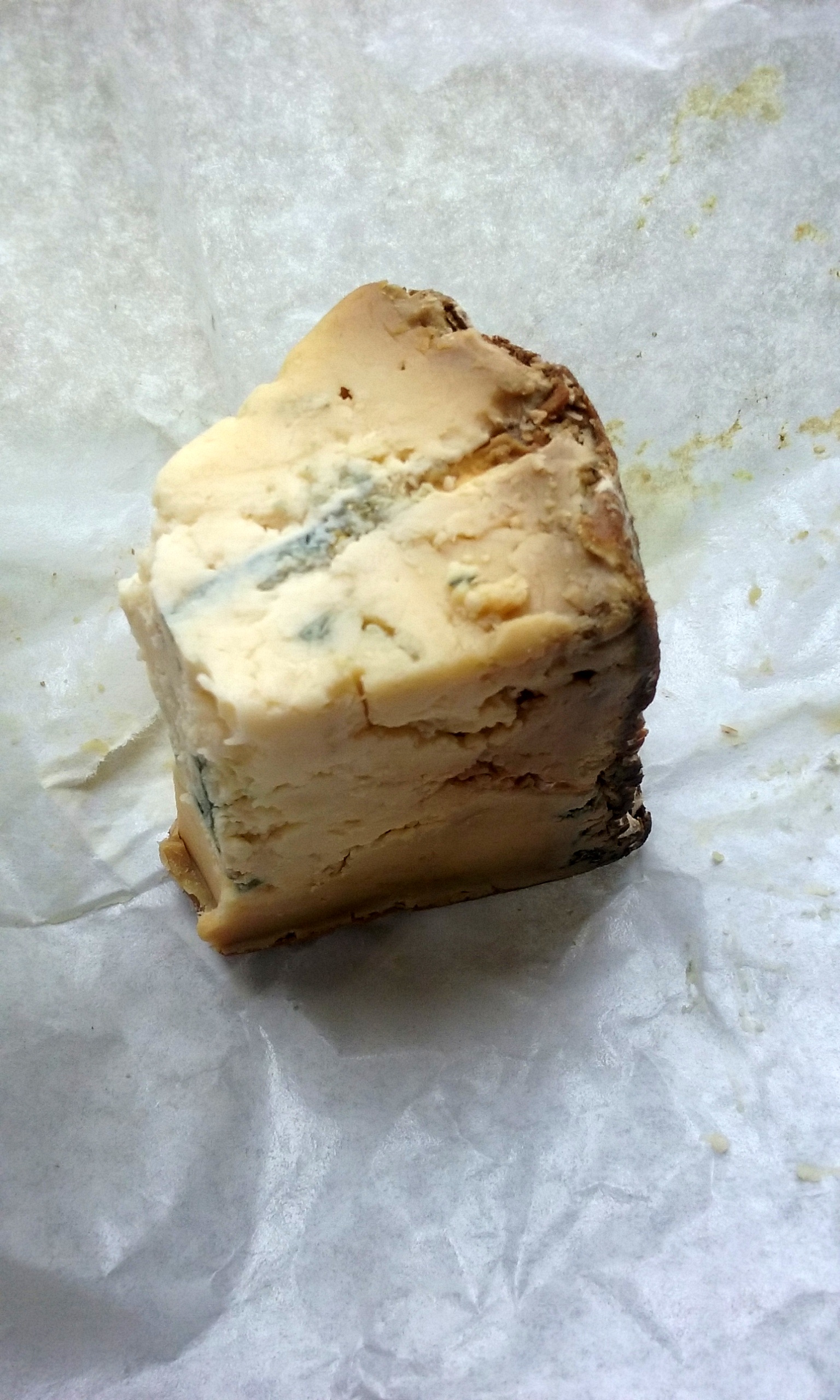
Di seguito troverai la ricetta per un’insalata fredda con orzo, zucchine e blue cheese – io ho usato un formaggio che in poco è diventato uno dei preferiti di casa, si chiama Young Buck ed è un buonissimo blue cheese fatto con latte crudo in Irlanda del Nord. Se vivi da queste parti ti consiglio di provarlo, ma puoi anche provare varie alternative su questo stile finchè non trovi il tuo preferito! Per chi non conosce il blue cheese: è un formaggio in cui la pasta è caratterizzata da venature bluastre, con un gusto ricco e pungente – può sembrare simile al Gorgonzola in apparenza, ma sia il sapore che la consistenza sono diverse.

Barley salad with courgettes and blue cheese

20170704_140527

Barley salad with courgettes and blue cheese

Insalata di Orzo con Zucchine e Blue Cheese

Ingredienti (per 2 persone)

  • 120 g di orzo
  • circa 340 g di zucchine
  • circa 40 g di blue cheese
  • 1 piccola manciata di germogli di alfa alfa
  • 1 cucchiaino di timo secco
  • il succo di 1 limone
  • 1/2 cucchiaino di semi di finocchio (sminuzzati in un mortaio)
  • olio d’oliva extra vergine
  • 1 piccola manciata di foglie di menta fresca
  • un pizzico di pepe nero

Cuoci l’orzo seguendo le istruzioni sulla confezione. Quando sarà pronto, sciacqualo con acqua fredda e scolalo bene. Mentre prepari l’orzo, puoi tagliare le zucchine in fettine sottili e saltarle in padella con un pochino d’olio d’oliva per circa 1-2 minuti – puoi anche decidere di dividere le zucchine in due parti, poi cuocerne una metà e lasciare l’altra cruda (per un risultato ottimale, ne lascerei un po’ crude soltanto se sono zucchine di piccole dimensioni, fresche ed ancora croccanti). Quando le zucchine si saranno raffreddate, mettile in una ciotola con le spezie, il timo secco, il succo di limone, l’orzo, il formaggio e l’olio. Mischia bene tutti gli ingredienti e lascia riposare l’insalata in frigo per circa 10 minuti. Aggiungi i germogli prima di servire e metti un po’ di foglie di menta sui piatti.


Se questo post ti è piaciuto, condividilo con i tuoi amici usando i links qui sotto. Non dimenticare di taggarmi @amatterofnourishment su Instagram se provi questa ricetta: mi piacerebbe molto vedere le tue creazioni!

Barley salad with courgettes and blue cheese

(read in Italian)

DSC_1476

Do you sometimes cook with barley? Do you know that barley has a good content of beta-glucan? Yes, the same fibre that you can find in oats! Beta-glucan is a glucose polymer (polysaccharides) found in the cell walls of cereals and other food (for example yeasts, seaweeds, and some mushrooms like shiitake or reishi – it’s also found in other foods in smaller amounts).

The positive effect of grains like barley and oats on cholesterol has been associated with their content of soluble fibre. The beta-glucan structure is different based on the food source (so they are for example soluble fibre in cereals and insoluble in yeasts.. the power of chemistry!). Taking good care of yourself through your food and lifestyle choices CAN BE EASY AND ENJOYABLE.. You just need to give it a go!

Below you’ll find the recipe for a salad with barley, courgettes, and blue cheese – I have used a cheese that has easily become a favorite in my house: Young Buck, a delicious raw milk blue cheese made in Northern Ireland. You can check it out if you’ve never tried it or do a little bit of research until you find one that you really like!

Barley salad with courgettes and blue cheese

20170704_140527

Barley salad with courgettes and blue cheese

Barley Salad with Courgettes and Blue Cheese

Ingredients (serves 2)

  • 120 g barley
  • approx. 340 g courgettes
  • approx. 40 g blue cheese
  • 1 small handful of alfalfa sprouts (or your favorite sprouts)
  • 1 tsp dried thyme
  • juice of 1 lemon
  • 1/2 tsp fennel seeds (crushed in a mortar)
  • extra virgin olive oil
  • 1 small handful of fresh mint leaves
  • a pinch of black pepper

Cook the barley according to the instructions on the package. When it will be ready, simply rinse it with cold water and drain well. While you wait for the barley to cook, you can prepare the other ingredients: cut into small slices the courgettes and cook them in a pan with a little bit of olive oil for 1-2 minutes – you can also decide to divide the courgettes into two parts, then cook some of them and leave the remaining veggies raw (to get the best results, I’ll do this only with small, fresh and crunchy courgettes). Once the courgettes will be cold, place them in a large bowl with spices, dried thyme, lemon juice, barley, cheese, and extra virgin olive oil. Mix well all the ingredients and set them aside in the fridge for approx. 10 minutes. Add the sprouts just before serving and top your bowls with some mint leaves.


If you liked this post, share it with your friends using the buttons below. Don’t forget to tag me @amatterofnourishment on Instagram if you try this recipe: I’d love to see your creations!

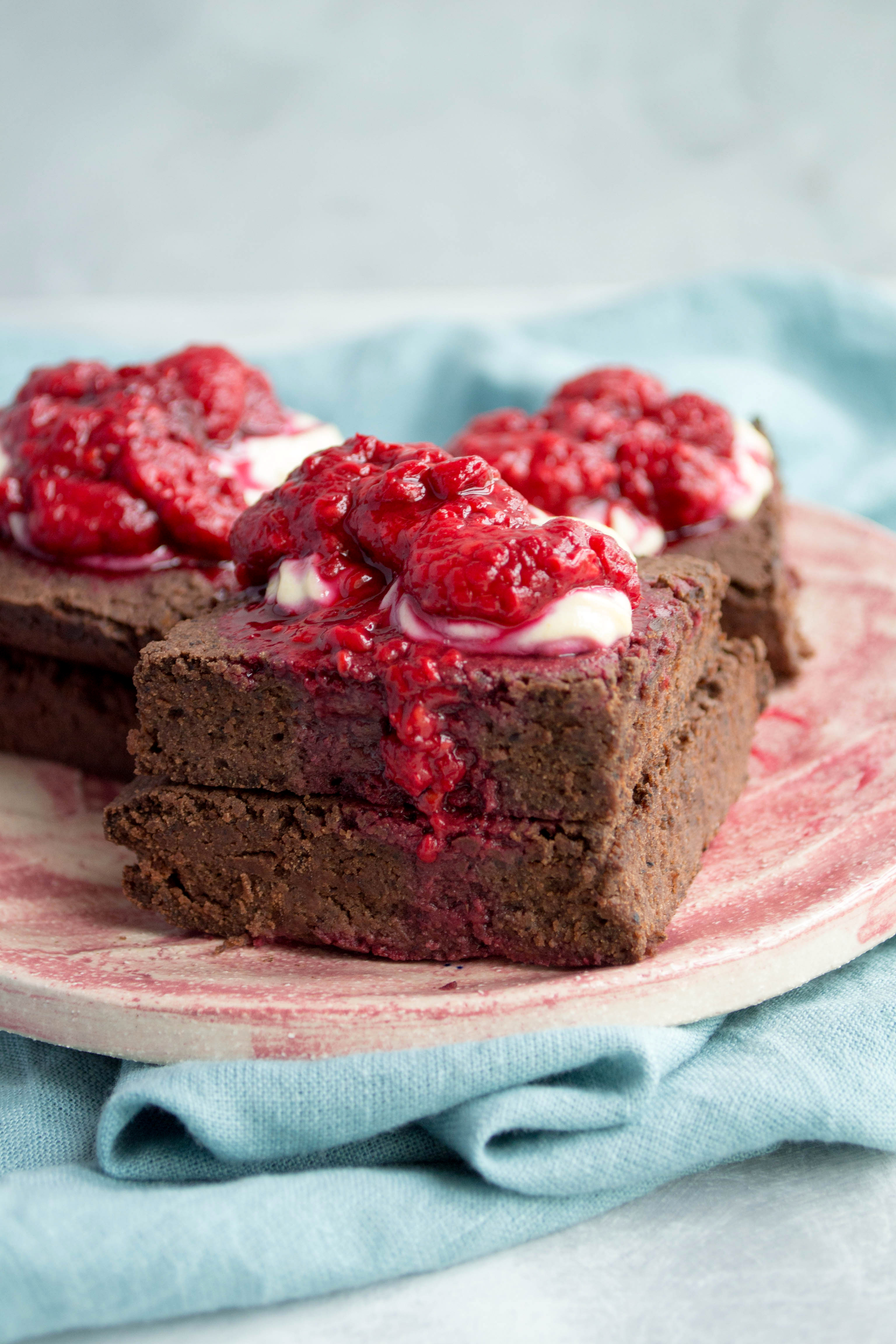
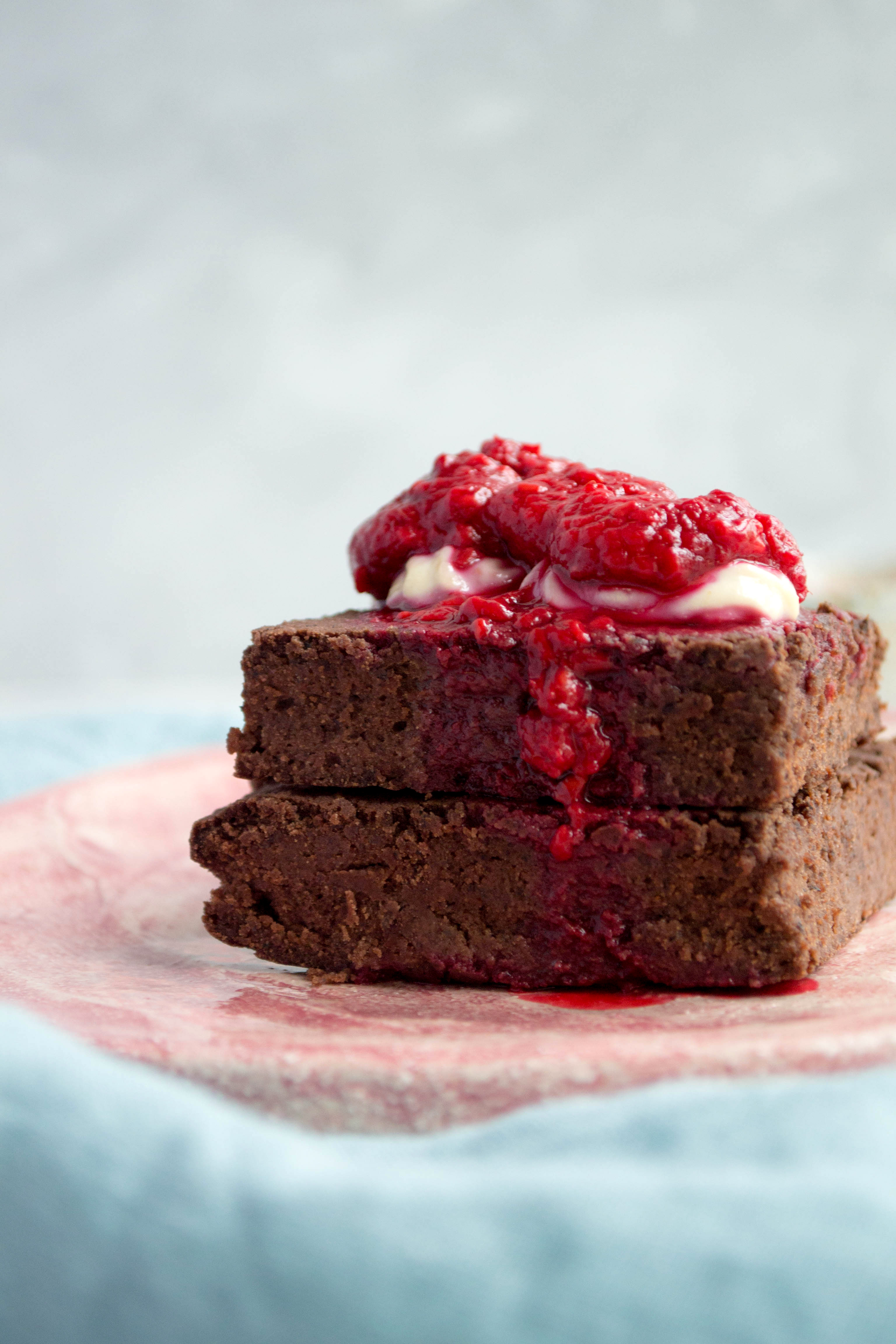
Brownies ai Fagioli Neri

(read in English)

Mi piace tantissimo riuscire a condividere il momento della colazione con il mio ragazzo – purtroppo non capita tutti giorni, ma cerchiamo di fare del nostro meglio! La vedo come un’occasione per passare più tempo insieme, parlare dei nostri impegni per la giornata, e condividere una colazione nutriente… Tante volte è anche un’opportunità per provare delle nuove ricette – esattamente quello che è successo con questi brownies. Li ho preparati un po’ di settimane fa provando ad ottenere una buona consistenza con alcuni ingredienti che avevo in mente: la prima volta erano decisamente troppo asciutti ma il sapore era promettente! La seconda volta, invece, erano buonissimi: con un po’ della classica consistenza da brownies, ma non troppo “bagnati”.. con la crosticina sopra, ma non troppo asciutti. Noi li abbiamo mangiati sia a colazione (accompagnati da un frullato), sia dopo cena come dessert.. ottimi in entrambi i casi!

DSC_1424

DSC_1256.jpg

DSC_1189

DSC_1326

Brownies ai Fagioli Neri

Ingredienti

  • 180 g fagioli neri cotti
  • 110 g farina di riso integrale
  • 2 1/2 cucchiai di cacao in polvere non zuccherato
  • 1 1/2 cucchiai di sciroppo di datteri
  • 25 g ghee (ammorbidito – puoi utilizzare l’olio di cocco per una versione vegana, ma aggiungine un pochino di più rispetto al ghee)
  • 1 1/2 cucchiaino di lievito per dolci
  • 1 1/2 cucchiaino di zenzero fresco grattugiato
  • circa 200 ml bevanda agli anacardi

Frulla i fagioli, la bevanda agli anacardi, e lo zenzero finchè non ottieni una crema omogenea. Mettila poi in una ciotola ed aggiungi gli altri ingredienti (includendo il lievito per dolci alla fine) – mischia bene affinchè non ci siano grumi. Metti l’impasto dei brownies nella teglia, aggiustando la superficie con una spatola o il retro di un cucchiaio. Cuoci in forno preriscaldato a 180°C per circa 20-25 minuti – saranno pronti quando la parte superiore inizierà ad essere rigida ed si sarà formata una crosticina. Lascia raffreddare i brownies prima di tagliarli.

Puoi servirli con sopra yogurt Greco, cannella, e lamponi.

  • si conservano in un contenitore ben chiuso in frigo per qualche giorno
  • è importante che l’impasto dei brownies sia omogeneo e non ci siano pezzi di fagioli, per ottenere poi una buona consistenza dei brownies quando saranno cotti
  • i dolci o simili fatti con la farina di riso tendono a seccarsi facilmente, quindi non lasciarli troppo a lungo nel forno
  • sia la bevanda agli anacardi, sia il ghee (o olio di cocco) sono importanti per ottenere la classica consistenza “umida” dei brownies finiti


Vorresti iniziare ad avere uno stile di vita ed un’alimentazione più sani, creando anche una serie di abitudini che possano diventare parte della tua vita d’ora in avanti? Non sai esattamente da dove iniziare? Clicca sul link qui sotto per fare il primo passo:

INIZIAMO!


Pesto con Kale e Basilico

(read in English)

Estate significa abbondanza di basilico fresco… quale modo migliore di utilizzarlo se non preparando un po’ di pesto? Per quanto mi piaccia quello tradizionale con formaggio e pinoli, mi annoio anche facilmente e mi piace dunque sperimentare un po’ in cucina con nuove ricette! Questa, ad esempio, è incentrata su basilico, kale (o cavolo riccio), e semi di zucca: il sapore è ovviamente un po’ diverso da quello del pesto classico, ma è comunque un mix dal gusto ricco e che si sposa benissimo con una fetta di pane o con un piatto di pasta.

Parliamo un pochino della kale! Siete tra quelli che vanno matti per la kale o no? Durante gli ultimi anni, la kale è stata uno dei cibi “healthy” più di tendenza, ma onestamente, se non vi piace, non c’è ragione per forzarsi a mangiarla! Ci sono tanti altri tipi di verdura che potete includere nelle vostre giornate e sono comunque ricchi di nutrienti. Da me la kale è uno dei punti fissi della spesa della settimana e la usiamo principalmente nelle insalate, ma anche per preparare delle chips al forno e, ovviamente, per il pesto! Una piccola curiosità: sapete che qui in Irlanda in realtà la kale è sempre stata coltivata, ma era passata un po’ in disuso ed è ritornata in auge negli ultimi anni?

La kale fa parte della famiglia dei cavoli, è ricca di vitamine come la C, A, K, B6, ma anche minerali come magnesio, ferro, potassio, calcio. Insieme alla vitamina C ed al beta-carotene, ha anche altri composti che svolgono il ruolo di antiossidanti, come i flavonoidi ed i polifenoli (gli antiossidanti sono composti molto importanti che ci aiutano rivestendo un ruolo protettivo dagli effetti dello stress ossidativo e dei radicali liberi – quindi, ad esempio, possono aiutarci con fattori come l’infiammazione o l’invecchiamento). La kale contiene anche alcuni composti che possono essere d’aiuto per abbassare il livello di colesterolo. Una verdura ricca di sorprese, giusto?

Alcune ricerche interessanti:
Antioxidants and kale
Binding of bile acids by kale (for cholesterol)
Kale and postprandial glucose level

DSC_1173

DSC_1142.jpg

DSC_1124

PESTO CON KALE E BASILICO

Ingredienti

  • 100 g semi di zucca
  • circa 40 g di basilico, gambi inclusi
  • circa 150 g di kale
  • succo di 1 limone
  • circa 100-120 ml di olio extra vergine d’oliva
  • 1 cucchiaio e mezzo di capperi (opzionale – un’alternativa buonissima ispirata da un post di Green Kitchen Stories)

Fai tostare i semi di zucca in forno preriscaldato a 150°C per alcuni minuti, giusto finchè non inizieranno a diventare dorati. Lasciali raffreddare, poi aggiungili nel frullatore insieme al succo di limone, ed una parte del basilico: risulta pratico aggiungere il basilico e la kale in piccole parti, frullando man mano – ogni tanto ferma il frullatore e togli il mix dalle pareti del frullatore, per poi continuare a prepare il pesto. Quando questi ingredienti saranno tritati grossolanamente, inzia ad aggiungere l’olio, sempre in piccole parti. Puoi adattare secondo le tue preferenze sia la quantità di olio che quella di limone. Conserva il pesto in frigorifero in un vasetto chiuso per alcuni giorni con un sottilissimo strato d’olio sopra (giusto la minima quantità necessaria per tenere il pesto coperto con l’olio).


Vorresti iniziare ad avere uno stile di vita ed un’alimentazione più sani, creando anche una serie di abitudini che possano diventare parte della tua vita d’ora in avanti? Non sai esattamente da dove iniziare? Clicca sul link qui sotto per fare il primo passo:

INIZIAMO!

Kale and Basil Pesto

(read in Italian)

Summer means plenty of fresh basil available.. and what a better way to use it than making pesto? I like the traditional one with cheese and pine nuts, but I get bored easily so I always like to get creative and try new food combinations. This recipe calls for basil, kale, and pumpkin seeds: the taste is a little bit different obviously, but it’s rich in flavor and pairs well with a slice of sourdough bread or some pasta.

Let’s briefly talk about kale! Are you among kale lovers or not? Kale has been one of the most trendy healthy foods around for the last few years, but honestly, if you don’t like it, there’s no need to force yourself to eat it! There are many other nutritious veggies that you can include in your days. I honestly love kale and is usually a weekly staple in my grocery shopping – I mainly use it in salads, oven-baked chips and, obviously, pesto!

Kale is a member of the cabbage family, rich in vitamins like C, A, K, B6, but also minerals like magnesium, iron, potassium, calcium. Among vitamin C and beta-carotene, it has other compounds with antioxidant activity, like flavonoids and polyphenols (antioxidants are important compounds that help us working as a protection from the effect of oxidative stress and free radicals – so, for example, they may help us dealing with inflammation and aging). Kale contains also some compounds that may help us to lower the cholesterol levels in the body. Sounds like a mighty little plant, right?

Interesting studies:
Antioxidants and kale
Binding of bile acids by kale (for cholesterol)
Kale and postprandial glucose level

DSC_1173

DSC_1142.jpg

DSC_1124

KALE AND BASIL PESTO

Ingredients

  • 100 g pumpkin seeds
  • approx. 40 g basil, stems included
  • approx. 150 g kale
  • juice of 1 lemon
  • approx. 100-120 ml extra virgin olive oil
  • 1 1/2 tbsp capers (optional – delicious variation inspired by a post from Green Kitchen Stories)

Toast the pumpkin seeds in a pre-heated oven at 150°C for a few minutes, just until they start to turn golden. Wait until they are cold to add them in the blender, with the lemon juice and a small part of the basil: it’s better to add basil and kale in small portions – blend for a few minutes, pausing from time to time and scraping the walls. When your ingredients will be finely chopped, start adding the olive oil in portions. You can adjust the amount of both oil and lemon juice to your preferences. Store in the fridge in a closed jar for a few days with a thin layer of olive oil on top (just to keep the top covered with oil).


Would you like to start having a healthier diet and lifestyle, but also start building lifelong healthy habits? Are you ready for a change but need some help to get started? Click on the button below to take the first step:

I’M READY!

Almond, Pecan and Pumpkin Seed Butter

How many times have you planned to start a diet next Monday, next January, next week? And, honestly, how many times did you give up before starting or just after a few days? What if today you decide to stop looking for a quick fix or trying to follow the latest trendy diet… and you simply start working on yourself?⠀

  • rethink your goals⠀
  • set intentions⠀
  • be sure that what you’d like to achieve is something that really matters to you⠀
  • focus on simple changes first⠀
  • work on your mindset⠀
  • start creating LIFELONG healthy habits⠀

Not easy, not quick… but so rewarding! Start all of this process by speaking clearly to yourself in a non-judgemental way. Just be honest and have a better look inside yourself!

What can be your first simple step today? Write down your shopping list for this delicious nuts+seeds butter and get ready to make it soon! Use it as a chance to

  • spend a little bit of time in the kitchen
  • cook something tasty and packed with nutrients
  • get more creative in the kitchen
  • prepare in advance something to add to your next breakfast or snack
  • be more aware when cooking and eating

Enjoy your nut and seed butter on toasted bread with some berries, as topping for your porridge, or use it for energy balls! Chiara x

Almond, Pecan and Pumpkin Seed Butter

Ingredients:

  • 100 g almonds
  • 50 g pecan nuts
  • 150 g pumpkin seeds
  • a pinch of vanilla powder

Place your nuts and seed on a baking tray and roast for approx. 10-15 minutes in a pre-heated oven at 150°C (I prefer to start with nuts only, then add the pumpkin seeds a little bit later since they tend to burn quite easily). Leave them to cool down almost completely and then use your mixture to prepare the butter in a food processor or blender: this part will take some time, especially depending on the kitchen appliance that you have – if your blender or food processor starts to warm up too much or smell a little, simply stop for a while and start again later. It takes a while for both nuts and seeds to release their oil and get into a smooth paste – below you’ll find the step by step photos, to understand better how this process works. Store your butter in a closed jar in the fridge.


Are you ready to work on your diet/lifestyle and change what doesn’t work well… but need some help to get started? Click on the button below to take the first step:

SCHEDULE A FREE CONSULTATION

Brownies with Black Beans

(read in Italian)

Love when I can manage to share a nice breakfast with my better half – unfortunately, it doesn’t happen every day. I see that as a chance to spend some extra time together, talk about the day ahead, and share nourishing food… or even try new recipes! This is what happened with these brownies. I have prepared them a few weeks ago trying to get a nice texture with some specific ingredients: the first time they turned out too dry, but definitely promising! The second time they were delicious: moist but not too chewy, with a lovely crust, but not too dry. We enjoyed them as part of our breakfast (with a smoothie), and as a dessert to share after dinner.

DSC_1424

DSC_1256.jpg

DSC_1189

DSC_1326

Brownies with Black Beans

Ingredients

  • 180 g cooked black beans
  • 110 g brown rice flour
  • 2 1/2 tbsp unsweetened cacao powder
  • 1 1/2 tbsp date syrup
  • 25 g ghee (softened – you can use coconut oil as a vegan option, add a little bit more than ghee)
  • 1 1/2 tsp baking powder
  • 1 1/2 tsp freshly grated ginger
  • approx. 200 ml cashew drink

Blend beans, cashew drink, and ginger into a smooth paste. Place it in a large bowl and add all the other ingredients (add the baking powder at the end) – mix well until there are no lumps. Pour the batter into the pan, then smooth the top with a spatula or a spoon. Cook in a preheated oven for approx. 20-25 minutes at 180°C – they will be ready when the top is firm and you start to get a nice crust. Allow the brownies to cool down before cutting them into squares.

You can serve them with Greek yogurt, cinnamon, and raspberries on top.

  • Store them in an air-tight container in the fridge for a few days
  • It’s important to get a smooth black bean paste to get a great final texture for your brownies
  • Rice flour tends to get dry easily, so don’t leave them too long in the oven
  • Both the cashew drink and ghee (or coconut oil) are important to get the characteristic moist texture


Would you like to start having a healthier diet and lifestyle, but also start building lifelong healthy habits? Are you ready for a change but need some help to get started? Click on the button below to take the first step:

I’M READY