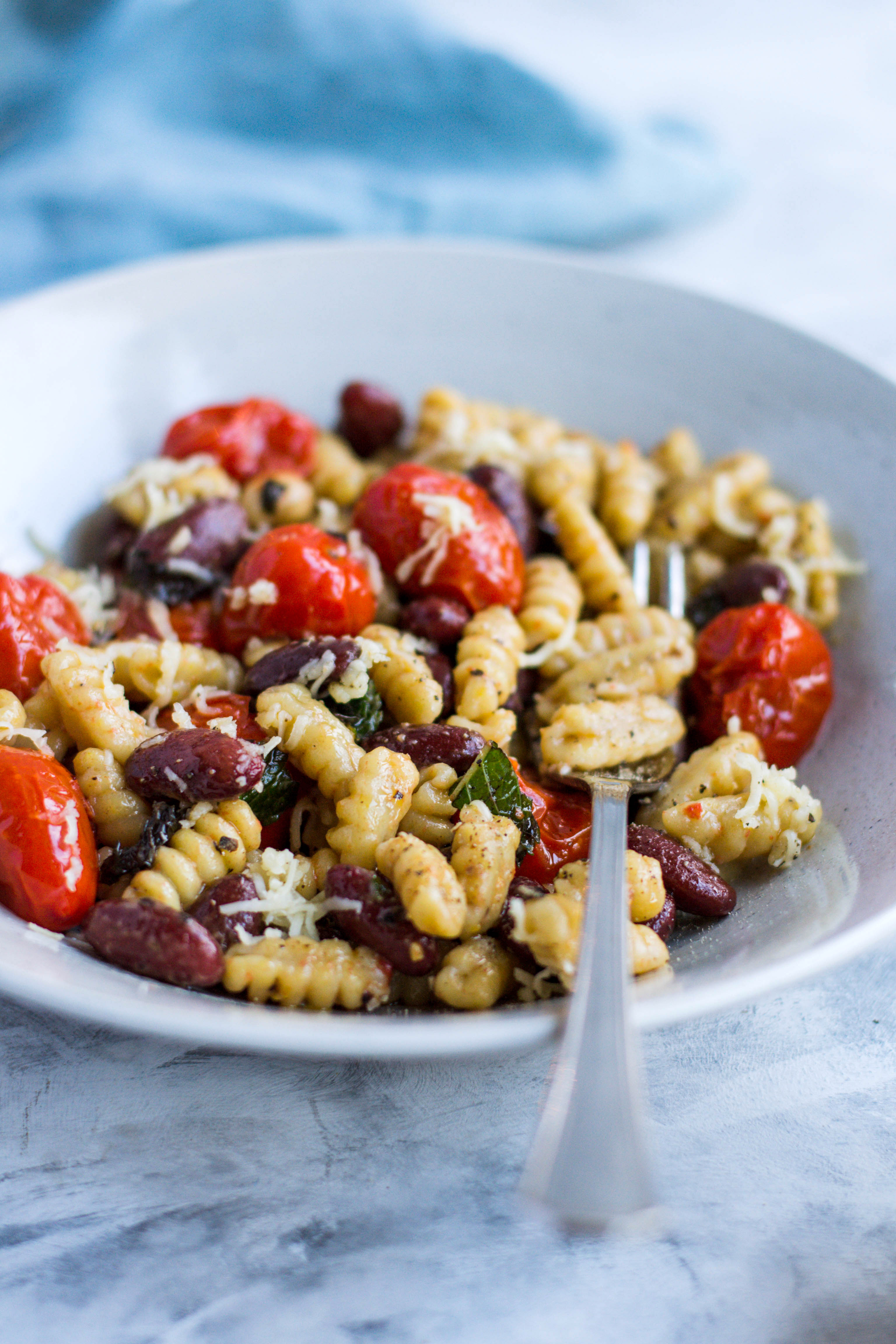
Pasta with beans, tomatoes, and a simple cheese sauce

(read in Italian)

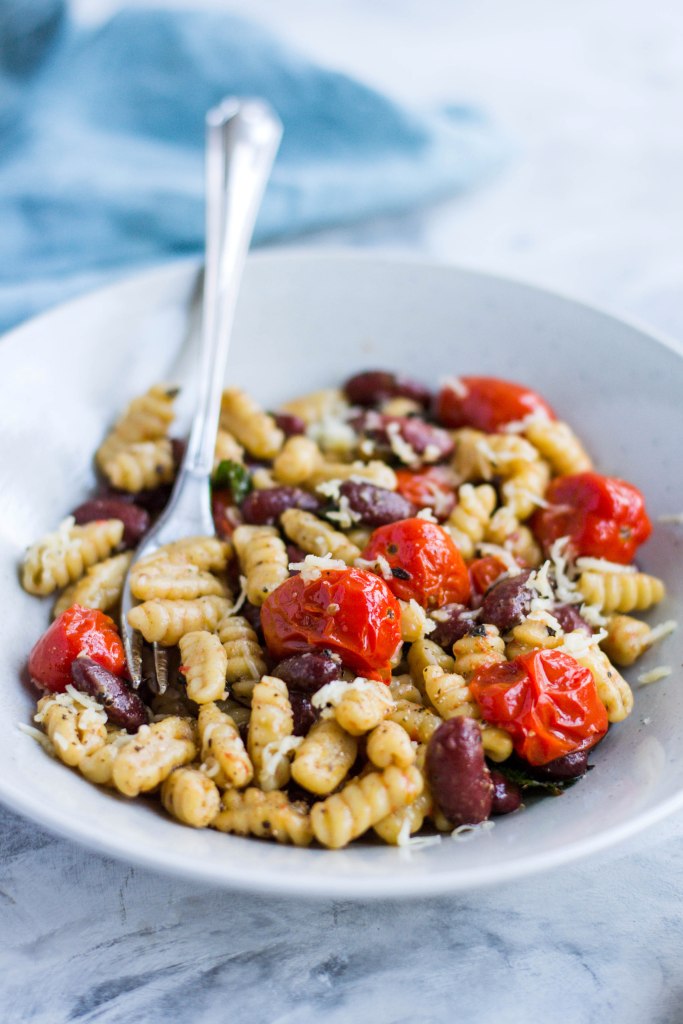
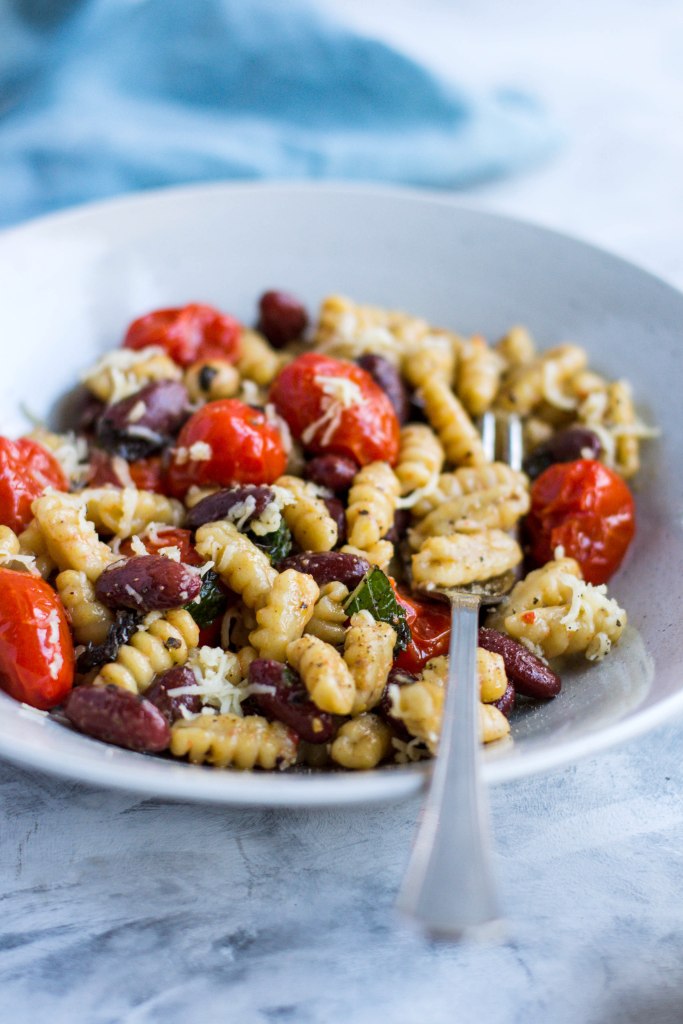
A delicious and simple homemade sauce for pasta made with red kidney beans, sautéed tomatoes, and aged cheese: this vegetarian recipe doesn’t need many words; it’s the ultimate comfort food with a good balance between deliciousness, nutrients, and simplicity.

Pasta with beans, tomatoes, and cheese

THERE ARE A FEW THINGS I’M USUALLY LOOKING FOR IN A SAUCE FOR PASTA:

  • creaminess: nothing can beat pasta coated in a tasty sauce, even if it’s just made of tomatoes
  • flavor: the ideal sauce combines well with the pasta in a mouth-watering experience and the two flavors don’t cover each other
  • simplicity: the best sauce is the one you can prepare in the same time (or less) that takes you to cook the pasta
  • extra nutrients: the easiest way to create a more nutritious meal in minutes. No need to think about something else to pair with your bowl of pasta: simply add some ingredients in the sauce! If you don’t have anything that can help you in getting a creamy result, use the blender and, in a matter of minutes, you’ll turn a red pepper and a tbsp of tahini (just to give you an example) into a tasty pasta sauce

Sometimes all you’ll be looking for in a bowl of pasta will be taste and maybe you’ll want to eat or cook a specific recipe, so there’s no room for adding ingredients and extra nutrients: that’s absolutely fine! Not every meal needs to be perfectly balanced or with something extra: it’s important to know that you can create some recipes like the one in this post and use it as a chance to include more nutrients into your days, but this doesn’t mean that a simpler option is off the table.

This recipe with a simple cheese sauce (that somehow reminds me of a “cacio e pepe” pasta), red kidney beans, ripe tomatoes, and good quality extra virgin olive oil ticks all the boxes.

To get the best out of this meal, choose your favorite short-cut pasta: here I’ve used some homemade gnocchetti sardi, but orecchiette or mezze maniche would be delicious, too. Use gluten-free pasta if necessary.

Homemade pasta (gnocchetti sardi) to go with beans, tomatoes, and cheese
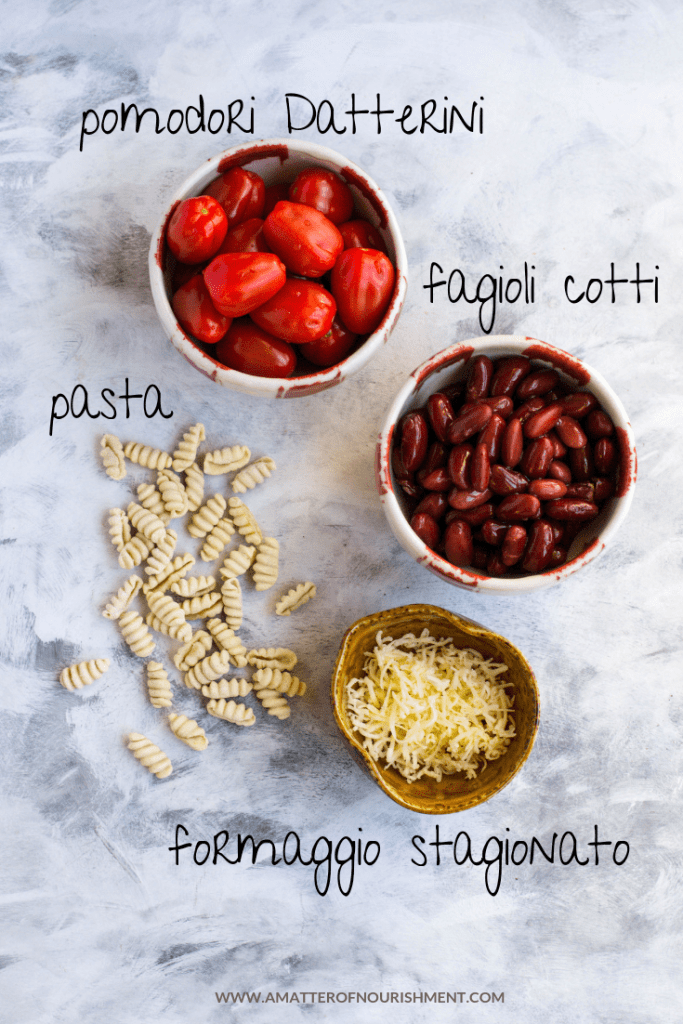
Ingredients for a simple pasta sauce with beans, tomatoes, and cheese
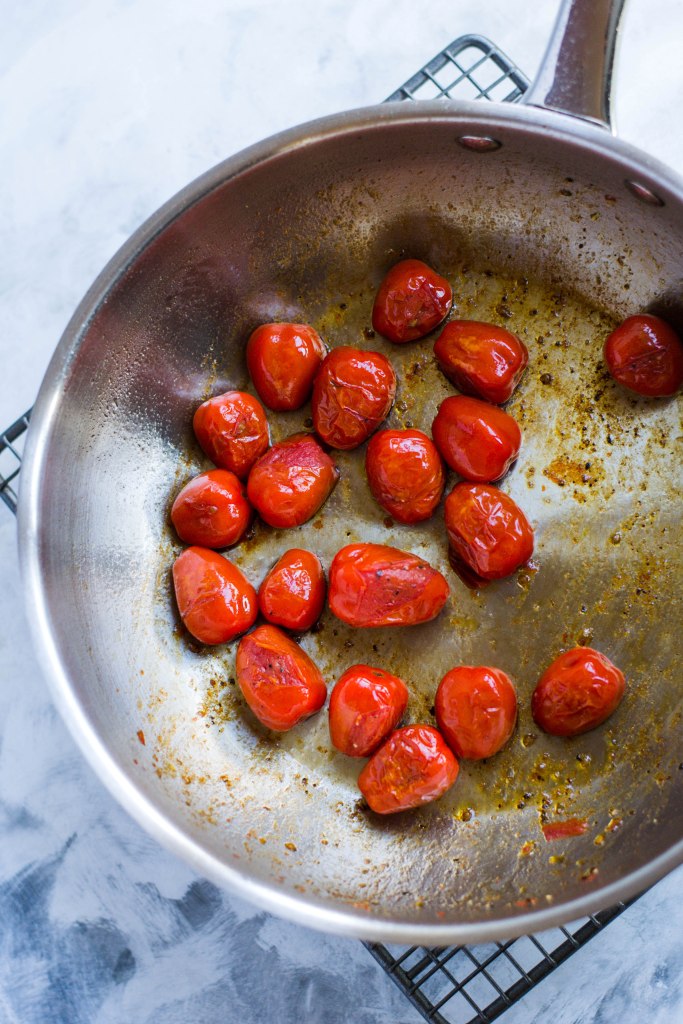
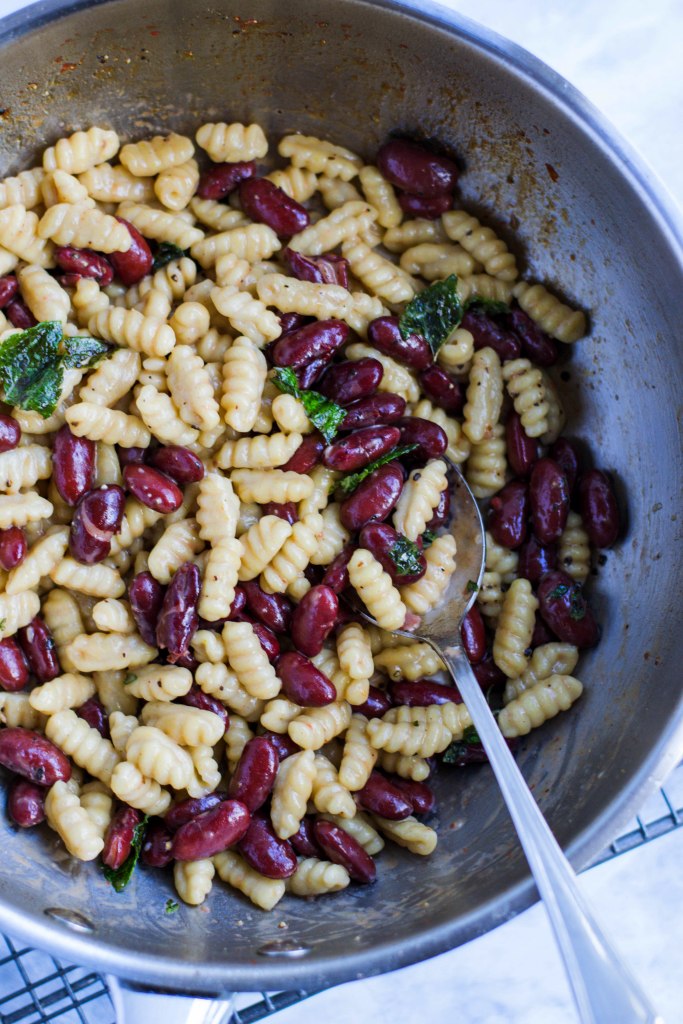
Sautéed tomatoes for the pasta sauce
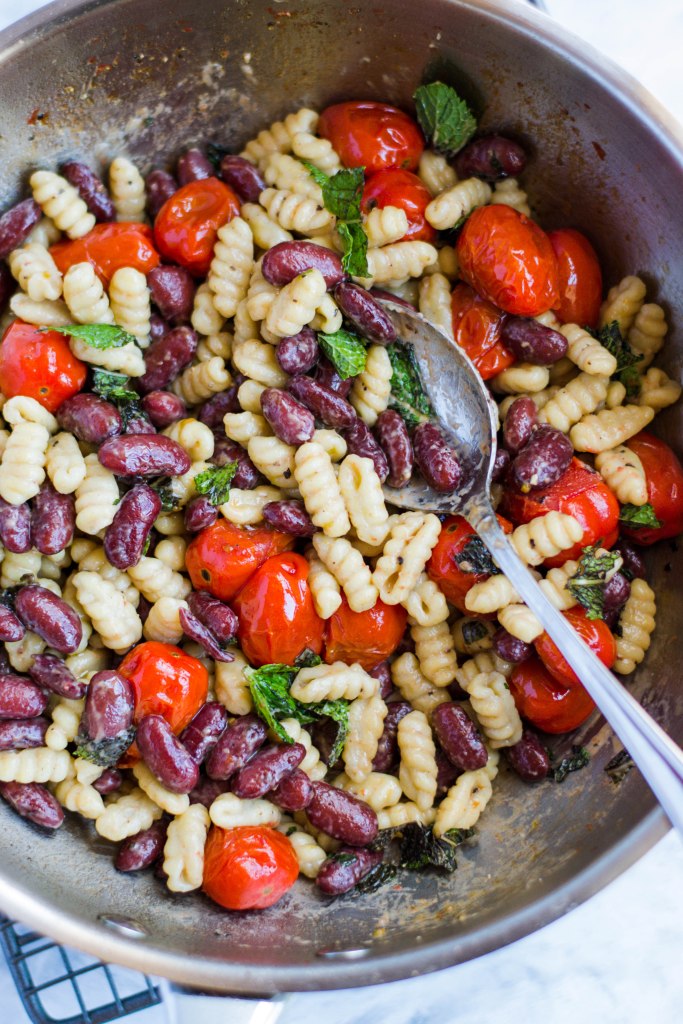
Vegetarian pasta sauce with cheese, beans, and mint
Pasta with beans, tomatoes, and cheese

PASTA WITH BEANS, TOMATOES, AND CHEESE

Ingredients (serves 2-3)

  • 120 g dry pasta
  • 160 g cooked red kidney beans
  • 220 g ripe baby plum tomatoes (Datterini)
  • 3 tbsp grated aged cheese (a good cheese made with sheep’s milk would be perfect, but you can also use a mature cheddar or mix these two kinds of cheese)
  • 3 tbsp fresh mint leaves
  • 1/2 tsp black pepper (better if freshly grounded)
  • extra virgin olive oil

For this recipe, you’ll need to cook your pasta a bit less than what you would do to make it “al dente”, so it won’t end up being overcooked. Cook your pasta as you would usually do in a pot of boiling water. When the pasta will be ready, set it aside (dry) tossed with a drizzle of olive oil.

Heat a drizzle of olive oil in a pan, then carefully add the tomatoes and the black pepper: stir for approx. 30 seconds then add 4-5 tbsp of warm water and use a fork to make one small hole in each tomato. Keep stirring the ingredients until there’s no water left. Set aside the tomatoes and add 4-5 tbsp of cooking water from the pasta into the same pan you’ve just used: add the grated cheese and stir well, then add the beans and the pasta. Keep stirring for approx. 30 seconds to 1 minute, until you’ll get a creamy result. Add the chopped mint leaves and the tomatoes at the end, just to warm them up. Serve warm to get the most out of the cheese sauce – add more black pepper on top if necessary and a sprinkle of grated cheese (optional).

If you liked this post, share it with your friends using the buttons below. Don’t forget to tag me @amatterofnourishment on Instagram if you try this recipe: I’d love to see your creations!

Salsa all’avocado

(read in English)

Una semplice salsa vegana a base di avocado e preparata con pochi semplici ingredienti: un modo pratico, veloce e versatile per cambiare l’aspetto, il gusto ed il contenuto di nutrienti di tantissimi piatti.

Creamy vegan avocado sauce (recipe from amatterofnourishment.com)

Idee come questa saranno sicuramente utili per un pranzo veloce o in quei giorni in cui non è rimasto molto tra cui scegliere in dispensa: gli avocado sono ricchi di nutrienti e con tutta la loro cremosità non hanno bisogno di molta preparazione per essere il punto di partenza di qualcosa di buono!

Qual è il tuo modo preferito per mangiare l’avocado? Qui ci sono alcune opzioni interessanti:⠀

  • avocado su pane tostato con succo di limone, pepe nero e pepe di cayenna o peperoncino secco
  • l’avocado a pezzi è un ingrediente versatile che si sposa bene con tanti tipi di insalata
  • toast di pane di pasta madre con avocado e uova o salmone affumicato
  • i frullati con l’avocado diventano incredibilmente cremosi
  • quando abbinato al cioccolato, un avocado maturo è l’ingrediente perfetto per i pancakes

Nella maggior parte delle ricette, l’avocado viene utilizzato a crudo: alle volte, ti capiterà di leggere qualche preparazione in cui quest’ingrediente viene cotto (come in questi pancakes). Anche se cuocere l’avocado non è propriamente la scelta ideale dal punto di vista nutrizionale (meglio consumarlo crudo per preservarne i nutrienti), certe volte la scelta migliore per te non è quella che sembra PERFETTA ma quella che ti porta più GIOIA!

L’AVOCADO HA UN PROFILO NUTRIZIONALE DAVVERO UNICO

Gli avocado sono ricchi di grassi buoni e fibre, ma hanno anche un alto contenuto di vitamine e minerali (come la vitamina K, C, E, vitamine del gruppo B, acido folico, potassio, magnesio). In 100 g di prodotto ci sono 160 calorie, 2 g di proteine, 9 g di carboidrati (7 g di fibre) e 15 g di grassi.

Creamy vegan avocado sauce (recipe from amatterofnourishment.com)

SALSA ALL’AVOCADO

Ingredienti:

  • avocado maturo di dimensioni medie
  • succo di 1 limone
  • 1 cucchiaio di olio extra vergine d’oliva
  • 1 cucchiaino di miele (opzionale)
  • 1 cucchiaino di semi di mostarda nera (sminuzzati in un mortaio)
  • un pizzico di cannella in polvere
  • un pizzico di noce moscata
  • un pizzico di sale

Metti tutti gli ingredienti in un frullatore o in un robot da cucina: aggiungi una piccola quantità di acqua se necessario per regolare la consistenza della salsa e frulla fino ad ottenere un risultato omogeneo.

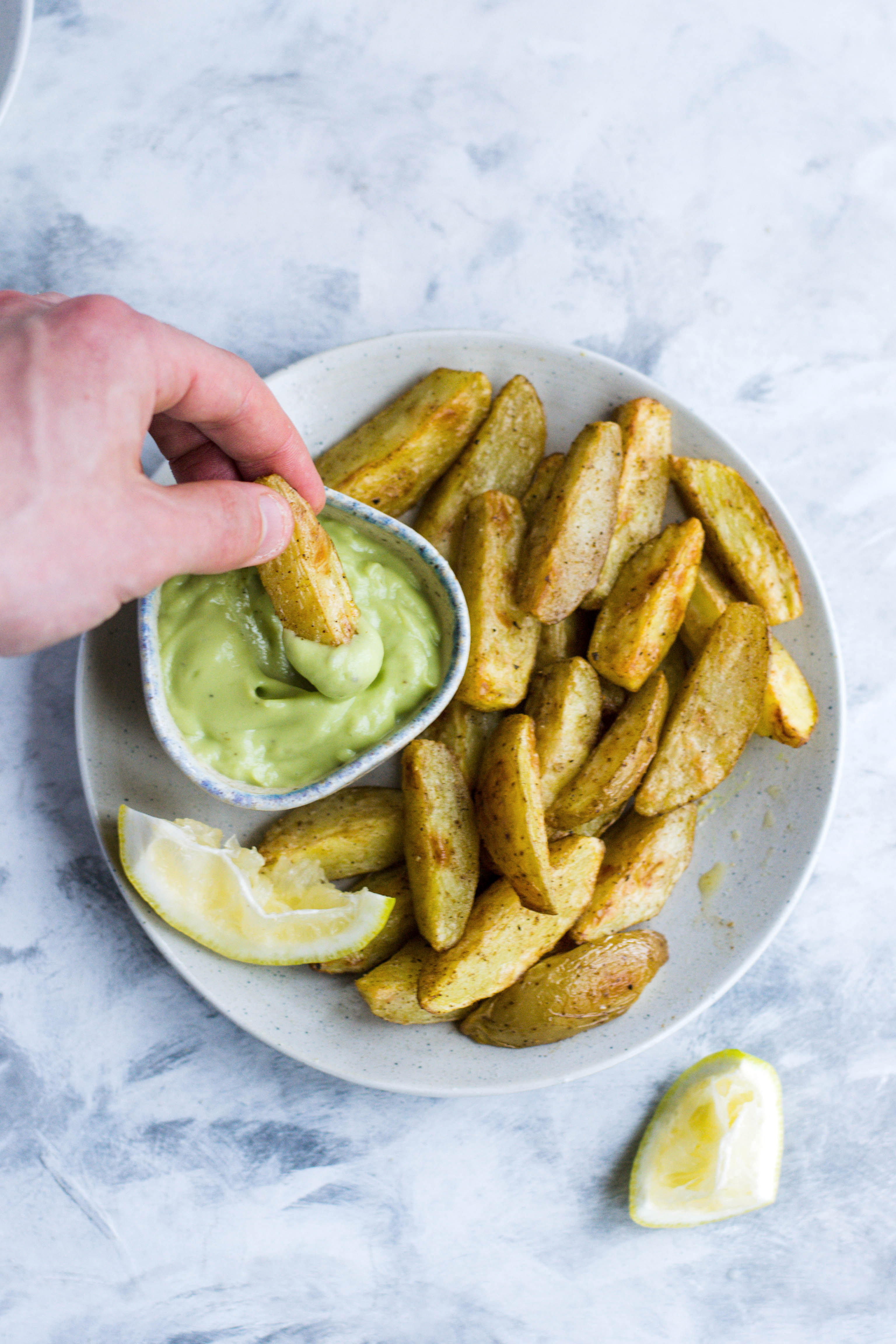
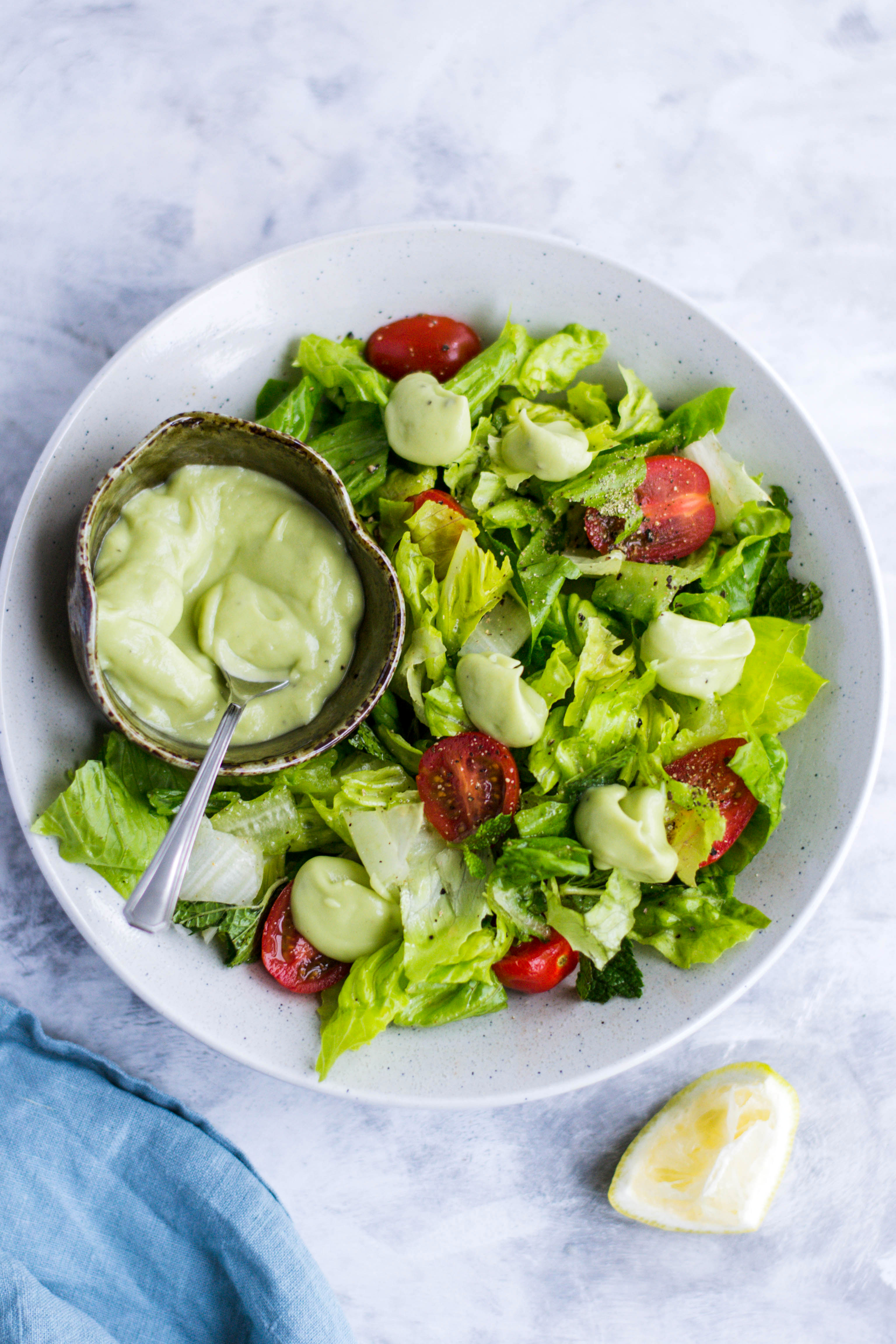
Questa salsa si abbina molto bene con patate arrosto, verdure grigliate, insalate o una fetta di pane tostato.

Se questo post ti è piaciuto, condividilo con i tuoi amici usando i link qui sotto. Non dimenticare di taggarmi @amatterofnourishment su Instagram se provi questa ricetta: mi piacerebbe molto vedere le tue creazioni!

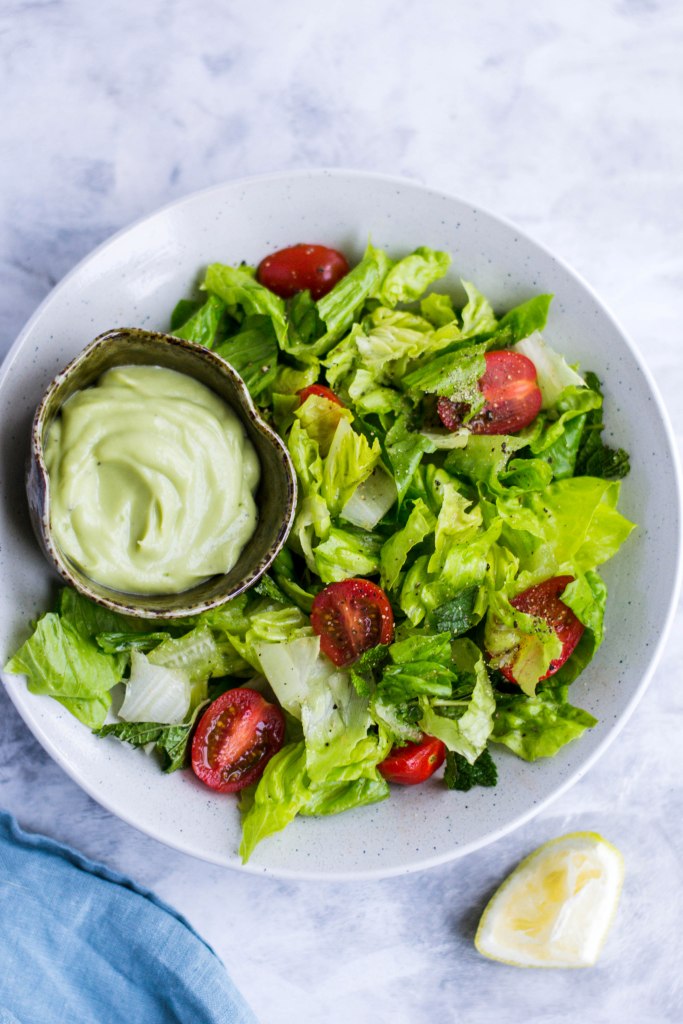
Creamy avocado sauce

(read in Italian)

A simple vegan green sauce made with avocado and a few other ingredients that will easily change up the look, taste, and nutritional content of your meal.

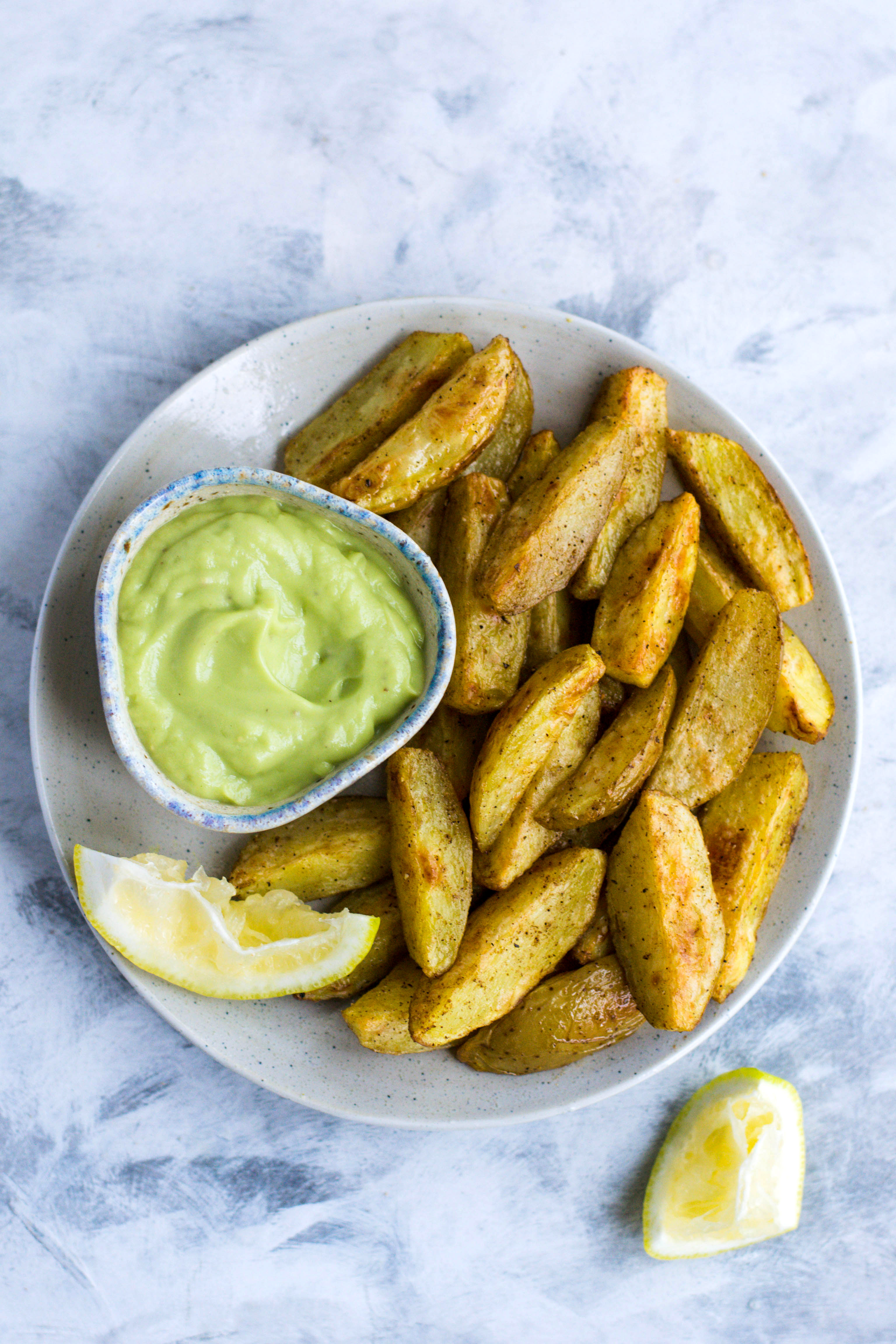
Creamy vegan avocado sauce (recipe from amatterofnourishment.com)

Ideas like this one will definitely come in handy for a quick lunch or on those days when there isn’t much left in your pantry: avocados are packed with nutrients and with their unique creaminess you don’t need much to create something delicious!

What’s your favorite way to eat avocado? Here there is some inspiration for you:⠀⠀

  • mashed avocado on toasted bread with lemon juice, black pepper and cayenne pepper or chilli flakes⠀
  • chopped avocado is a great addition to many salads
  • avocado toast with sourdough bread and an egg or some smoked salmon
  • green smoothies with avocado turn out incredibly creamy
  • when paired with chocolate, a ripe avocado is the perfect ingredient for pancakes

Most of the time, the recipes you see around are with raw avocado but sometimes you’ll encounter a few options in which this ingredient is cooked (like these pancakes). While cooking your avocado is not an ideal choice from a nutritional point of view (better eating it raw to preserve the nutrients) sometimes you just need to do something that may not be a PERFECT choice but is the one that brings more JOY!

AVOCADOS HAVE AN UNIQUE NUTRITIONAL PROFILE

Avocados are packed with healthy fats and fibre, but they also have a high content of vitamins and minerals (such as vitamin K, C, E, vitamins from the B group, folate, potassium, magnesium). In 100 g there are 160 calories, 2 g protein, 9 g carbohydrates (7 g fibre), and 15 g fat.

CREAMY AVOCADO SAUCE

Ingredients:

  • 1 ripe medium-sized avocado
  • juice of 1 lemon
  • 1 tbsp extra virgin olive oil
  • 1 tsp honey (optional)
  • 1 tsp black mustard seeds (crushed in mortar)
  • a pinch of ground cinnamon
  • a pinch of freshly grated nutmeg
  • a pinch of salt

Place all the ingredients in a blender or food processor: add a small amount of water as required to adjust the consistency of the sauce and blend until you get a smooth result.

This sauce pairs really well with roasted potatoes, grilled veggies, salads, or a slice of toasted bread.

If you liked this post, share it with your friends using the buttons below! Don’t forget to tag me @amatterofnourishment on Instagram if you try this recipe: I’d love to see your creations!

Hummus con anacardi e noci (senza tahini)

(read in English)

Walnut and cashew hummus (without tahini)

Ci sono tante varianti che puoi creare tutt’ora che impari a preparare in casa un ottimo hummus. Puoi semplicemente aggiungere un ingrediente in più e portare in tavola qualcosa di diverso ogni volta: ad esempio, puoi provare ad aggiungere le rape rosse, l’avocado, o alcune spezie. Quest’hummus alla frutta secca è una preparazione in cui le noci e gli anacardi vengono utilizzati al posto della pasta di semi di sesamo (tahini).

Parlo spesso dell’importanza di variare ciò che si sceglie ed includere ogni giorno diversi ingredienti dai vari gruppi alimentari. Non è soltanto una strategia semplice per aumentare la varietà di nutrienti nella propria alimentazione, ma è anche un ottimo modo per rendere i piatti meno noiosi o ripetitivi, per essere più creativi e per lasciarsi ispirare da tutti i diversi prodotti.

Sebbene creda che la tahini sia buonissima e piuttosto unica nel suo genere, mi piace condividere ricette come questa che presentano un modo diverso per preparare questo piatto, utili sia per qualcuno che ha necessità di omettere quest’ingrediente, sia per chi è alla ricerca di un sapore un po’ diverso dal solito.

In quest’hummus senza tahini, la frutta secca contribuisce principalmente al contenuto di grassi, proteine e minerali del piatto (e gusto, ovviamente!). Da un punto di vista nutrizionale la composizione degli anacardi e delle noci è diversa da quella dei semi di sesamo, dunque l’effetto che avranno sulla consistenza dell’hummus sarà differente: anche se il risultato sarà comunque ricco e cremoso, tende ad essere un pochino più asciutto se confrontato con un hummus classico, quindi potresti voler adattare la quantità di limone o olio d’oliva a seconda dei tuoi gusti.

Walnut and cashew hummus (without tahini)

HUMMUS CON ANACARDI E NOCI (SENZA TAHINI)

Ingredienti:

  • 300 g di ceci cotti (puoi decidere di utilizzare dei ceci sciacquati e scolati oppure puoi scegliere di non sciacquarli ed aggiungere anche 3-4 cucchiai di acqua di cottura per ottenere un hummus più cremoso)
  • 40 g noci
  • 30 g anacardi
  • il succo di 1 limone
  • 1 cucchiaino di semi di finocchio
  • un pizzico di sale (opzionale)
  • alcuni cucchiai di acqua fredda (o puoi usare l’acqua di cottura dei ceci)

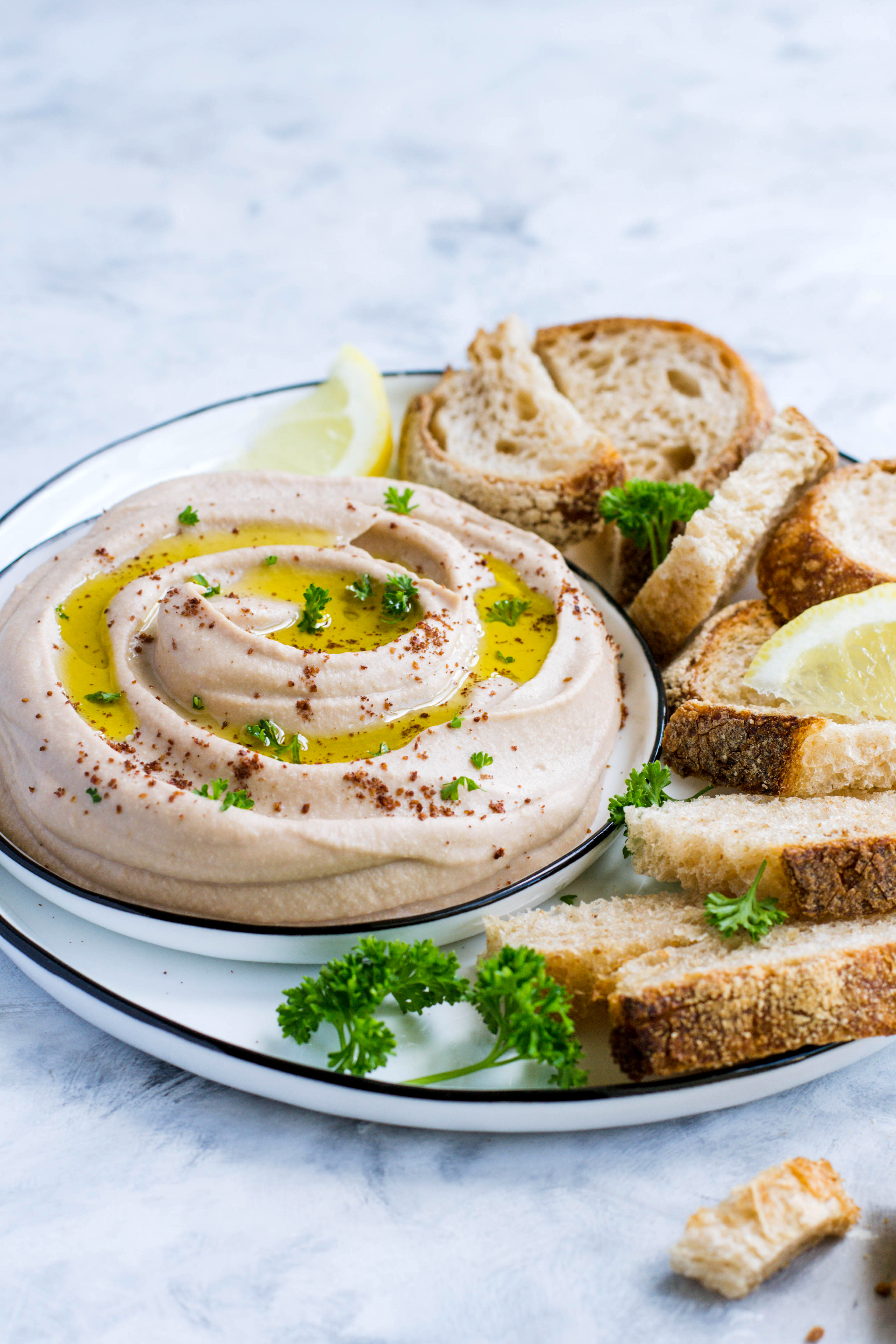
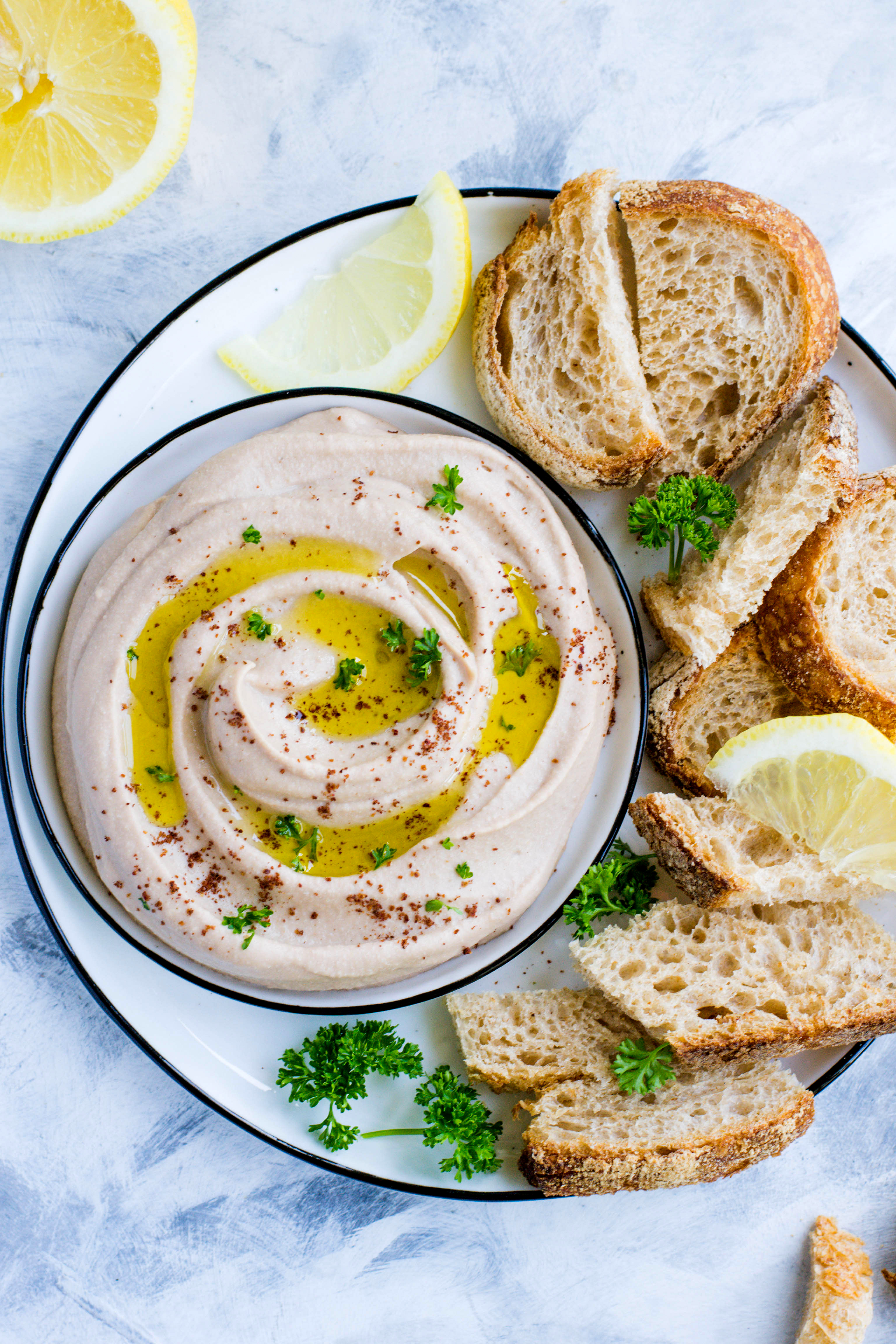
Segui le stesse linee guida per l’hummus classico per ottenere un risultato cremoso. Usa un frullatore o un robot da cucina per preparare l’hummus – aggiungi l’acqua in piccole quantità passo dopo passo, controllando la consistenza dell’hummus. Aggiungi la tahini come ultimo ingrediente, quando avrai già ottenuto un composto cremoso. Puoi adattare le spezie ed la quantità di succo di limone in base ai tuoi gusti e fare lo stesso per gli ingredienti extra da aggiungere sopra (qui ho utilizzato un filo d’olio extra vergine d’oliva, un pizzico di somacco e del prezzemolo fresco).

Se questo post ti è piaciuto, condividilo con i tuoi amici usando i link qui sotto. Non dimenticare di taggarmi @amatterofnourishment su Instagram se provi questa ricetta: mi piacerebbe molto vedere le tue creazioni!

Walnut and cashew hummus (without tahini)

(read in Italian)

Walnut and cashew hummus (without tahini)

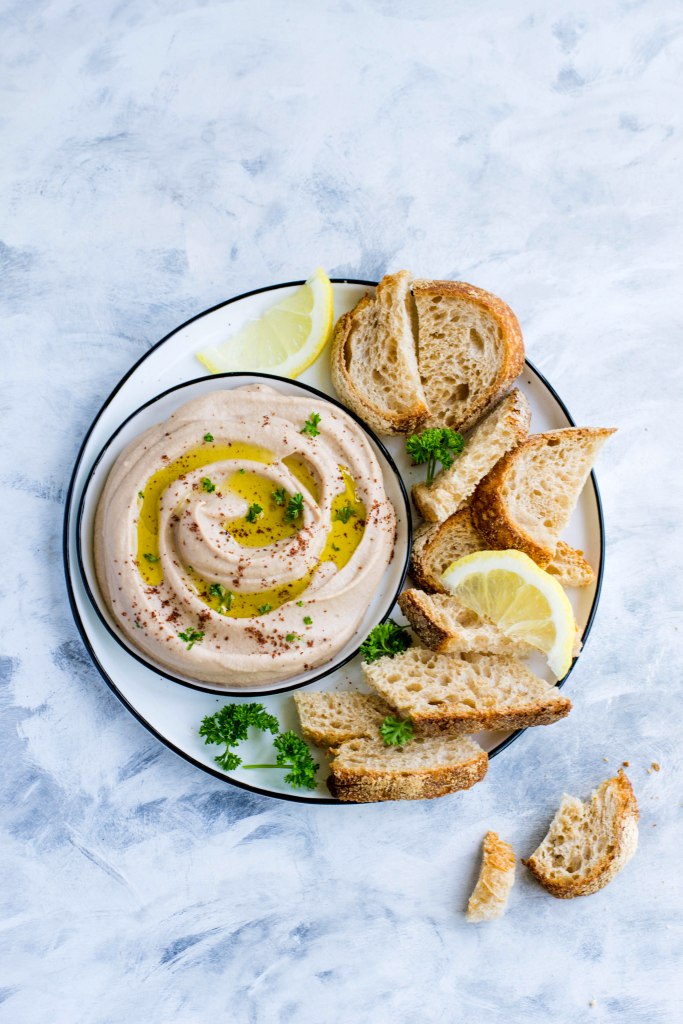
There are so many variations you can create once you master the art of making a creamy and delicious hummus. You can simply add one extra ingredient and bring on your table something completely different every time: try, for example, to add beetroots, avocado, or a bunch of spices. This is a recipe in which walnuts and cashews replace tahini.

I always talk about the importance of choosing a variety of foods from each food group daily and be curious about new ingredients or food combinations. It’s not just a simple strategy to ensure you are getting a wide array of nutrients, but it’s also a great way to make our meals less boring, to get more creative, and to be inspired by all the different products.

While I believe tahini is something delicious and pretty unique, I love sharing recipes like this one that presents an alternative preparation for who needs it or for someone who is looking for a twist on the classic hummus.

In this tahini-free hummus, the nuts add mainly fats, protein, and minerals to the dip (and taste, obviously!). From a nutritional point of view the composition of cashews and walnuts is different from the one of sesame seeds, and the effect on the texture of hummus will obviously be different: while the result is still rich and creamy, it tends to be a bit drier and less smooth compared to a classic hummus, so you may want to adjust the amount of lemon juice or olive oil according to your preferences.

Walnut and cashew hummus (without tahini)

WALNUT AND CASHEW HUMMUS (WITHOUT TAHINI)

Ingredients:

  • 300 g cooked chickpeas (you can decide to use the chickpeas rinsed and drained or you can opt for not rising them and also keep 3-4 tbsp of cooking water to get a creamier hummus)
  • 40 g walnuts
  • 30 g cashews
  • juice of 1 lemon
  • 1 tsp fennel seeds
  • a pinch of salt (optional)
  • a few tbsp of cold water (or you can use the cold cooking water from chickpeas)

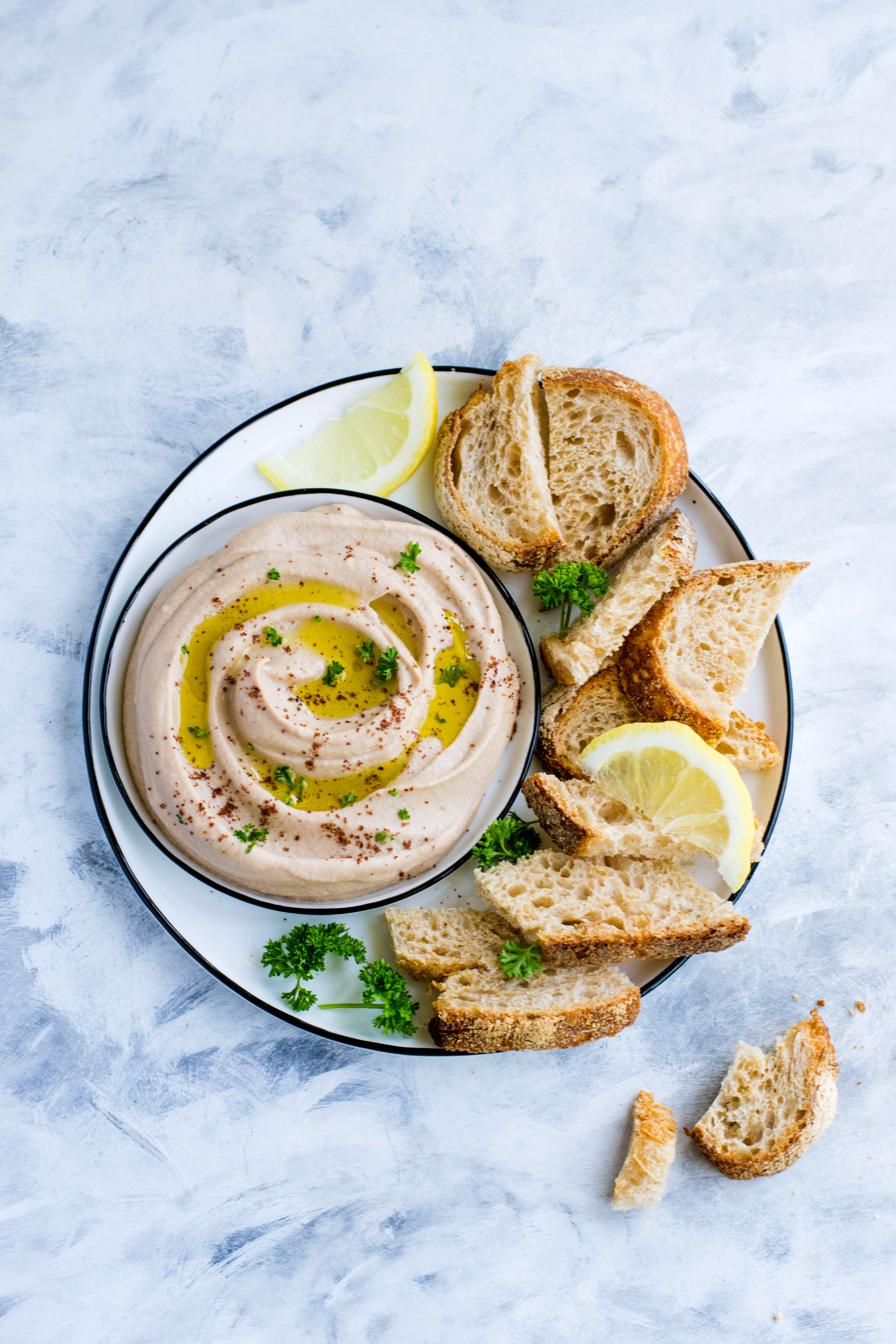
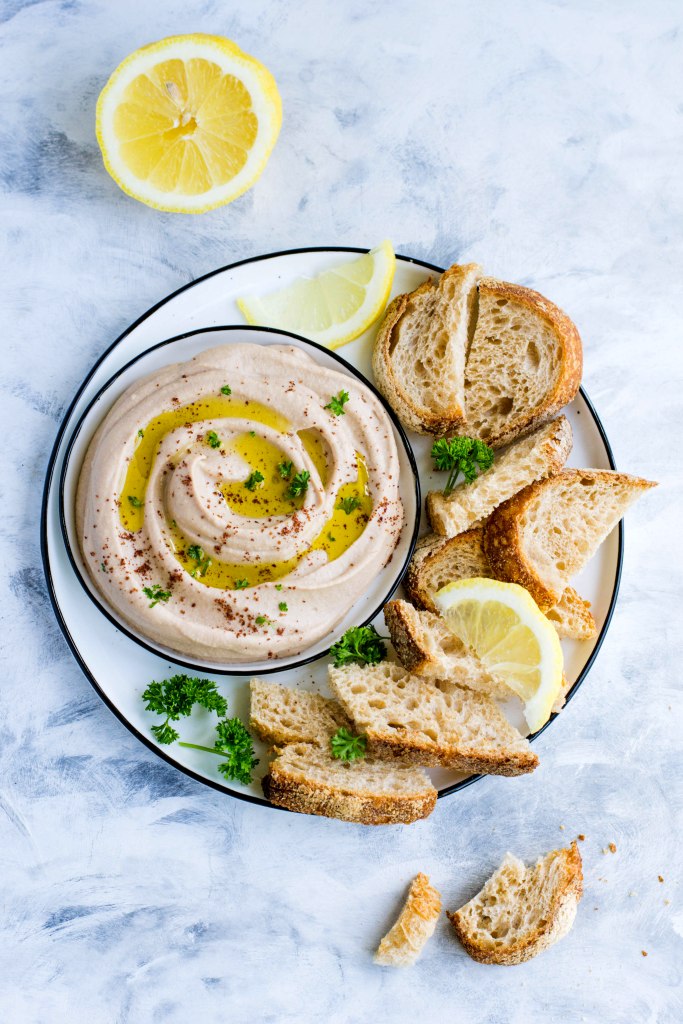
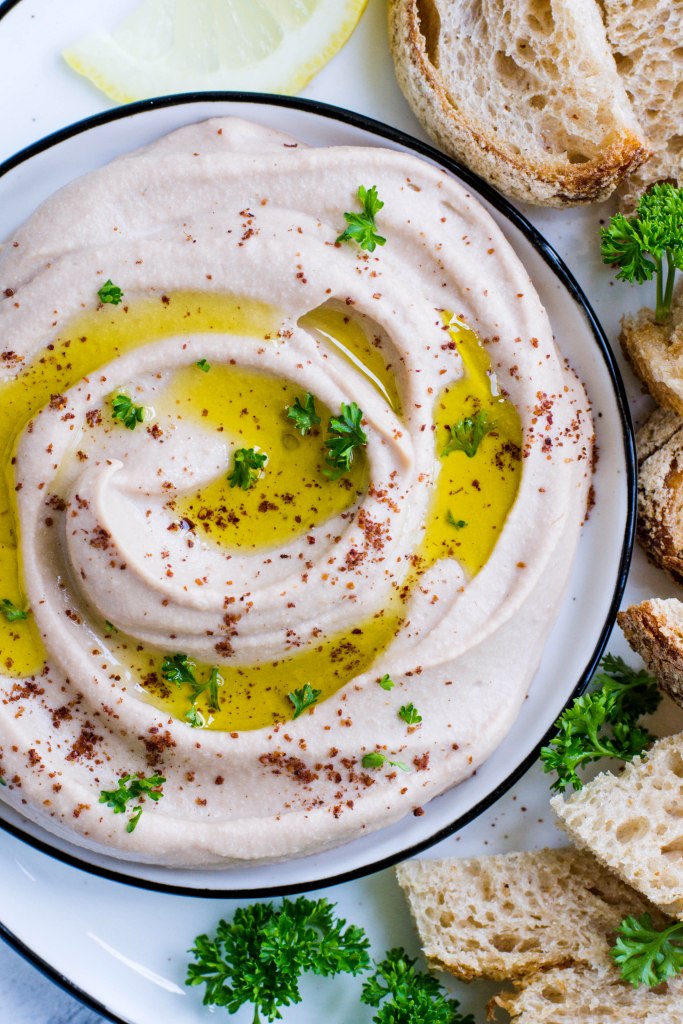
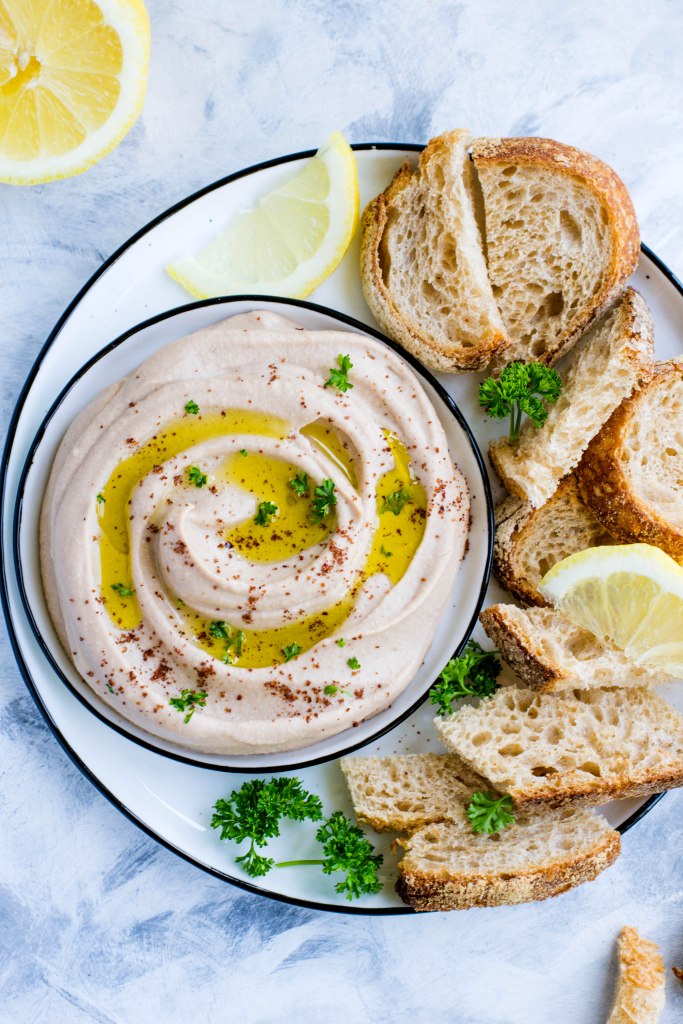
Follow the same guidelines you would use for a basic recipe to get a creamy result. Use a blender or a food processor to make your hummus – add the water in small portions step by step based on how your hummus looks like. Add your mix of nuts as the last ingredient when you already have your creamy mixture. Adjust the spices and lemon juice to your preferences and do the same for the toppings (here I’ve used a drizzle of extra virgin olive oil, a pinch of sumac, and some fresh parsley).

If you liked this post, share it with your friends using the buttons below! Don’t forget to tag me @amatterofnourishment on Instagram if you try this recipe: I’d love to see your creations!

Burger vegani con lenticchie e rape rosse

(read in English)

Se ci sono due ingredienti che sono buonissimi messi insieme, sono le rape rosse (o barbabietole) ed il burro di frutta secca o semi oleosi: la ricetta per questi burger vegani alla rapa necessita proprio di quest’accoppiata vincente.

Lentil and beetroot veggie burgers (recipe and photos from amatterofnourishment.com)

Con un buon equilibrio tra i vari ingredienti, questi burger vegetali sono ottimi mangiati così come sono, magari accompagnati da un’insalata, ma danno davvero il loro meglio all’interno di un morbido panino di pan brioche appena fatto… ancora meglio se c’è anche un po’ di salsa speziata!

Ci sono alcuni suggerimenti che ti aiuteranno nel preparare questi burger vegani:

  • rape grattugiate vs crema di rapa frullata: ho usato entrambe e sono una grande fan delle rape grattugiate – quest’opzione ti consentirà di preparare dei burger con una consistenza finale migliore, meno asciutti, e con i diversi sapori ben amalmagati (però frullare le rape con gli altri ingredienti è un modo più rapido per prepararli).
  • rape crude vs cotte: ovviamente, c’è una differenza nel risultato finale in termini di gusto e consistenza, ma è meno marcata rispetto a quella descritta in precendenza. Un burger fatto con le rape cotte tende ad essere un po’ più asciutto (specialmente se sono state cotte al forno), mentre le rape crude possono essere più difficili da utilizzare a causa del loro contenuto di acqua. Il dilemma crudo vs cotto è proprio lo stesso che avresti per preparare l’hummus alla rapa rossa!
  • cottura in padella vs forno: assicurati di mettere un pochino d’olio d’oliva sia sopra che sotto i burger se decidi di cuocerli in forno; inoltre, cerca di non cuocerli troppo, altrimenti diventeranno troppo asciutti. Sono ottimi anche cotti in padella con un filo d’olio d’oliva.
  • il tipo di lenticchie: tra gli ingredienti di questa ricetta trovi le lenticchie marroni, ma potenzialmente potresti usare qualsiasi tipo di lenticchie – ti consiglio di cuocere un po’ di più quelle piccole (come quelle che uso in quest’insalata con i mirtilli) e di prestare attenzione al contenuto di acqua se usi le lenticchie rosse decorticate (assicurati che siano asciutte prima di aggiungerle al resto degli ingredienti; non c’è bisogno di frullarle perchè tendono a formare naturalmente un mix cremoso, ma dovrai adattare la quantità di avena).

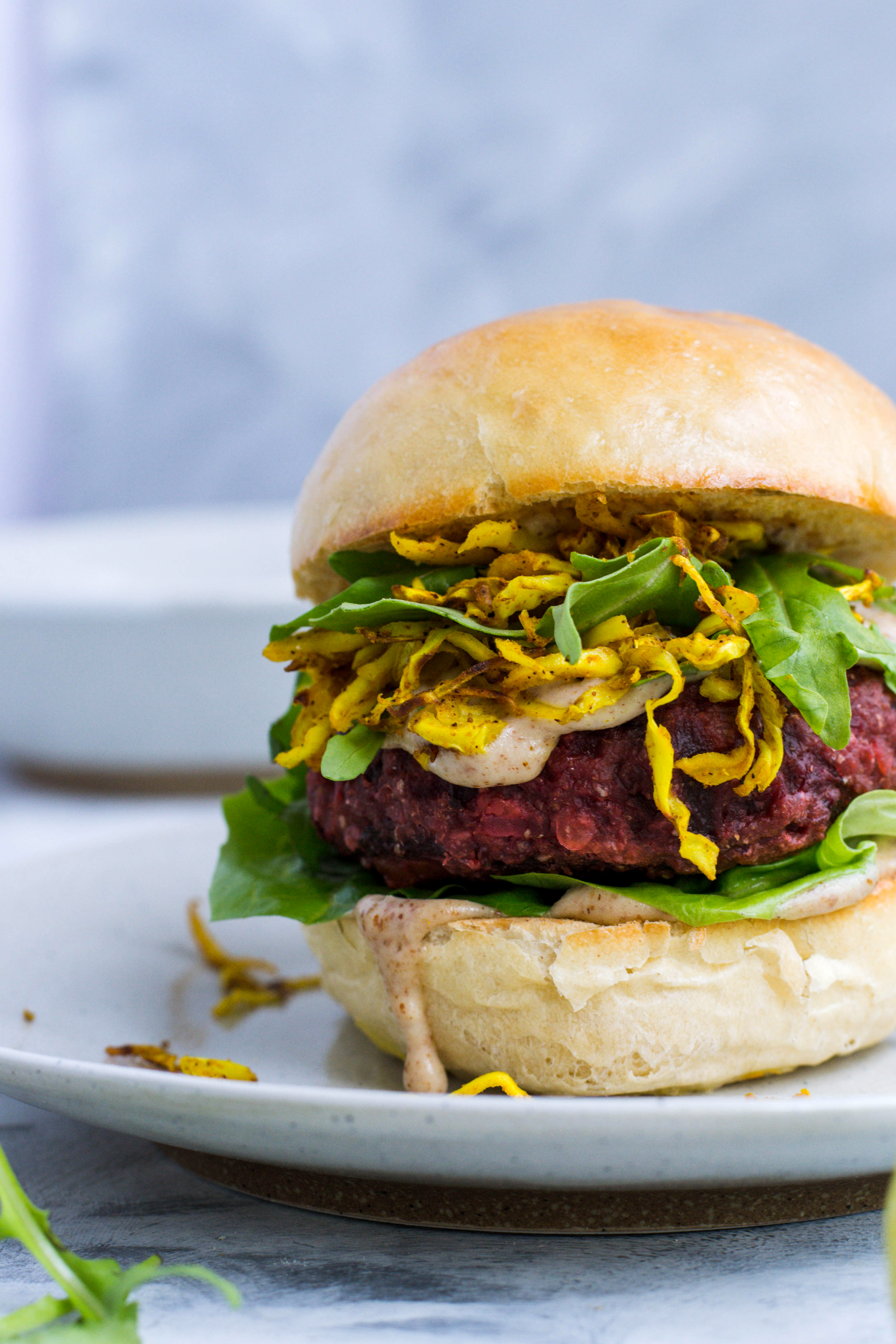
Servi i burger così come sono con un’insalata o all’interno di un panino: si sposano bene con un po’ di hummus, una salsa speziata o con una salsa all’avocado. In questo caso, li ho serviti con insalata, una salsa a base di burro di mandorle, cavolo in foglia speziato e rucola.

Lentil and beetroot veggie burgers (recipe and photos from amatterofnourishment.com)

BURGER VEGANI CON LENTICCCHIE E RAPE ROSSE

Ingredienti (6-7 burger)

  • 300 g di rape rosse crude grattugiate
  • 250 g di lenticchie marroni o 200 g di lenticchie rosse decorticate (precedentemente cotte – senza acqua di cottura avanzata)
  • circa 40 g di avena in fiocchi (usa dell’avena certificata senza glutine se necessario)
  • 2-3 cucchiai di farina integrale (adatta la quantità di farina basandoti sul contenuto d’acqua dei tuoi ingredienti – puoi usare qualsiasi tipo di farina)
  • 1 cucchiaino di garam masala
  • 1 cucchiaino di zenzero in polvere
  • 2 cucchiai di burro di mandorle (meglio se è un burro con pezzi)
  • 1 cucchiaio di olio extra vergine d’oliva
  • un pizzico di pepe di cayenna
  • un pizzico di sale

Metti l’avena, l’olio, e le lenticchie in un frullatore per spezzettarle: puoi decidere se preparare un mix più omogeneo o se lasciare qualche pezzo intero o di dimensione maggiore. Mischia quanto ottenuto dal frullatore con le rape grattugiate e tutti gli altri ingredienti.

Prepara i burger utilizzando un pochino d’olio sulle mani e cuocili in padella con un filo d’olio d’oliva o in forno pre-riscaldato a 180°C per circa 10-15 minuti o finchè non saranno un po’ più scuri e si saranno rassodati esternamente. Cerca di non cuocere troppo questi burger perchè tendono a diventare facilmente troppo asciutti.

Se questo post ti è piaciuto, condividilo con i tuoi amici usando i link qui sotto. Non dimenticare di taggarmi @amatterofnourishment su Instagram se provi questa ricetta: mi piacerebbe molto vedere le tue creazioni!

Lentil and beetroot veggie burgers

(read in Italian)

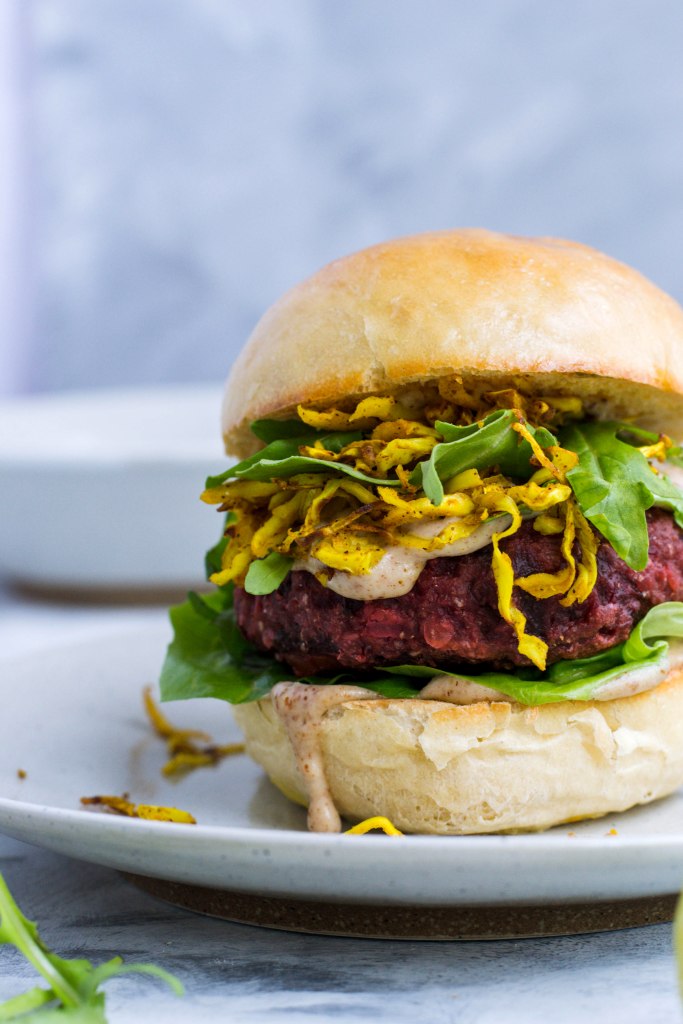
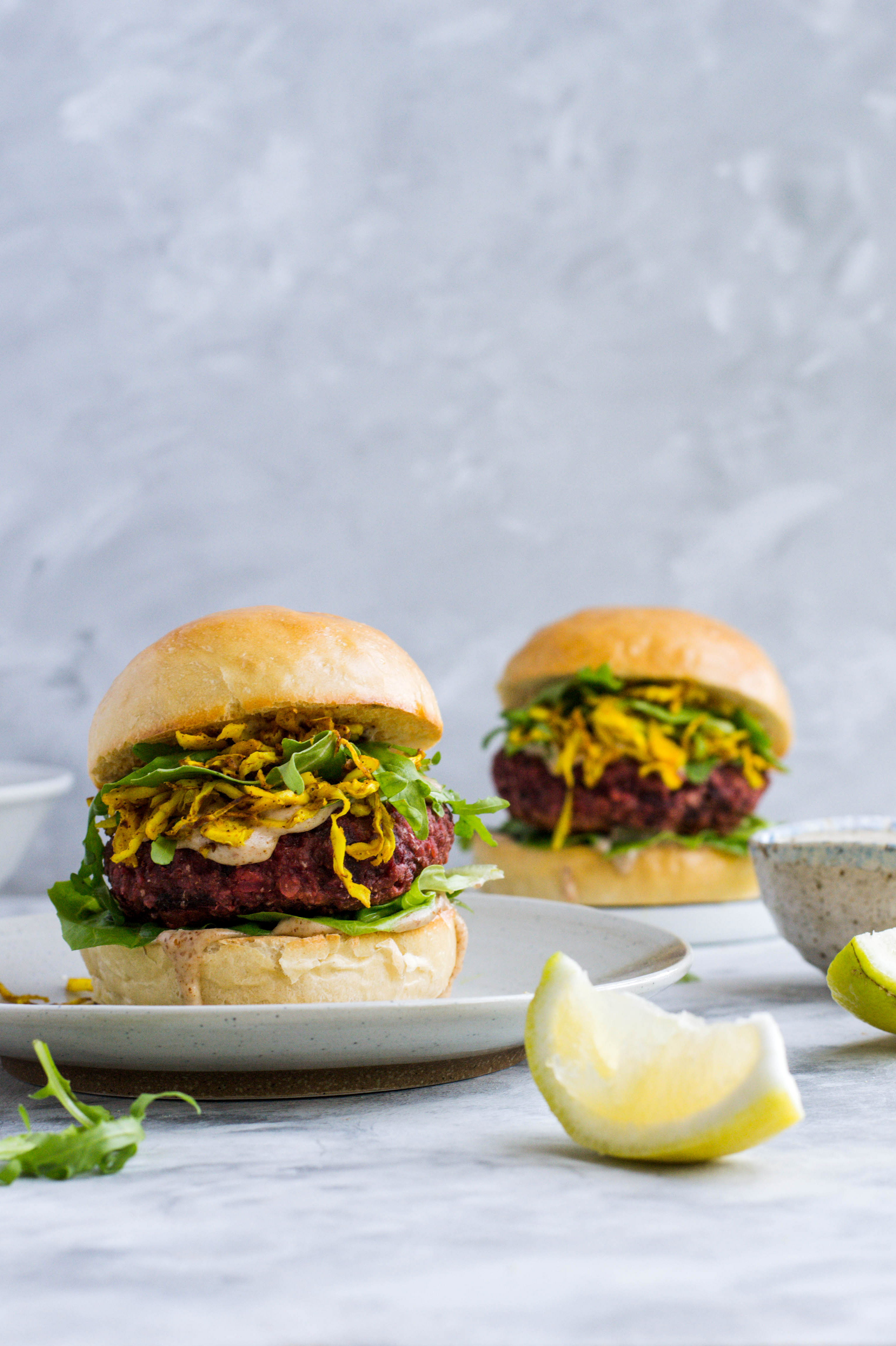
If there are two ingredients that I really love paired together, are beetroots and nut or seed butter: the recipe for these simple plant-based beetroot burgers calls exactly for this delicious combination.

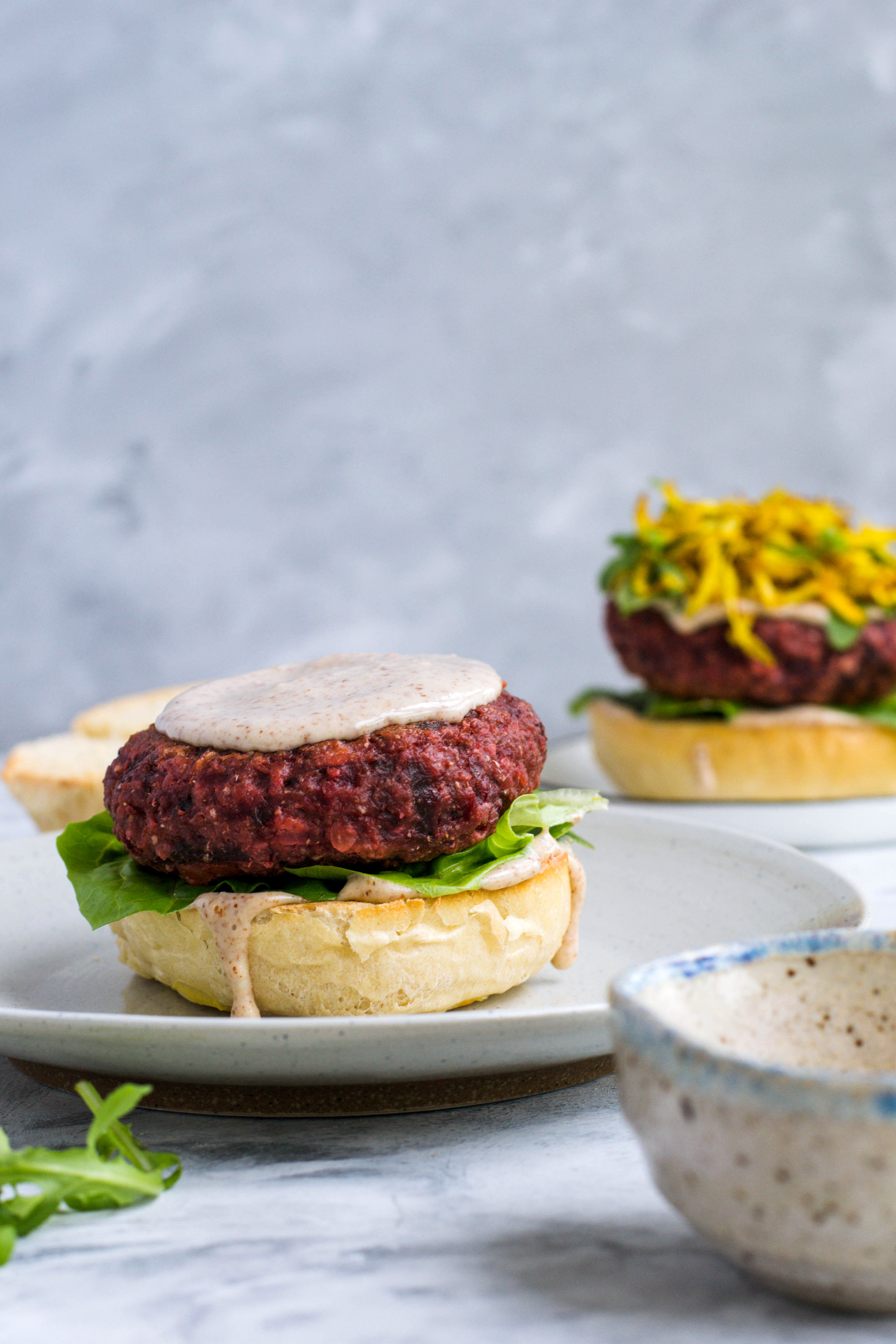
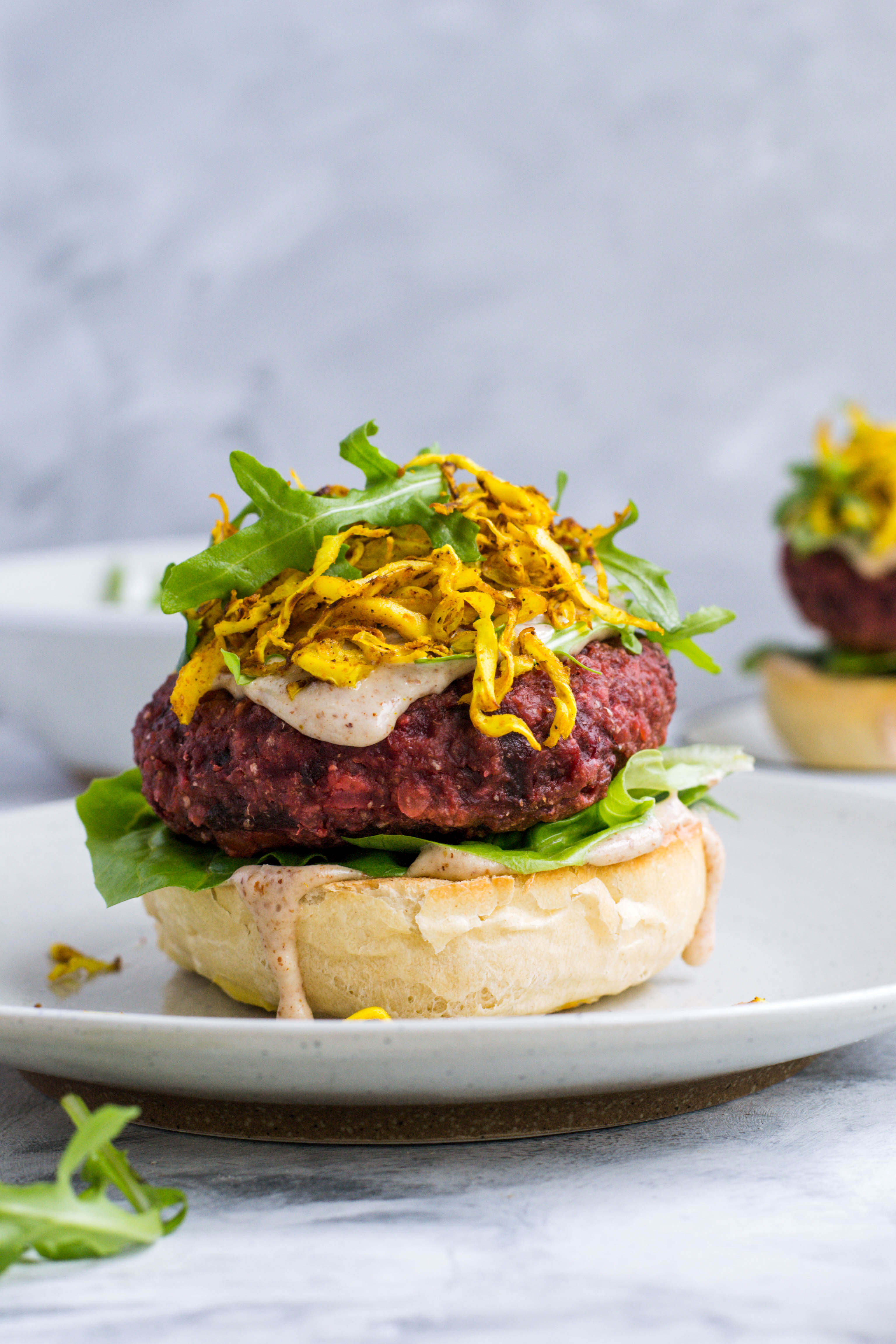
Lentil and beetroot veggie burgers (recipe and photos from amatterofnourishment.com)

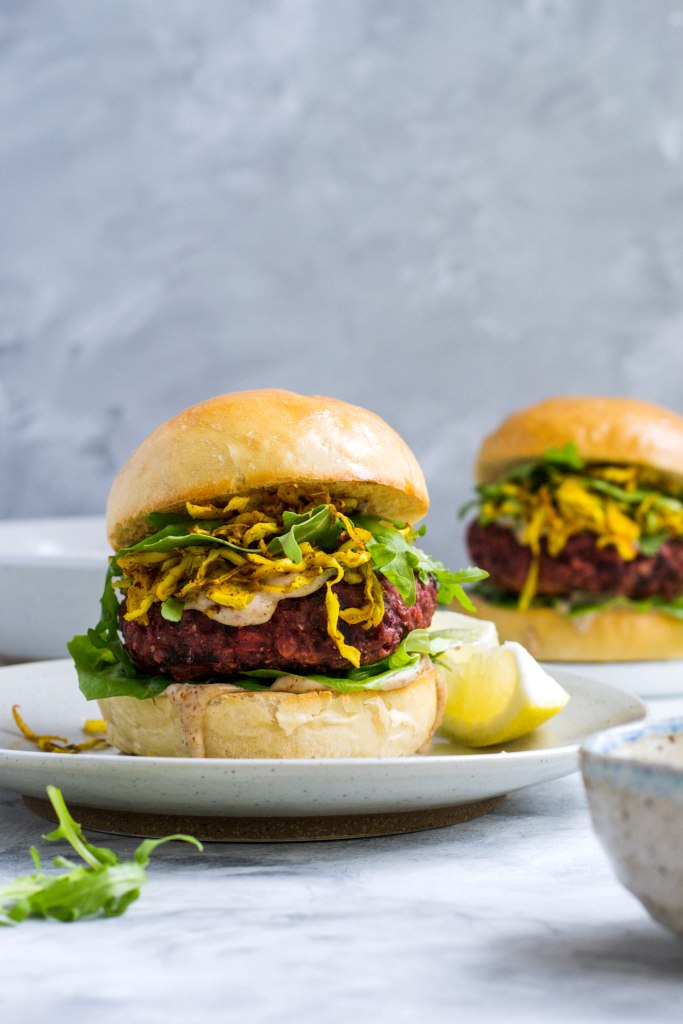
With a great balance of ingredients, these veggie burgers are tasty eaten on their own along with a salad, but they will give their best when placed in a homemade fluffy brioche-style bun… even better if there’s a bit of spicy sauce, too!

There are just a few simple guidelines that will help you to make these hearty vegan burgers:

  • grated beetroots vs blended beetroot paste: I’ve used both and I’m a huge fan of grated beets – this option will give your burgers with the best texture, less dry or mushy, and richer in flavour (but yes, blending the beetroots with the other ingredients it’s definitely a quicker choice).
  • cooked vs raw beets: obviously, there’s a difference in the final texture and taste, but it’s less marked compared to the previous point. Cooked beetroots tend to give you burgers that are a bit more dry (especially if they are roasted), while raw beets may be a bit more tricky to use due to the water content. The cooked vs raw dilemma is the same you would have for making beetroot hummus!
  • pan vs oven: be sure to add a bit of olive oil on the top and bottom of your burgers if you cook them in the oven and don’t overcook them, otherwise they will be too dry. Pan-seared with olive oil are delicious, too!
  • the kind of lentils: this recipe calls for the brown ones but you could potentially use any kind of lentils – I recommend you to overcook a bit the smaller ones (like the ones I use in this salad with blueberries) and to be careful with the water content if you use red split lentils (be sure that they are dry before adding them to the mix; no need to blend them since they will naturally tend to form a kind of creamy paste, but you’ll need to adjust the amount of oats).

HOW TO SERVE THEM?

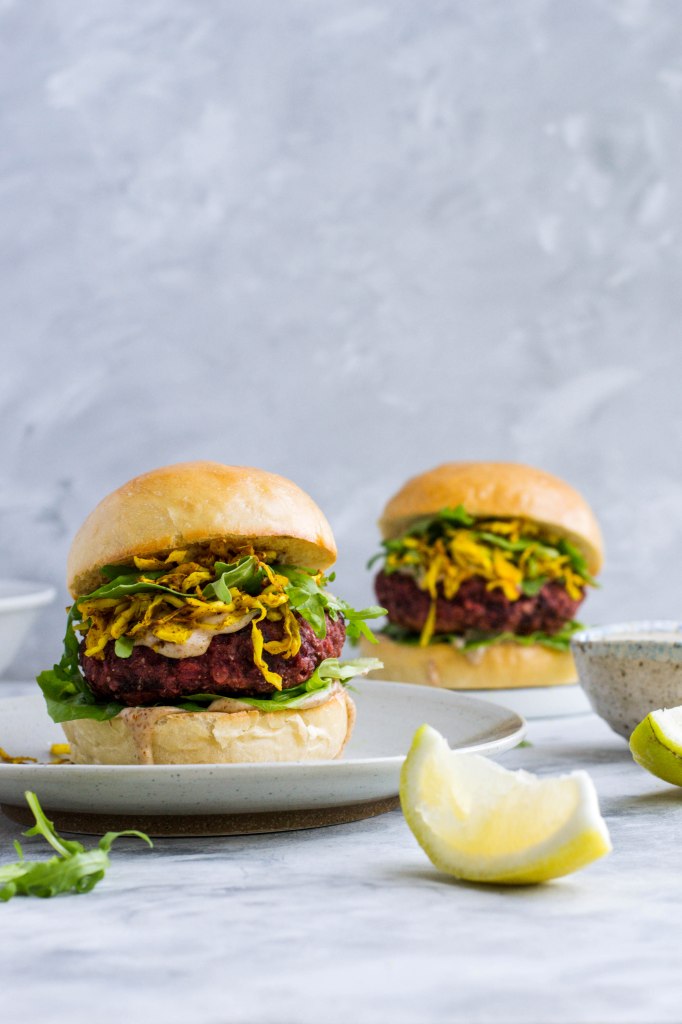
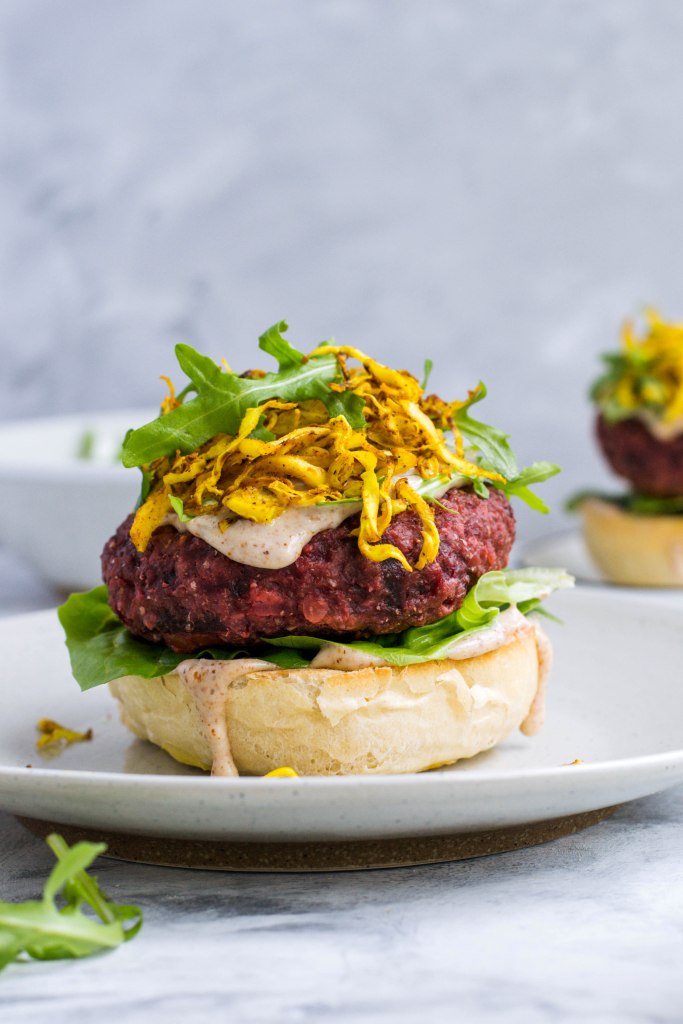
Serve the burgers with a salad or in a bun: they pair really well with some hummus, a spicy sauce, or a creamy avocado sauce. Here I’ve paired them with green salad leaves, a sauce made with almond butter, a bit of rocket, and some spiced white cabbage.

Lentil and beetroot veggie burgers (recipe and photos from amatterofnourishment.com)

LENTIL AND BEETROOT VEGGIE BURGERS

Ingredients (makes 6-7 burgers)

  • 300 g raw grated beetroots
  • 250 g brown lentils or 200 g red split lentils (previously cooked – no water left)
  • approx. 40 g rolled oats (use certified gluten-free oats if necessary)
  • 2-3 tbsp whole grain flour (adjust the amount of flour based on the water content of your ingredients – you can use any kind of flour)
  • 1 tsp garam masala
  • 1 tsp ground ginger
  • 2 tbsp almond butter (even better if it’s a crunchy nut butter)
  • 1 tbsp extra virgin olive oil
  • a pinch of cayenne pepper
  • a pinch of salt

Place the lentils, oats, and oil in a blender and break them down into smaller pieces: you can decide if you prefer a more homogeneous result or if you like to keep some bigger pieces in there. In a bowl, combine together this mix, the grated beetroots, and all the other ingredients.

Using a bit of oil on your hands, prepare the burgers and cook them in a pan with a drizzle of olive oil or in a pre-heated oven at 180°C for approx. 10-5 minutes or until they start to turn darker and they will be firm on the outside. Don’t overcook these burgers because they tend to become dry quite easily.

If you liked this post, share it with your friends using the buttons below. Don’t forget to tag me @amatterofnourishment on Instagram if you try this recipe: I’d love to see your creations!

Gnocchi di pane (bread gnocchi) with mint

(read in Italian)

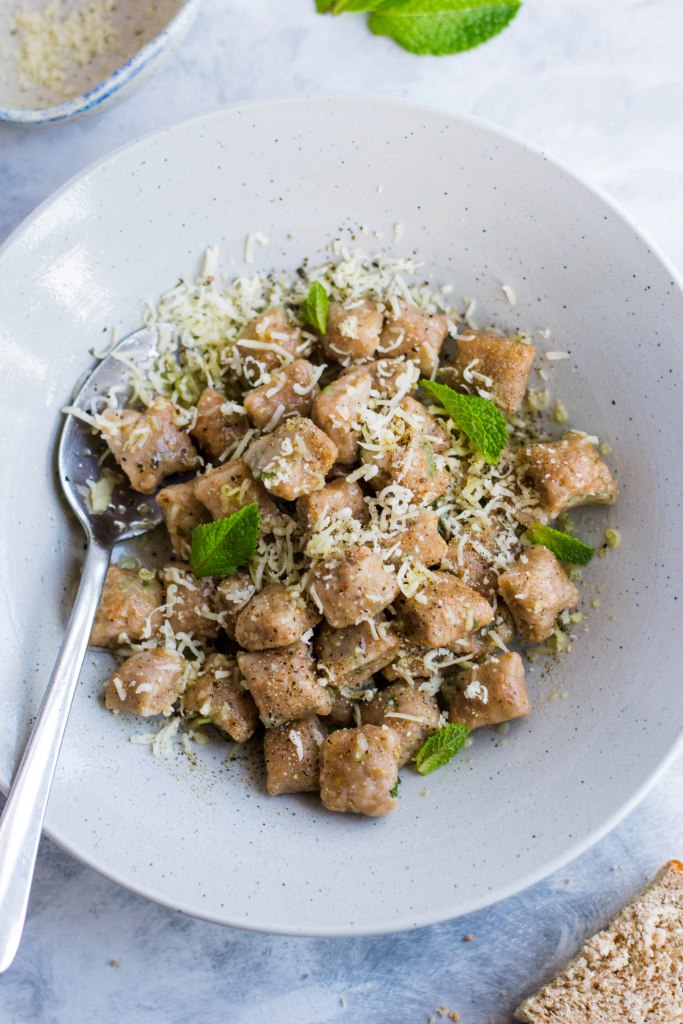
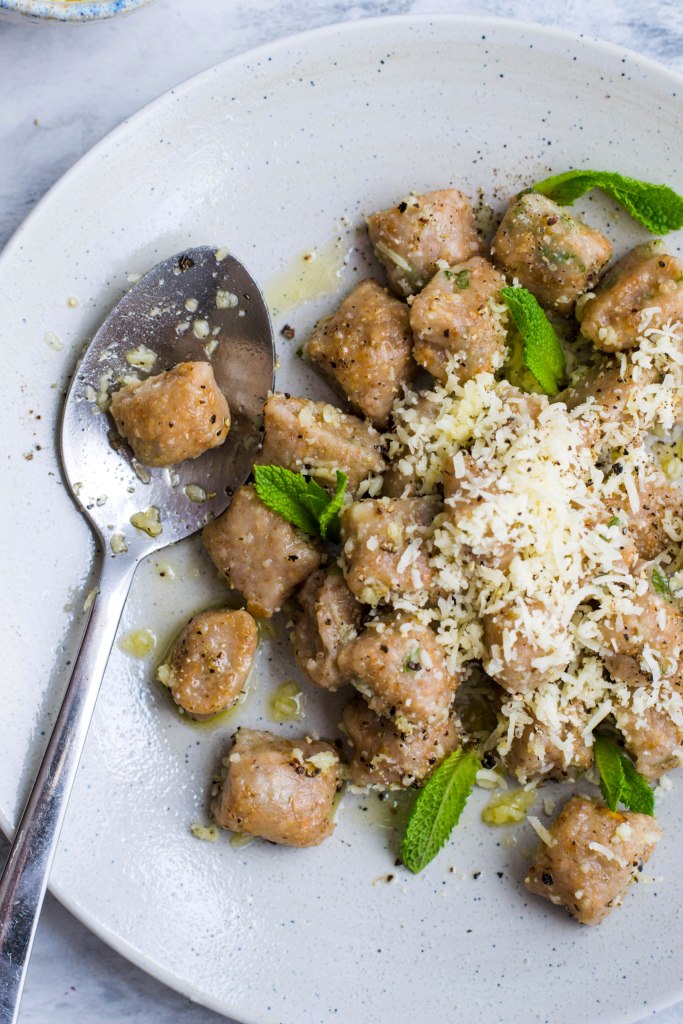
Gnocchi di pane (bread gnocchi) with mint

There are plenty of ways to use leftovers and find simple strategies to reduce food waste: it’s not really a matter of complexity or perfection, but it’s more about consistency. Stale bread can open up a wide array of possibilities and the chance to create many delicious meals. These gnocchi made with leftover bread and a few other ingredients are a great way to create something a bit more special for dinner and they are super easy to make!

This is an example of how you can turn stale bread into a completely different meal by hydrating it, creating a brand new texture and the starting point for your gnocchi. You could also use stale bread to add some crunchiness to a salad (exactly what I’ve done with this lentil salad with blueberries, feta, and bread croutons), to make a tasty French toast, or to create a flavorful Summer salad in which the bread absorbs all the juice from the ripe tomatoes.

The classic potato gnocchi are a timeless classic and I know I can never go wrong with them (if you have never tried to make them at home, you should definitely give them a go and here there’s an example). But sometimes changing is good!

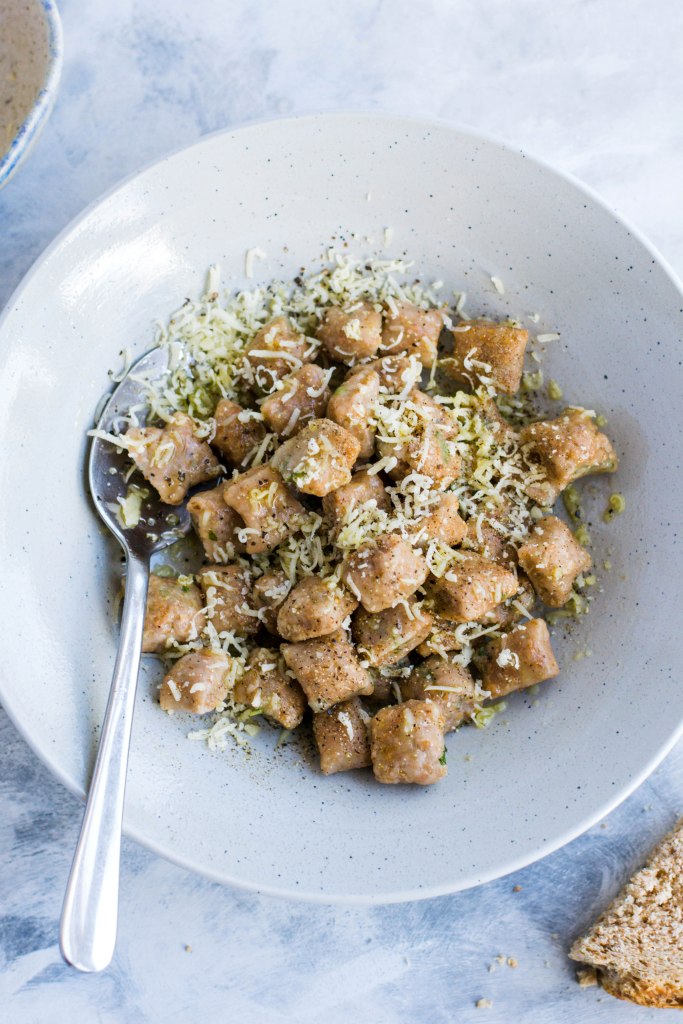
You can make these bread gnocchi with any kind of bread and the flavor of the final result will be related to this main ingredient: I prefer using a tomato-based sauce for gnocchi made with stale white bread, and a generous drizzle of extra virgin olive oil or a bit of butter or fresh cream for those made with brown bread. Here I’ve used a a few slices of whole grain walnut bread and it was already pretty rich in flavor so I’ve simply tossed my gnocchi with olive oil, black pepper, and aged cheese (this was cheddar but even a cheese made with sheep milk would be perfect).

Gnocchi di pane (bread gnocchi) alla menta
Gnocchi di pane (bread gnocchi) with mint

Gnocchi di pane (bread gnocchi) with mint

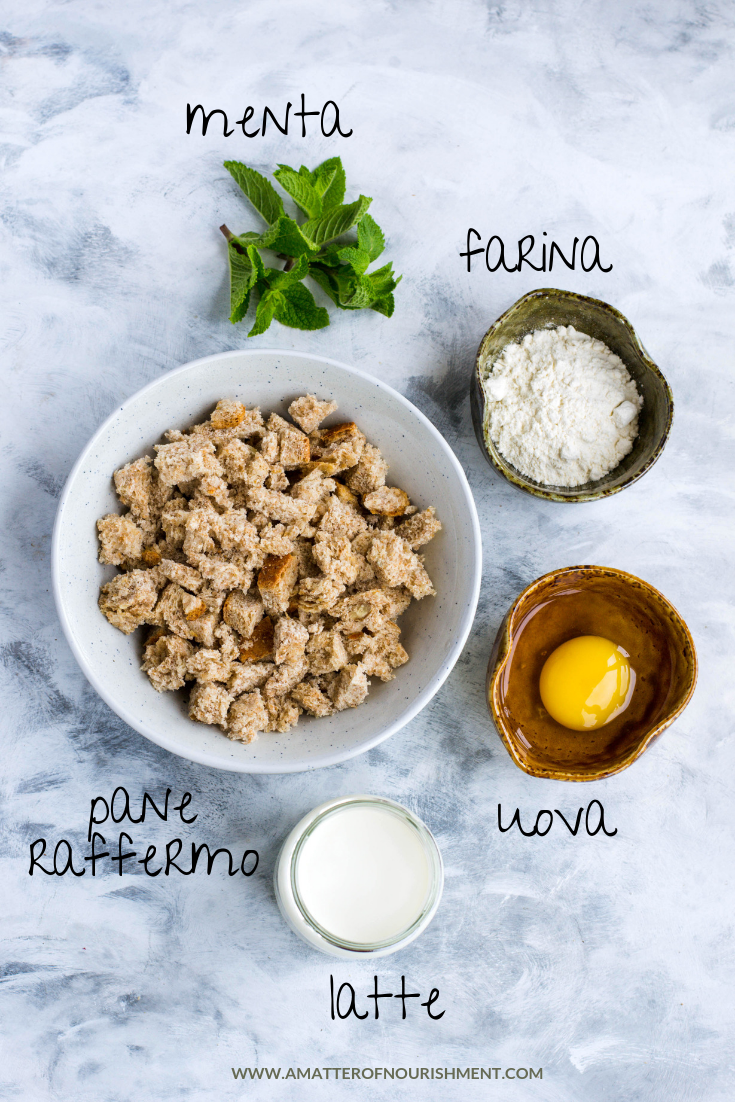
Ingredients (serves 4)

  • 200 g stale bread
  • 80-110 g flour (you can use any kind of flour – here since the starting point was brown bread, I’ve used a mix of white unbleached flour and whole grain flour to ease the preparation of gnocchi)
  • 1 egg
  • 130-150 ml milk
  • 1 large handful of fresh mint leaves
  • a pinch of black pepper
  • to serve: extra virgin olive oil, freshly grated aged cheese, black pepper

In a bowl, mix the the bread (chopped into small pieces) with the warm milk: leave it to rest for approx. 20 minutes, then use a fork to break the last few pieces of bread and create a sort of creamy mixture. It’s better adding more milk after this step if you notice that the bread is not properly soaked, rather than ending up with a watery mixture.

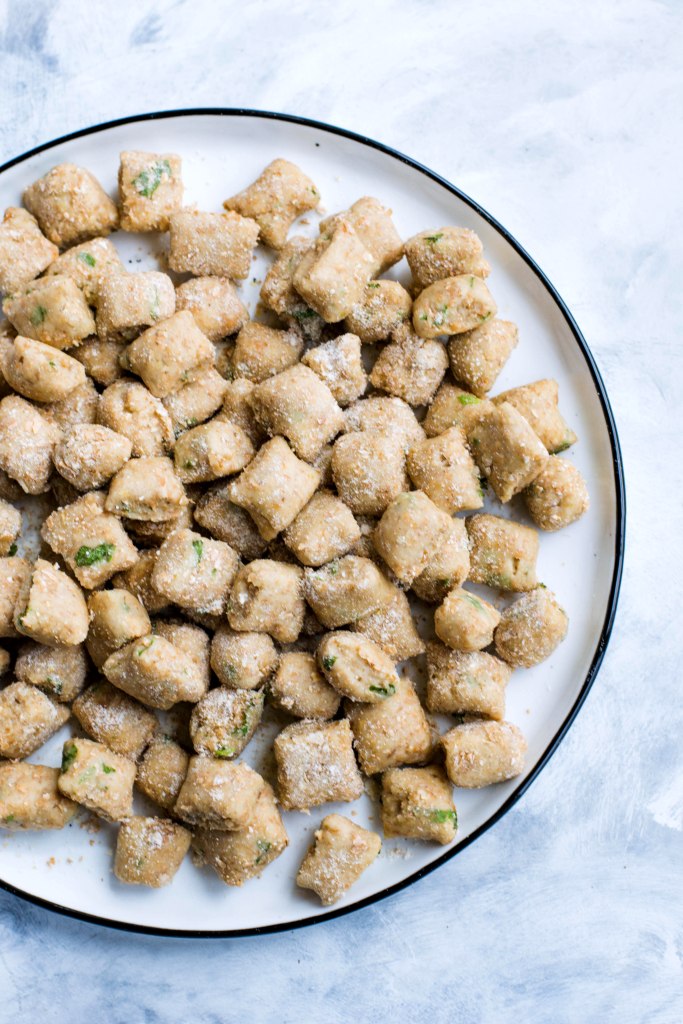
When the soaked bread will be ready, combine it with the flour, egg, black pepper, and mint (finely chopped). Use a spoon to mix all the ingredients first, then use your hands for checking the consistency toward the end of the preparation. Depending on which bread are you using, you may need to add a different amount of flour: the dough will be ready when it doesn’t stick to your hands and you can create a ball with your hands. Try not to over-knead the dough. Divide it into a few pieces, then roll each of them to make even ropes. Use a non-serrated knife or a pastry cutter to cut the ropes and create your gnocchi (they will measure approx. 1.5-2 cm). Toss the gnocchi with some flour to ensure they won’t stick to each other while you wait to cook them.

Cook the gnocchi in a large pot with boiling water, waiting until they float to the top (I usually wait other 30 seconds or 1 minute, depending on the size of my gnocchi). Gently remove the gnocchi from water and drain them well. Place in each serving bowl and toss them with olive oil, grated cheese, and black pepper.

If you liked this post, share it with your friends using the buttons below. Don’t forget to tag me @amatterofnourishment on Instagram if you try this recipe: I’d love to see your creations!

Gnocchi di pane alla menta

(read in English)

Gnocchi di pane (bread gnocchi) with mint

Ci sono tanti modi per utilizzare ciò che avanza in cucina e per scoprire semplici strategie per ridurre gli sprechi di cibo: non è una questione di complessità o perfezione, ma è un qualcosa legato all Il pane raffermo può essere il punto di partenza per tantissime preparazioni. Questi gnocchi preparati con pane avanzato e pochi altri ingredienti sono un ottimo modo per portare in tavola qualcosa di diverso dal solito e sono facilissimi da fare!

Questo è solo uno dei tanti esempi di ricette con il pane raffermo: idratandolo e creando una nuova consistenza, puoi trasformarlo in un piatto completamente diverso. Puoi utilizzare il pane avanzato anche per aggiungere un po’ di croccantezza in un’insalata (come ho fatto in quest’insalata con lenticchie, mirtilli, feta e crostini di pane), per preparare un buonissimo French toast, o per creare un’insalata Estiva ricca di gusto in cui il pane assorbe tutto il succo dei pomodori maturi.

I gnocchi di patate sono un classico intramontabile e con questo piatto sò di non sbagliare mai (se non hai ancora provato a prepararli in casa, ti consiglio di farlo e qui trovi un esempio). Ma è bello anche portare un po’ di varietà in tavola!

Puoi preparare questi gnocchi con qualsiasi tipo di pane ed il sapore finale sarà legato anche a quest’ingrediente principale: preferisco usare un sugo a base di pomodoro per i gnocchi fatti con pane raffermo bianco e olio d’oliva o burro o panna per quelli fatti con pane integrale. Qui ho utilizzato delle fette di pane integrale alle noci che aveva un suo sapore caratteristico abbastanza persistente, quindi ho condito i gnocchi soltanto con olio extra vergine d’oliva, pepe nero e formaggio stagionato (questo era cheddar, ma anche qualcosa tipo pecorino sarebbe perfetto).

Gnocchi di pane (bread gnocchi) with mint

Gnocchi di pane alla menta

Ingredienti (per 4 persone)

  • 200 g di pane raffermo
  • 80-110 g di farina (puoi usare qualsiasi tipo di farina – in questo caso, visto che il pane era integrale, ho usato un mix di farina bianca ed integrale per agevolare la preparazione dei gnocchi)
  • 1 uovo
  • 130-150 ml di latte
  • 1 manciata abbondante di foglie di menta fresca
  • un pizzico di pepe nero
  • per servire: olio extra vergine d’oliva, formaggio stagionato grattugiato, pepe nero

In una ciotola mischia il pane (tagliato a pezzetti) ed il latte tiepido: lascia riposare per circa 20 minuti, poi usa una forchetta per finire di spezzettare il pane e creare una specie di mix cremoso. E’ sempre meglio dover aggiungere un po’ di latte in più dopo questo passaggio, in caso dovessi notare che il pane non è del tutto pronto, piuttosto che ottenere un risultato troppo liquido.

Quando il pane ammorbidito nel latte sarà pronto, mischialo con la farina, l’uovo, il pepe e la menta (tagliata finemente). Utilizza un cucchiaio all’inizio, per poi passare a lavorare l’impasto con le mani alla fine e poter controllare meglio la consistenza. In base al pane che usi, potresti dover aggiungere più o meno farina: l’impasto è pronto quando non si attacca più alle mani e quando riesci facilmente a formare una pallina. Cerca di non lavorarlo troppo. Dividi l’impasto in alcuni pezzi, poi forma dei salsicciotti uniformi e taglia gli gnocchi con un tagliapasta o un coltello senza seghetto (taglia dei pezzetti di circa 1.5-2 cm). Usa un pochino di farina per assicurarti che gli gnocchi non si attacchino l’uno all’altro.

Cuocili in acqua bollente ed aspetta che vengano a galla (di solito successivamente aspetto altri 30 secondi o 1 minuti, in base alla grandezza degli gnocchi). Scola bene gli gnocchi maneggiandoli delicatamente. Mettili nei piatti e servi con formaggio grattugiato, olio d’oliva e pepe.

Se questo post ti è piaciuto, condividilo con i tuoi amici usando i link qui sotto. Non dimenticare di taggarmi @amatterofnourishment su Instagram se provi questa ricetta: mi piacerebbe molto vedere le tue creazioni!

Insalata di lenticchie con mirtilli, feta e crostini di pane

(read in English)

Lentil salad with blueberries, feta, and homemade bread croutons

Cucinare è uno dei miei modi preferiti per rilassarmi e gestire lo stress e funziona al meglio specialmente quando decido di farlo partendo dagli ingredienti di base o scelgo di preparare ad esempio il pane o la focaccia, quelle cose che necessitano di pazienza, tanti passaggi, e tempi lunghi. Quando metti insieme quest’abitudine con la parte del mio lavoro che prevede di sviluppare nuove ricette per il blog o per i miei clienti, puoi immaginare quanto sia facile finire con l’avere un po’ di pane avanzato. Quale modo migliore di utilizzarlo se non creare un’insalata vegetariana con lenticchie, feta, menta e mirtilli?

Cerco sempre di fare del mio meglio per ridurre gli sprechi ed essere creativa con il cibo avanzato, ma anche per fare ogni giorno scelte che sia sempre rivolte verso una cucina in stile “zero waste” (non perfetta, ma pratica e realistica), quindi spesso mi ritrovo ad improvvisare ricette con il pane raffermo. Adoro utilizzarlo per prepare una colazione diversa dal solito con un bel French toast caldo come protagonista (trovi QUI i miei consigli e la mia ricetta) o per delle insalate diverse dal solito: questo è proprio ciò che è successo nel caso di questa ricetta.

Il pane che ho usato per quest’insalata con le lenticchie era una specie di pan brioche fatto con lo yogurt e delle spezie, quindi era più ricco di altre opzioni, ma puoi usare qualsiasi tipo di pane per questa ricetta, semplicemente cerca di adattare un po’ la quantità di spezie prima di servire.

Insalata di lenticchie con mirtilli, feta e crostini di pane
Lentil salad with blueberries, feta, and homemade bread croutons

Insalata di lenticchie con mirtilli, feta e crostini di pane

Ingredienti (per 2 persone):

  • 180 g di lenticchie marroni piccole (precedentemente cotte – puoi usare anche le lenticchie Puy o simili)
  • 2-3 fette di pane (usa del pane senza glutine se necessario)
  • circa 100 g di mirtilli freschi
  • circa 40 g di feta
  • 2-3 cucchiai di foglie di menta fresca
  • un paio di fette di limone
  • circa 2 cucchiai di olio extra vergine d’oliva
  • 1/2 cucchiaino di coriandolo in polvere
  • 1/2 cucchiaino di cumino in polvere
  • un pizzico di pepe nero e noce moscata

Prepara i crostini di pane tagliandolo in pezzi di piccole dimensioni e cuocendolo in forno a 180°C finchè non sarà dorato (girandolo una volta): togli la teglia dal forno, aggiungi un filo d’olio d’oliva e lascia tostare il pane per un altro minuto.

In una ciotola capiente mischia le lenticchie cotte in precedenza con gli altri ingredienti – aspetta finchè i crostini non saranno tiepidi (o anche freddi, se preferisci) prima di aggiungerli al resto dell’insalata. Servi con un paio di fettine di limone.

Se questo post ti è piaciuto, condividilo con i tuoi amici usando i link qui sotto. Non dimenticare di taggarmi @amatterofnourishment su Instagram se provi questa ricetta: mi piacerebbe molto vedere le tue creazioni!